
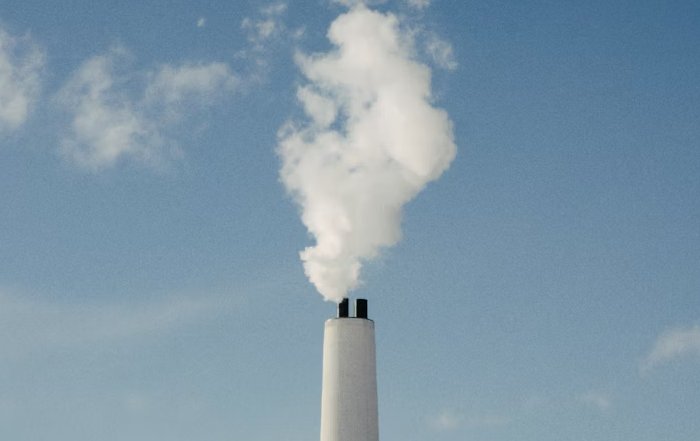
The Future of Fossil Fuel Industries: Transition, Risk, and Reinvention
A Defining Decade for Energy and the Interdependent Global Economy
The future of fossil fuel industries has moved from being a theoretical debate to a central strategic concern for executives, policymakers, investors, and workers across the United States and around the world, and for a business-focused outlet like usa-update.com, this topic sits at the intersection of nearly every key interest area its readers follow, from the evolving global economy and financial markets to jobs, technology, regulation, and international affairs. The traditional pillars of oil, natural gas, and coal are confronting structural changes driven by climate policy, technological innovation, shifting capital flows, and evolving consumer expectations, and while demand for fossil fuels remains significant, the trajectory of investment, policy, and innovation points toward a future in which hydrocarbons play a more constrained, more scrutinized, and more strategically selective role in the global energy mix.
In the United States, where energy has long been a foundation of economic strength and geopolitical influence, the fossil fuel sector is deeply intertwined with regional employment, industrial competitiveness, and national security, and the choices made by executives of ExxonMobil, Chevron, ConocoPhillips, Occidental Petroleum, and major utilities, as well as by policymakers in Washington and state capitals, will shape whether the transition is orderly and opportunity-rich or disruptive and destabilizing. Globally, the strategies of Saudi Aramco, BP, Shell, TotalEnergies, Petrobras, and CNPC, among others, will determine how capital is allocated between legacy fossil assets and new low-carbon businesses, influencing everything from energy prices and inflation to emerging market development and international trade flows.
For readers of usa-update.com, understanding the future of fossil fuel industries is no longer just an environmental or ethical question; it is a core business and investment issue that touches corporate strategy, portfolio risk, workforce planning, and consumer behavior, and as such, this article examines how the sector is evolving in 2026, what scenarios are most likely over the next two decades, and how leaders can navigate a landscape defined by both transition risk and new growth opportunities.
The Current State of Fossil Fuels in 2026
Despite the accelerating growth of renewables, fossil fuels still provide the majority of global primary energy, and according to recent analyses from organizations such as the International Energy Agency (IEA) and U.S. Energy Information Administration (EIA), oil, natural gas, and coal collectively account for roughly three-quarters of global energy consumption, with oil remaining dominant in transport, gas central in power and industry, and coal still significant in electricity generation in parts of Asia and other emerging markets. Readers can explore detailed data and projections through resources such as the IEA's energy outlooks and the EIA's international energy statistics.
In the United States, the shale revolution continues to underpin domestic production, particularly in the Permian Basin, Marcellus, and Bakken regions, and the country remains one of the world's largest producers of oil and natural gas, as well as a leading exporter of liquefied natural gas (LNG), which has implications for American trade balances, geopolitical leverage, and domestic business investment. At the same time, coal's share of U.S. power generation has declined significantly, displaced by natural gas and rapidly expanding wind and solar capacity, supported by federal incentives and state-level clean energy standards.
Globally, demand patterns are diverging by region and fuel type, with oil demand growth slowing in advanced economies but remaining resilient in parts of Asia and the Middle East, while natural gas is increasingly marketed as a "transition fuel" in power and industry, particularly where it replaces coal. Coal demand has plateaued or declined in many OECD economies but remains stubbornly high in some large emerging markets, although there are signs of inflection as solar and battery costs continue to fall and as international finance institutions redirect capital toward cleaner technologies, a trend documented by entities such as the World Bank and International Monetary Fund.
For a business audience, the key point is that while fossil fuel demand has not collapsed, the direction of travel is clear: growth is shifting geographically, competition from low-carbon alternatives is intensifying, and investors are increasingly pricing in long-term transition risk, all of which is reshaping capital allocation and strategic planning in the sector.
Policy, Regulation, and the Climate Imperative
In 2026, the regulatory environment for fossil fuel industries is more complex and consequential than at any point in recent history, and climate policy has moved from the margins to the mainstream of economic and financial regulation, particularly in the United States, Europe, and parts of Asia. The Paris Agreement and subsequent national commitments have created a framework within which governments are setting net-zero targets, mandating emissions reductions, and designing incentive structures that favor low-carbon technologies, and readers can explore these commitments through platforms such as the UNFCCC climate portal and the Climate Action Tracker.
In the United States, federal policy has combined a mix of regulatory tightening and market-based incentives, including emissions standards, methane regulations, and substantial tax credits for clean energy and carbon management technologies, which are directly relevant to how fossil fuel companies operate, invest, and report. Agencies such as the Environmental Protection Agency (EPA) and the Securities and Exchange Commission (SEC) have expanded requirements around emissions reporting, climate risk disclosure, and environmental compliance, with the SEC's climate-related disclosure rules influencing how publicly listed energy companies communicate with investors, and further information on these regulatory developments can be found via the SEC's official website and the EPA's climate and energy resources.
Europe has advanced even further with mechanisms such as the European Union Emissions Trading System (EU ETS) and the Carbon Border Adjustment Mechanism (CBAM), which effectively place a carbon price on imports of emissions-intensive goods, thereby influencing global supply chains, trade flows, and competitive dynamics for fossil fuel-dependent industries. Businesses engaging with European markets can review the evolving regulatory framework through the European Commission's climate policy pages.
For readers of usa-update.com focused on regulation, the key takeaway is that policy is steadily tightening around the carbon intensity of energy systems, even if the pace and consistency vary by jurisdiction, and this regulatory trend is pushing fossil fuel companies to internalize climate risk, invest in emissions reduction technologies, and reconsider the long-term viability of certain high-carbon assets, especially in regions where public and political pressure for climate action is strongest. Additional coverage of U.S. regulatory developments is regularly updated on usa-update.com's regulation section, which tracks how new rules affect businesses and consumers.
Technology, Innovation, and the Changing Energy Mix
Technological innovation is reshaping the competitive landscape for fossil fuel industries, not only by enabling more efficient extraction and processing of hydrocarbons but, more critically, by lowering the cost and improving the performance of alternatives such as solar, wind, energy storage, electric vehicles, and hydrogen. Over the past decade, the levelized cost of electricity from solar and wind has fallen dramatically, and in many regions, new renewable capacity is now cheaper than new coal or gas plants, a trend highlighted in analysis by organizations such as BloombergNEF and the National Renewable Energy Laboratory.
At the same time, advances in battery technology, grid management, and digital optimization are enabling higher penetrations of variable renewable energy in power systems, which reduces the need for fossil fuel peaker plants and alters the economics of gas-fired generation. The rapid growth of electric vehicles, supported by investments from automakers such as Tesla, Ford, General Motors, Volkswagen, and Toyota, is beginning to erode long-term oil demand growth in the transportation sector, particularly in North America, Europe, and China, and readers can explore EV deployment trends through resources such as the U.S. Department of Energy's Alternative Fuels Data Center.
Fossil fuel companies are not standing still; many are investing in technologies that aim to decarbonize their operations and products, including carbon capture, utilization, and storage (CCUS), low-carbon hydrogen, biofuels, and advanced petrochemical processes, and firms such as ExxonMobil, Shell, and TotalEnergies have announced large-scale CCUS and hydrogen projects, often in partnership with governments and industrial customers. These initiatives are designed not only to reduce operational emissions but also to position these companies as providers of low-carbon energy and services in a transitioning market, and more detailed information on CCUS and hydrogen innovation can be found via the Global CCS Institute and the Hydrogen Council.
For technology-focused readers of usa-update.com, particularly those following the technology and energy sections, the critical insight is that the boundary between "fossil fuel company" and "energy technology company" is becoming increasingly blurred, as traditional oil and gas firms experiment with new business models, digital transformation, and low-carbon solutions, while technology firms and utilities move into domains historically dominated by fossil fuels. This convergence is reshaping competitive dynamics, opening new partnership opportunities, and creating both winners and losers across the value chain.
Economic and Financial Implications for Global and U.S. Markets
The future of fossil fuel industries has profound implications for the global economy, financial markets, and corporate strategy, and for a business readership that monitors finance and economy news closely, understanding these dynamics is essential for informed decision-making. On one hand, fossil fuels remain a key driver of government revenues, export earnings, and capital investment in many countries, and disruptions in supply or price volatility can have immediate macroeconomic effects, influencing inflation, interest rates, and consumer spending, as seen in past oil price shocks and more recent energy market tightness.
On the other hand, the risk of "stranded assets" looms over long-lived, capital-intensive fossil fuel projects, particularly in coal and high-cost oil developments, where future demand may not justify current investment assumptions if climate policy tightens or low-carbon technologies continue to outperform expectations. Financial institutions, including major banks, insurers, and asset managers such as BlackRock, Vanguard, and State Street, are increasingly integrating climate risk and environmental, social, and governance (ESG) criteria into portfolio decisions, a trend supported by guidance from bodies such as the Task Force on Climate-related Financial Disclosures (TCFD) and the Network for Greening the Financial System.
Stock exchanges and regulators in the United States, Europe, and Asia are also raising expectations around climate disclosure and risk management, meaning that fossil fuel companies must not only manage operational performance but also demonstrate credible transition strategies to maintain investor confidence. Analysts and institutional investors are scrutinizing capital expenditure plans, scenario analyses, and governance structures to assess whether companies are prepared for a world moving toward net-zero emissions, and further insights on sustainable investing trends can be found through resources such as the PRI (Principles for Responsible Investment).
For U.S. businesses and investors who follow usa-update.com, this evolving financial landscape means that energy-related investment decisions, whether in upstream production, midstream infrastructure, or downstream processing and petrochemicals, must be evaluated not only on near-term cash flows but also on exposure to regulatory, technological, and market shifts that could erode asset value over time. The finance section of the site increasingly reflects these concerns, covering how institutional capital, private equity, and corporate treasuries are reallocating resources across the energy spectrum.
Energy Transition Timeline: 2026-2045
Strategic Pathways & Market Shifts in Fossil Fuels
• Oil remains dominant in transport; natural gas for power & industry
• Shale revolution continues in Permian, Marcellus, Bakken
• Federal & EU emissions regulations intensify
• EV growth erodes long-term oil demand
• Fossil fuel companies invest heavily in low-carbon hydrogen
• Grid storage technology matures; renewable penetration >30%
• Corporate net-zero commitments reshape supply chains
• Workforce transition programs scale up
• EVs dominate new vehicle sales in developed markets
• Carbon capture & storage (CCUS) moves to scale deployment
• Emerging markets face pressure to decarbonize faster
• Geopolitical leverage of OPEC begins to wane
• Hard-to-abate sectors (aviation, shipping) adopt sustainable fuels
• Remaining fossil assets focused on essential feedstocks & chemicals
• Global workforce fully reallocated to clean economy
• Energy companies unrecognizable from 2026 models
• 80%+ of electricity from renewables globally
• Circular economy & advanced materials dominant
• Climate finance redirected from extraction to restoration
• Energy abundance enables new economic models
Employment, Skills, and the Workforce Transition
The fossil fuel industries have long been major employers in the United States and globally, supporting high-wage jobs in engineering, construction, operations, logistics, and services, and in regions such as Texas, Louisiana, Oklahoma, North Dakota, Alberta, the North Sea, the Middle East, and parts of Africa and Asia, local economies are deeply dependent on oil, gas, and coal activity. As the energy transition accelerates, a central concern for policymakers, businesses, and communities is how to manage the employment impacts, retraining needs, and social implications of a gradual shift away from high-carbon activities toward cleaner energy systems.
Analyses by institutions such as the International Labour Organization (ILO) and World Economic Forum (WEF) suggest that while the net employment effect of the energy transition could be positive globally, with job creation in renewable energy, energy efficiency, and new industrial sectors offsetting fossil fuel job losses, the distribution of these jobs will not be even across regions, skill levels, or time horizons. Many fossil fuel workers possess technical skills that are transferable to low-carbon sectors, such as project management, mechanical and electrical engineering, and complex system operations, but targeted reskilling, credential recognition, and career support programs are essential to ensure a just transition, and readers can learn more about these workforce dynamics through resources such as the International Labour Organization's green jobs reports.
In the United States, workforce development initiatives at the federal, state, and local levels are increasingly focused on aligning training programs with emerging opportunities in clean energy, grid modernization, carbon management, and advanced manufacturing, and community colleges, vocational institutions, and universities are partnering with industry to create pathways for fossil fuel workers to transition into new roles without losing income or status. For those following jobs and employment trends on USA update, the key issue is how quickly and effectively these programs scale, and whether they can keep pace with the speed of structural change in energy markets.
From an employer perspective, companies operating in both fossil and low-carbon segments must navigate talent retention, change management, and corporate culture challenges, as younger workers increasingly prioritize sustainability and long-term career prospects when choosing employers, and organizations perceived as lagging in climate action may struggle to attract top engineers, technologists, and business professionals. This human capital dimension reinforces the strategic imperative for fossil fuel companies to articulate credible transition plans, not only for investors and regulators but also for current and prospective employees.
Geopolitical Shifts and International Dynamics
Fossil fuels have always been central to geopolitics, shaping alliances, conflicts, and trade relationships, and as the world moves through an energy transition, the geopolitical landscape is evolving in ways that are highly relevant to readers interested in international affairs and global news. Traditional energy powers such as the United States, Saudi Arabia, Russia, and Iran are reassessing their long-term strategies, while energy-importing regions like Europe and parts of Asia are accelerating efforts to reduce dependency on external fossil supplies by diversifying sources and investing in domestic renewables, storage, and hydrogen.
The role of OPEC+ in managing oil markets remains significant, but over the long term, the cartel's influence could be challenged by structural changes in demand, increased competition from low-cost producers, and the rise of alternative energy sources, and the OPEC Secretariat continues to publish reports that provide insight into how member states view these trends. At the same time, the growth of LNG trade has created new interdependencies, with the United States, Qatar, Australia, and others competing to supply gas to Europe and Asia, thereby intertwining energy security with broader diplomatic and trade agendas.
For emerging economies in Africa, South Asia, and Latin America, the future of fossil fuels is particularly complex, as many of these countries seek to expand energy access, industrialize, and leverage domestic hydrocarbon resources for development, while also facing pressure from international partners and financial institutions to pursue low-carbon growth pathways. Organizations such as the African Development Bank and Inter-American Development Bank are increasingly focused on financing sustainable infrastructure, while still grappling with the realities of existing fossil fuel assets and the need for reliable baseload power, and more on these regional strategies can be found on the African Development Bank's climate and energy page.
For U.S. businesses and policymakers, these international dynamics create both risks and opportunities, influencing export markets for LNG and energy technologies, shaping foreign investment decisions, and affecting the broader geopolitical environment in which American companies operate. The global reach of usa-update.com, with readers in North America, Europe, Asia, and beyond, underscores the importance of tracking how different regions navigate the balance between fossil fuels and clean energy, as these choices will influence trade, investment, and regulatory convergence over the coming decades.
Consumer Behavior, Lifestyle, and Demand-Side Change
While supply-side developments in fossil fuel industries often dominate headlines, the future of the sector is equally shaped by changes in consumer behavior, lifestyle preferences, and demand-side technologies, and for readers interested in lifestyle, consumer trends, and travel, the evolution of everyday energy use is increasingly visible. The rise of electric vehicles, the growth of home solar and battery systems, the adoption of heat pumps, and the spread of energy-efficient appliances are gradually reducing direct fossil fuel consumption in households and personal transport, particularly in urban and higher-income segments.
Corporate and institutional procurement decisions are also reshaping demand, as large companies such as Amazon, Microsoft, Google, and Apple commit to sourcing 100 percent renewable electricity and achieving net-zero emissions across their operations and supply chains, thereby influencing utilities, suppliers, and logistics providers. Initiatives such as the RE100 coalition, highlighted by organizations like The Climate Group, demonstrate how corporate commitments can accelerate clean energy deployment and indirectly pressure fossil fuel generators to adapt or retire.
In sectors such as aviation, shipping, and heavy industry, where direct electrification is more challenging, demand-side shifts are emerging more slowly but are still significant, with growing interest in sustainable aviation fuels, green shipping corridors, and low-carbon materials, supported by public-private partnerships and international agreements. These developments suggest that while fossil fuels will likely remain important in certain hard-to-abate sectors for longer, the long-term trajectory is toward reduced carbon intensity and increased competition from alternative fuels and technologies.
For consumers, the energy transition is increasingly experienced through product choices, mobility options, and price signals, and as clean technologies become more cost-competitive, convenience and performance rather than purely environmental motivations are driving adoption. Coverage on usa-update.com frequently highlights how these trends intersect with broader themes in entertainment, urban development, and digital innovation, illustrating that the future of fossil fuels is not just an industrial story but also a story about how people live, work, and travel.
Strategic Pathways for Fossil Fuel Companies
Fossil fuel companies are pursuing a range of strategic pathways in response to the pressures and opportunities of the energy transition, and these strategies can be broadly categorized, even though in practice many firms blend elements of each approach. Some companies, particularly those with low-cost reserves and strong state backing, are doubling down on core oil and gas businesses, betting that demand will remain robust in emerging markets and that they can outcompete higher-cost producers as climate policies tighten. Others, especially in Europe, are repositioning themselves as integrated energy companies, scaling investments in renewables, electric mobility, and energy services, while gradually reducing exposure to high-carbon assets.
A third group is focusing on decarbonizing fossil fuels rather than exiting them, investing heavily in CCUS, low-carbon hydrogen, and bioenergy with carbon capture, with the aim of preserving the role of hydrocarbons within a net-zero framework, and organizations such as Equinor, Eni, and Repsol have articulated strategies that blend upstream optimization with low-carbon growth. Industry associations and think tanks, including the International Association of Oil & Gas Producers (IOGP) and the Center for Strategic and International Studies, provide analyses of how these strategic models are evolving and what they imply for global energy systems.
For U.S. companies, the domestic policy environment, investor expectations, and competitive positioning in global markets all influence which pathway is most viable, and firms that operate primarily in the United States may face different pressures than those with significant European exposure or national oil companies with strong government mandates. From a governance perspective, boards of directors are increasingly expected to oversee climate strategy, set emissions reduction targets, and link executive compensation to progress on transition metrics, reflecting a broader shift in how corporate performance is evaluated.
Readers of usa-update.com who follow business and news coverage will recognize that the energy transition is not a binary choice between fossil fuels and renewables, but rather a complex rebalancing of portfolios, capabilities, and risk profiles, and companies that manage this rebalancing effectively, with transparency and discipline, are more likely to maintain profitability and relevance in a changing market.
Risks, Uncertainties, and Scenario Outlooks
Despite the clear direction of many trends, the future of fossil fuel industries remains characterized by significant uncertainties, and scenario analysis has become an essential tool for companies, investors, and policymakers seeking to navigate this complexity. Organizations such as the IEA and Shell's scenario team develop multiple pathways that explore how different combinations of policy ambition, technology costs, consumer behavior, and economic growth could influence energy demand and emissions trajectories.
Key uncertainties include the pace and consistency of global climate policy implementation, the speed of technological breakthroughs in areas such as long-duration storage, advanced nuclear, and carbon removal, and the resilience of public and political support for climate action in the face of economic or security shocks. Geopolitical events, such as conflicts affecting major producing regions or disruptions in critical supply chains for clean energy technologies, could also alter the trajectory of the transition, at least temporarily, by influencing energy prices and policy priorities.
For fossil fuel companies and their stakeholders, these uncertainties translate into a need for flexible, resilient strategies that can perform under a range of plausible futures, rather than relying on a single forecast. This includes stress-testing portfolios against low-demand or high-carbon-price scenarios, diversifying revenue streams, and maintaining balance sheet strength to manage potential volatility, and guidance on climate risk management and scenario planning is increasingly available from bodies such as the TCFD.
From the perspective of usa-update.com readers, particularly those involved in corporate planning, investment analysis, or policy design, the critical question is not whether the energy system will change, but how quickly and in which specific segments, regions, and value chains the most significant shifts will occur, and staying informed through reliable news, data, and expert commentary is essential for anticipating and responding to these developments.
Opportunities in Transition: Innovation, Investment, and New Markets
While much of the discussion around the future of fossil fuels focuses on risks and decline, the transition also presents substantial opportunities for innovation, investment, and new market creation, and businesses that recognize and act on these opportunities can generate significant value. For example, fossil fuel companies possess deep expertise in large-scale project management, subsurface engineering, and complex logistics, capabilities that are directly applicable to emerging sectors such as offshore wind, hydrogen, carbon storage, and geothermal energy.
Capital markets are increasingly rewarding companies that can demonstrate credible growth prospects in low-carbon segments, and private equity, infrastructure funds, and corporate venture capital arms are actively seeking investments in enabling technologies and services, from grid digitalization and energy management software to advanced materials and circular economy solutions. Platforms such as the U.S. Department of Energy's Office of Energy Efficiency and Renewable Energy highlight areas where public funding and private capital can work together to accelerate deployment and scale.
For regions and communities historically dependent on fossil fuel industries, proactive planning and investment can help reposition local economies as hubs for new energy and industrial activities, such as clean hydrogen clusters, carbon storage hubs, or advanced manufacturing for renewable components. Coverage in usa-update.com's events and energy sections increasingly showcases conferences, partnerships, and regional initiatives that are exploring these pathways, providing a platform for stakeholders to share best practices and build networks.
In this sense, the future of fossil fuel industries is not solely about managing decline but about enabling transformation, leveraging existing strengths to compete in a low-carbon economy, and recognizing that those who move early and strategically are more likely to capture the upside of the transition rather than simply absorbing its costs.
Conclusion: Navigating an Orderly, Opportunity-Rich Transition
The trajectory of the global energy system is unmistakably toward lower carbon intensity, greater electrification, and increased integration of digital technologies, and while fossil fuels will remain part of the energy mix for decades, their role, profitability, and social license are undergoing fundamental redefinition. For a business-oriented readership spanning interests from economy and finance to jobs, technology, and international affairs, the future of fossil fuel industries is not an abstract policy debate but a concrete strategic challenge that touches investment portfolios, corporate competitiveness, regional development, and individual career paths.
The central task for leaders in government, business, and finance is to ensure that the transition is as orderly, predictable, and opportunity-rich as possible, minimizing disruption while maximizing innovation and economic value creation, and this requires clear policy signals, robust regulatory frameworks, sustained investment in technology and infrastructure, and a strong focus on workforce and community resilience. It also demands transparency, accountability, and long-term thinking from fossil fuel companies themselves, which must demonstrate that they can be credible partners in building a sustainable energy future.
As readers continue to follow developments through usa-update.com, the site's role is to provide timely, trusted coverage of how the energy transition is unfolding across the United States and globally, highlighting both the challenges facing traditional fossil fuel industries and the emerging opportunities in new energy systems, and in doing so, it aims to support informed decision-making for executives, investors, policymakers, and citizens who recognize that the way the world manages the future of fossil fuels will shape not only economic outcomes but also environmental stability and societal well-being for decades to come.
