
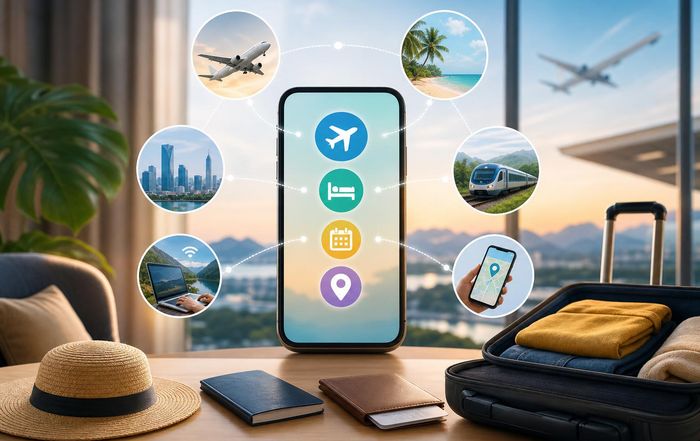
Technology Trends Making Travel More Flexible
Flexibility as the New Currency of Global Travel
Flexibility has become the defining expectation of travelers worldwide, and technology sits at the center of this transformation. As people follow shifting patterns in the economy, employment, lifestyle, and global mobility, it has become increasingly clear that travel is no longer a rigid, pre-packaged experience; instead, it is a fluid, data-driven journey shaped in real time by digital tools, intelligent platforms, and increasingly personalized services. From the United States and Canada to Europe, Asia, and Africa, business and leisure travelers alike now view flexibility not as a luxury but as a baseline requirement for any itinerary, and the companies that succeed in this environment are those that can anticipate change, respond to disruption, and build trust through transparent, user-centric technology.
This evolution did not occur in a vacuum. The interplay of economic volatility, new employment models, changing consumer expectations, and regulatory shifts has created a travel ecosystem where technology must simultaneously support resilience, safety, sustainability, and convenience. As the global economy remains sensitive to geopolitical tensions, energy prices, and inflation trends, travelers rely on digital platforms to compare options, hedge against uncertainty, and manage costs in real time. At the same time, employers experimenting with hybrid and remote work policies are rewriting the boundaries between business trips, leisure travel, and long-stay "work-from-anywhere" arrangements, which further increases the demand for adaptable bookings, secure connectivity, and seamless digital experiences.
Against this backdrop, usa-update.com has observed that the most impactful technology trends are those that enhance experience, demonstrate expertise, reinforce authoritativeness, and build trustworthiness across the travel value chain. The following sections explore how artificial intelligence, dynamic pricing, super apps, biometrics, blockchain, remote work infrastructure, sustainability technologies, and new regulatory frameworks are collectively making travel more flexible for individuals and organizations across North America and around the world.
AI, Personalization, and Real-Time Itinerary Management
Artificial intelligence has moved from the periphery of travel planning to its core, enabling flexible decision-making before, during, and after a trip. Where earlier generations of travelers relied on static search results and generic recommendations, modern AI-driven platforms now analyze vast datasets in real time, including fare fluctuations, historical demand, weather patterns, and even local events, to propose itineraries that adapt as circumstances change. Companies such as Google, Microsoft, and major online travel agencies have integrated machine learning models that continuously refine recommendations based on user behavior and stated preferences, allowing travelers to adjust dates, routes, and budgets with unprecedented ease. Travelers researching flight options can now use intelligent search tools to explore flexible dates and nearby airports, while learning how to maximize value through resources like Google Flights insights or by following economic analyses on flexible pricing trends.
For the audience of usa-update.com, this AI-driven personalization intersects directly with broader trends in the U.S. and global economy, where volatility in airfares and accommodation costs has made static planning less practical. Business travelers, in particular, benefit from AI tools that can automatically rebook flights in response to delays, propose alternative connections, and notify them of gate changes or disruptions via mobile apps. Platforms that integrate with corporate travel policies now evaluate not only cost but also traveler well-being, carbon impact, and compliance requirements, allowing organizations to balance financial discipline with employee satisfaction. Readers can explore how these developments relate to broader economic and business patterns in the dedicated economy coverage and business insights sections of usa-update.com, where travel is increasingly treated as a strategic component of workforce and financial planning rather than a simple operational expense.
AI's role extends beyond flights and hotels into destination guidance and on-the-ground flexibility. Intelligent assistants embedded in smartphones and wearables help travelers navigate unfamiliar cities, translate local languages, and receive context-aware suggestions for dining, entertainment, and cultural events. Platforms like Google Maps and Apple Maps now incorporate real-time transit data, congestion indicators, and safety alerts, which are particularly relevant for travelers navigating major hubs such as New York, London, Tokyo, or Singapore. By combining these capabilities with location-based services and user feedback, travel technology companies are creating a responsive environment where itineraries are living documents rather than fixed plans, and where the traveler maintains control even amid disruption.
Dynamic Pricing, Subscription Models, and Financial Flexibility
Financial flexibility has become a core concern for travelers facing fluctuating currencies, variable fuel costs, and shifting demand patterns. Dynamic pricing algorithms, once primarily used by airlines and hotels to optimize revenue, are now being harnessed to give travelers more options to manage risk and budget. Airlines across the United States, Europe, and Asia increasingly offer fare families and add-on services that can be customized at various stages of the booking process, allowing travelers to pay only for what they need while retaining the option to adjust dates or routes. Resources such as IATA's analysis of airline economics help industry observers understand how these models affect both carrier profitability and consumer choice, while financial outlets like the Financial Times provide broader context on how macroeconomic trends influence ticket prices and travel demand.
Subscription and membership models are another important trend enhancing flexibility. Several airlines and hotel groups have experimented with monthly or annual subscription services that offer a set number of flights, discounted fares, or flexible cancellation policies, catering to frequent travelers who value predictability and control. In North America, flexible accommodation platforms have introduced "work and travel" subscriptions that combine co-working spaces with lodging options, enabling professionals to move between cities or even continents with minimal friction. This aligns closely with the employment and jobs coverage found on usa-update.com, particularly in the jobs and employment sections, where readers can track how new work patterns drive demand for these innovative travel products.
Fintech innovations are further expanding the toolkit for managing travel expenses. Digital wallets, "buy now, pay later" services, and multi-currency accounts have simplified cross-border transactions and made it easier for travelers to budget for trips over time. Platforms such as Wise and Revolut offer transparent exchange rates and low-fee international transfers, allowing both leisure and business travelers to reduce the cost of currency conversion and manage funds across the United States, Europe, and Asia. Meanwhile, traditional financial institutions, highlighted in business media like The Wall Street Journal, continue to refine travel-focused credit products that combine rewards, insurance coverage, and enhanced dispute resolution, which are critical elements of trust in a digital-first travel environment. Readers seeking to connect these financial tools with broader trends in consumer behavior can turn to usa-update.com's dedicated finance and consumer coverage, where the interplay between spending patterns, credit conditions, and travel demand is increasingly visible.
Flexible Travel Tech Navigator
Explore how AI, dynamic pricing, super apps, biometrics, blockchain, remote work tools, sustainability tech, and privacy systems are reshaping travel flexibility.
AI Planning
AI turns itineraries into living plans by tracking fares, weather, local events, disruptions, routes, budgets, and traveler preferences in real time.
- Flexible dates and nearby airport recommendations
- Automatic delay, gate, and rebooking support
- Context-aware maps, translation, and local guidance
Decision prompt: what matters most?
Select a priority to reveal the travel technology that best supports it.
Super Apps, Ecosystems, and Seamless Booking Experiences
In many parts of Asia and, increasingly, in Europe and North America, "super apps" have emerged as central hubs that integrate multiple aspects of the travel journey into a single interface. These platforms, often operated by major technology and mobility companies, allow users to book flights, trains, hotels, ride-hailing services, event tickets, and even travel insurance within a unified ecosystem. Examples in markets such as Southeast Asia and China demonstrate how super apps can simplify planning and provide flexibility by consolidating payments, loyalty programs, and customer support. Observers can study this phenomenon through regional analyses on platforms like McKinsey & Company or Deloitte, which frequently examine the strategic implications of ecosystem-based business models for travel and mobility providers.
For the U.S. audience of usa-update.com, super app functionality is emerging in a more modular fashion, as major players integrate travel services into broader digital wallets, navigation apps, and entertainment platforms. Ride-hailing companies such as Uber and Lyft have expanded into airport transfers, intercity rides, and even partnerships with public transit agencies, creating multimodal options that can be coordinated from a single app. At the same time, large online travel agencies and meta-search engines are moving beyond simple price comparison to offer end-to-end trip management, including in-app boarding passes, real-time alerts, and integrated customer service. This convergence reflects a broader trend toward platformization across the digital economy, where ecosystems rather than standalone products define competitive advantage.
The implications for flexibility are significant. When travelers can seamlessly switch between transportation modes, adjust hotel dates, or add local experiences without juggling multiple logins and payment methods, they are better equipped to respond to unexpected changes such as flight cancellations, weather disruptions, or shifting business priorities. This is particularly important for international travelers moving between regions with different regulatory regimes and payment infrastructures, such as the European Union, the United Kingdom, and the United States. Readers interested in how these developments intersect with global business and regulatory frameworks can explore usa-update.com's international and regulation sections, where cross-border digital commerce and data governance are recurring themes that directly affect the future of travel technology.
Biometrics, Digital Identity, and Frictionless Border Crossings
Biometric technologies and digital identity frameworks have become central to efforts to make travel both more flexible and more secure, particularly at airports and international borders. Facial recognition, fingerprint scanning, and iris recognition systems are now widely deployed in major hubs across North America, Europe, and Asia, enabling automated check-in, bag drop, security screening, and boarding processes that reduce queues and improve predictability. Organizations such as the Transportation Security Administration (TSA) in the United States and European Union border agencies have invested heavily in these capabilities, often in collaboration with technology providers and airlines, to create "trusted traveler" programs that allow pre-vetted passengers to move more quickly through checkpoints. Interested readers can follow policy and implementation updates through resources like TSA PreCheck information or broader aviation security analyses available from RAND Corporation.
Digital identity initiatives are moving beyond individual programs toward interoperable frameworks that could eventually allow travelers to carry a secure, reusable identity across airlines, airports, and even countries. Initiatives such as the International Civil Aviation Organization (ICAO)'s work on digital travel credentials and various national digital ID schemes in Europe and Asia aim to create standards that balance convenience with privacy and data protection. The World Economic Forum and other global organizations have published guidance on digital identity and cross-border mobility, which can be explored through their public resources at weforum.org. For travelers, the practical outcome is a more predictable and flexible journey, with reduced reliance on physical documents and a lower risk of disruption due to lost passports or boarding passes.
However, the deployment of biometrics and digital identity also raises complex questions about surveillance, civil liberties, and data governance. Regulators in the European Union, particularly under the General Data Protection Regulation (GDPR), and authorities in countries such as Canada, Australia, and Japan are closely scrutinizing how biometric data is collected, stored, and shared. Industry stakeholders must demonstrate not only technical expertise but also ethical leadership and transparency to maintain public trust. This nexus of technology, security, and regulation is of particular interest to the usa-update.com readership, as it reflects broader debates about digital rights and government oversight that appear regularly in the platform's news and technology coverage.
Blockchain, Smart Contracts, and Trust in Transactions
Blockchain technology, while no longer surrounded by the speculative fervor of its early years, has quietly matured into a tool that can enhance flexibility and trust in travel transactions. By enabling decentralized, tamper-resistant records and programmable "smart contracts," blockchain can support use cases such as verifiable vaccination or health records, interoperable loyalty programs, and automated refunds or compensation when service obligations are not met. Industry groups and consultancies, including Accenture and PwC, have examined the potential of blockchain in travel and hospitality, with public reports available through platforms like accenture.com and pwc.com, highlighting both the opportunities and the challenges of adoption.
One of the most promising applications lies in streamlining complex, multi-party transactions that are common in international travel. When a traveler books a multi-leg journey involving airlines, rail operators, hotels, and local transport providers across different jurisdictions, disputes over delays, cancellations, or service failures can be difficult to resolve. Smart contracts could, in theory, codify the terms of service and automatically trigger compensation or rebooking when predefined conditions are met, reducing friction and enhancing transparency. This level of automation can make travel more flexible by reducing the administrative burden on both travelers and service providers, particularly in regions with fragmented regulatory frameworks such as parts of Africa and South America.
Another area where blockchain may influence flexibility is in loyalty and rewards. Traditional loyalty programs often lock value within specific airlines or hotel chains and impose complex rules on redemption. Tokenized loyalty systems could enable travelers to convert points across brands or even trade them in open marketplaces, encouraging more dynamic and personalized travel behavior. However, this vision depends on regulatory clarity around digital assets and consumer protection, areas where authorities in the United States, the European Union, and Asia-Pacific continue to refine their positions. Readers of usa-update.com who follow financial regulation and digital assets will recognize that the same issues affecting cryptocurrencies and fintech innovation also shape the future of blockchain-enabled travel products, underscoring the importance of informed, cross-sector analysis.
Remote Work, Work-from-Anywhere, and the Blurring of Travel Categories
The rise of remote and hybrid work has arguably been one of the most transformative forces in making travel more flexible, particularly for knowledge workers in North America, Europe, and parts of Asia-Pacific. As companies across the United States, Canada, the United Kingdom, Germany, and other advanced economies adapted to new employment models, a significant portion of the workforce gained the ability to work from locations other than their primary residence. This shift gave rise to "work-from-anywhere" arrangements, extended stays, and the blending of business and leisure travel into what the industry has termed "bleisure." Platforms such as LinkedIn and labor market research from organizations like OECD have documented how these patterns have reshaped job markets, productivity debates, and urban-rural dynamics.
For the readers of usa-update.com, who track developments in jobs, employment, and lifestyle, this blurring of categories has direct implications for travel planning and technology. Accommodation providers, from global hotel chains to short-term rental platforms, have adapted by offering long-stay discounts, co-working facilities, and enhanced connectivity guarantees. Cities in Europe, Asia, and Latin America have introduced digital nomad visas and remote work incentives to attract mobile professionals, often highlighting their quality of life, cost competitiveness, and digital infrastructure. Countries such as Portugal, Estonia, Thailand, and Costa Rica have become prominent examples, and their policies are often analyzed in international economic and tourism reports accessible through sources like UNWTO.
Technology plays a central role in enabling this flexibility. Cloud-based collaboration tools, secure virtual private networks, and high-speed broadband connectivity allow workers to remain productive from hotel rooms, co-working spaces, or rented apartments across multiple time zones. Companies such as Zoom, Slack, and Microsoft continue to refine their platforms to support asynchronous communication and distributed teams, which in turn makes it easier for employees to extend trips, relocate temporarily, or combine travel with ongoing work commitments. At the same time, employers must navigate complex tax, labor, and data protection regulations when staff work from different jurisdictions, making expert guidance essential. usa-update.com's coverage of employment and lifestyle trends provides a valuable lens through which to understand how these legal and cultural shifts influence both individual mobility and corporate travel policies.
Sustainable Travel Technologies and Environmentally Conscious Flexibility
As climate concerns intensify and energy markets remain volatile, sustainability has become an integral dimension of travel flexibility. Travelers and corporations increasingly seek options that align with environmental goals while preserving the ability to adapt itineraries. Technological innovation in aviation, ground transport, and energy systems is central to this balancing act, with organizations such as the International Energy Agency (IEA) and World Resources Institute (WRI) providing detailed analysis on decarbonizing transport and sustainable mobility. These efforts intersect directly with the energy and regulation themes that usa-update.com covers in its dedicated energy and regulation sections, where readers can examine how policy frameworks and technological progress shape the pace of change.
Airlines and aircraft manufacturers are investing in technologies such as sustainable aviation fuels (SAF), more efficient airframes, and, in the longer term, electric or hydrogen-powered aircraft. While these innovations are still emerging, digital tools already allow travelers to compare the carbon footprint of different routes and carriers, enabling more informed choices. Major booking platforms and some national rail operators in Europe provide emissions calculators and highlight lower-carbon alternatives, such as high-speed rail between cities like Paris, London, Amsterdam, and Frankfurt. Reports from organizations like Transport & Environment and ICCT help contextualize these options and assess their real impact, giving business leaders and consumers the information needed to align travel policies with climate objectives.
At the same time, sustainable travel is not solely about emissions; it also encompasses overtourism, local community impacts, and resource use. Technology can enhance flexibility by helping travelers discover less crowded destinations, travel during off-peak periods, and support local businesses in more equitable ways. Destination management organizations and cities are experimenting with real-time visitor management systems, digital passes, and dynamic pricing for attractions to distribute demand more evenly. Platforms providing local event and cultural information, which readers can explore through usa-update.com's events and entertainment pages, allow travelers to tailor experiences that are both enjoyable and responsible. As sustainability considerations become more deeply embedded in corporate ESG strategies and consumer choices, the ability to flexibly adjust travel plans in response to environmental and social signals will become a hallmark of trusted travel brands.
Data Security, Privacy, and the Foundations of Trust
Underlying all these technological trends is a fundamental requirement: trust. Travelers are increasingly aware that the convenience and flexibility offered by digital platforms depend on the collection and processing of vast amounts of personal and behavioral data, from location and biometrics to payment information and travel histories. Ensuring that this data is handled securely and ethically is essential to maintaining confidence in the systems that make flexible travel possible. Cybersecurity incidents affecting airlines, hotel chains, and booking platforms over the past decade have underscored the risks, prompting regulators and industry bodies to strengthen standards and enforcement. Organizations such as NIST in the United States and the European Union Agency for Cybersecurity (ENISA) provide guidance and frameworks that travel companies can use to enhance resilience, which can be explored through resources like nist.gov and enisa.europa.eu.
For the readership of usa-update.com, which spans business leaders, professionals, and informed consumers, the intersection of data security, privacy law, and travel technology is a critical area of concern. Regulations such as GDPR in Europe, the California Consumer Privacy Act (CCPA) in the United States, and emerging data protection regimes in countries like Brazil, South Africa, and India define how travel companies must collect consent, store data, and respond to breaches. Compliance is not merely a legal obligation but a competitive differentiator; companies that demonstrate robust security practices and transparent privacy policies can position themselves as more trustworthy partners in an environment where travelers are asked to share increasingly sensitive information. This is especially true for technologies like biometrics, digital identity, and health-related credentials, where misuse or breaches could have serious consequences.
Trust also extends to the reliability of information and the integrity of algorithms that shape travel choices. As AI systems play a larger role in recommending destinations, pricing options, and even security risk assessments, concerns about bias, opacity, and manipulation become more pressing. Industry leaders and regulators are beginning to articulate principles for responsible AI in travel and mobility, drawing on broader discussions in technology policy forums and academic research. Institutions such as MIT and Stanford University contribute to this discourse through their work on AI ethics and human-centered design, which can be explored via their public-facing research portals at mit.edu and stanford.edu. For platforms like usa-update.com, which aim to provide authoritative and trustworthy coverage, engaging with these debates and highlighting best practices is essential to helping readers navigate the evolving landscape of travel technology.
Regional Perspectives: United States, Europe, Asia, and Beyond
While many of the technology trends described above are global in scope, their adoption and impact vary significantly by region, reflecting differences in infrastructure, regulation, consumer behavior, and economic conditions. In the United States and Canada, a relatively fragmented transportation system and strong market competition have led to rapid innovation in areas such as ride-hailing, short-term rentals, and loyalty programs, while also generating debates about regulation, labor rights, and housing affordability. Readers can follow these dynamics through usa-update.com's news and consumer coverage, which frequently highlights the intersection of technology, policy, and everyday life.
In Europe, a more integrated rail network, strong data protection laws, and ambitious climate targets have shaped a distinct approach to flexible travel. High-speed rail between major cities in France, Germany, Spain, Italy, and the Netherlands offers a lower-carbon alternative to short-haul flights, and digital platforms increasingly allow travelers to combine rail, air, and local transit in a single booking. The European Union's emphasis on passenger rights and consumer protection creates a regulatory environment where technology must support robust refund and rebooking mechanisms, reinforcing flexibility as a legal expectation rather than a discretionary service. Organizations such as European Commission and European Travel Commission provide public information on these initiatives at ec.europa.eu and etc-corporate.org.
In Asia, rapid urbanization, strong mobile-first consumer behavior, and the rise of regional super apps have produced some of the most advanced examples of integrated, flexible travel ecosystems. Cities like Singapore, Tokyo, Seoul, and Bangkok are at the forefront of smart mobility deployments, combining contactless payments, real-time transit information, and multimodal planning tools. At the same time, emerging markets in Southeast Asia, India, and parts of Africa are leapfrogging legacy systems by adopting mobile payments and digital identity solutions as default infrastructure, often supported by international development organizations and private investors. Reports from the World Bank and Asian Development Bank, accessible through worldbank.org and adb.org, offer valuable insight into how these regions are building flexible, inclusive travel systems that cater to both local residents and international visitors.
South America, Africa, and the Middle East present a diverse picture, with major hubs such as São Paulo, Johannesburg, Nairobi, Dubai, and Doha investing in airport modernization, digital services, and tourism infrastructure. While challenges remain in areas such as connectivity, affordability, and regulatory harmonization, technology is often used to overcome structural barriers and extend travel opportunities to broader segments of the population. For global travelers and multinational businesses, understanding these regional nuances is essential to designing travel policies and experiences that are both flexible and culturally attuned, an area where usa-update.com's international reporting provides ongoing context.
The Role of Media and Information Platforms in Shaping Flexible Travel
As technology reshapes the mechanics of travel, media and information platforms play a crucial role in shaping perception, expectations, and decision-making. Outlets like usa-update.com act as intermediaries between travelers, businesses, policymakers, and technology providers, curating information that can either enable or constrain flexibility depending on its accuracy, timeliness, and depth. In a landscape saturated with real-time updates, social media posts, and algorithmically generated recommendations, the value of authoritative, well-researched analysis becomes more apparent. By connecting developments in travel technology to broader themes in the economy, jobs, regulation, energy, and lifestyle, usa-update.com helps readers see travel not as an isolated activity but as an integral part of modern life and business strategy.
Trusted information is particularly important during periods of disruption, such as extreme weather events, geopolitical tensions, or public health emergencies, when travelers must make rapid decisions based on incomplete data. Media platforms that maintain high standards of verification and provide clear, actionable guidance can significantly enhance travelers' ability to adapt plans and mitigate risk. At the same time, they can hold companies and regulators accountable by scrutinizing how technology is deployed, how data is managed, and how consumer rights are protected. As travel becomes more flexible, the informational environment must also become more reliable, bridging the gap between cutting-edge innovation and practical, everyday decision-making.
For business leaders and policy professionals, platforms like usa-update.com offer a vantage point from which to monitor emerging trends, benchmark practices across regions, and anticipate the implications of new technologies for corporate strategy and public policy. Whether examining how AI-driven pricing affects corporate travel budgets, how digital identity frameworks intersect with immigration law, or how sustainable mobility initiatives influence tourism demand, such analysis supports more agile and informed decision-making, reinforcing flexibility not just at the level of individual trips but across entire organizations and sectors.
Conclusion: Building a Future of Resilient, Human-Centered, Hospitable Travel
The technology trends transforming travel today share a common thread: they seek to make movement across cities, countries, and continents more adaptable, responsive, and aligned with individual and organizational needs. Artificial intelligence, dynamic pricing, super apps, biometrics, blockchain, remote work infrastructure, and sustainability technologies are not isolated innovations; they are interlocking components of a new travel ecosystem in which flexibility is both a technical capability and a strategic imperative. For travelers in the United States, North America, and around the world, this ecosystem offers the promise of greater choice, convenience, and control, but it also demands a higher level of digital literacy and trust in the institutions that manage data and infrastructure.
For businesses, policymakers, and service providers, success in this environment will depend on their ability to demonstrate expertise, authoritativeness, and trustworthiness while remaining responsive to evolving consumer expectations and regulatory requirements. They must invest not only in cutting-edge technologies but also in robust security, transparent governance, and inclusive design that recognizes the diverse needs of travelers across regions and demographics. As the lines between travel, work, lifestyle, and entertainment continue to blur, organizations that treat travel as a strategic domain-integrated with finance, employment, regulation, and energy considerations-will be better positioned to navigate uncertainty and seize opportunity.
Within this evolving landscape, usa-update.com is positioned to serve as a trusted guide, connecting its audience to the latest developments in travel technology while situating them within the broader currents shaping the global economy and society. By providing in-depth reporting and analysis across its economy, business, technology, travel, and related sections, the platform helps readers understand not only where and how they can travel more flexibly, but also what these changes mean for their careers, investments, communities, and the planet. As new innovations emerge, the central challenge will be to ensure that flexibility in travel serves human needs, strengthens resilience, and upholds the values of privacy, fairness, and sustainability that underpin a trustworthy safe and caring future.
