
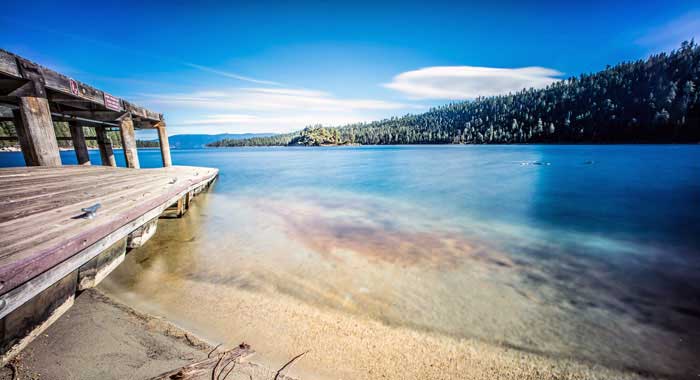
Lake Tahoe 2026: Scenic Drives, Camping, and the Business of Sustainable Adventure
Lake Tahoe, straddling the border of California and Nevada, stands in 2026 as one of the most strategically important outdoor destinations in North America, not only for leisure travelers but also for policymakers, investors, and business leaders tracking the evolution of sustainable tourism in the United States. For the audience of usa-update.com, Lake Tahoe offers a compelling case study at the intersection of natural beauty, regional economic growth, infrastructure investment, climate adaptation, and lifestyle trends that increasingly shape decisions about work, travel, and long-term residence. The lake's legendary clarity, encircled by the Sierra Nevada mountains, continues to attract millions of visitors annually, yet the story of Tahoe in 2026 is no longer just about scenic vistas; it is about how a mature destination reinvents itself in an era defined by environmental constraints, digital transformation, and shifting consumer expectations.
As national debates intensify around housing, climate resilience, and the future of outdoor recreation, Lake Tahoe has emerged as a bellwether for how U.S. regions can balance economic opportunity with ecological limits. The basin's tourism economy, closely tied to broader U.S. economy and business trends, now reflects a sophisticated blend of traditional hospitality, technology-enabled services, and rigorous regulatory oversight. For usa-update.com readers who monitor developments in jobs, technology, regulation, energy, and consumer behavior, the Tahoe region provides a real-world laboratory where policy decisions, infrastructure investments, and visitor behavior are visibly reshaping a world-class destination.
Circling the Lake: Scenic Driving in a Connected, Climate-Conscious Era
The 72-mile drive around Lake Tahoe remains one of the signature experiences in North American tourism, yet by 2026 it has evolved from a simple sightseeing loop into a carefully managed, data-informed corridor that reflects both the opportunities and pressures of high-volume visitation. The traditional routes-California State Route 89, U.S. Highway 50, and Nevada State Route 28-still deliver the iconic juxtaposition of deep blue water, granite cliffs, and forested slopes, but drivers now navigate with the assistance of real-time traffic analytics, weather alerts, and wildfire monitoring systems that have become standard tools in the American West.
On the northern shore, Tahoe City and Kings Beach continue to serve as gateways for families and professionals seeking a balanced experience of recreation and community. Tahoe City's proximity to the Truckee River outlet and trail networks has made it an attractive base for visitors who want to combine lakeside leisure with easy access to nearby Truckee, where a growing ecosystem of outdoor brands, co-working spaces, and hospitality ventures reflects how mountain towns have adapted to the remote work revolution. Kings Beach, with its expansive sandy shoreline and improved public facilities, illustrates how targeted infrastructure investments-enhanced parking management, pedestrian-friendly design, and upgraded water-quality systems-can simultaneously improve visitor experience and environmental outcomes. Those tracking broader U.S. infrastructure and tourism policy can compare Tahoe's approach with national best practices highlighted by organizations such as the U.S. Travel Association and the National Park Service.
The eastern shore in Nevada offers a different character, one that in 2026 has become a showcase for both rugged natural beauty and carefully calibrated visitor management. Sand Harbor State Park, managed as part of Lake Tahoe Nevada State Park, remains famous for its turquoise coves and sculpted boulders, but capacity controls, timed-entry systems, and expanded shuttle services now structure the visitor flow, in line with broader trends in destination management evident at places like Yosemite National Park and Zion National Park. Further south, the Spooner Lake area has been transformed into a sophisticated trailhead hub for the Lake Tahoe Nevada State Park Backcountry and the Tahoe Rim Trail, with improved trail connectivity, interpretive centers, and backcountry access regulations that reflect lessons learned from overuse in other iconic U.S. landscapes.
On the western shore in California, the drive past D.L. Bliss State Park and into Emerald Bay State Park remains a defining visual moment for first-time and repeat visitors alike. Emerald Bay, with its distinctive Fannette Island and the historic Vikingsholm estate, has become a focal point for discussions about carrying capacity, shoreline protection, and the balance between boat-based access and terrestrial visitation. The state's investment in trail improvements, erosion control, and interpretive programming mirrors broader California environmental initiatives that can be tracked through resources such as the California Natural Resources Agency and Visit California.
The southern shore, anchored by South Lake Tahoe and the Nevada-side resort community of Stateline, continues to represent the most urbanized segment of the lake, where casinos, high-rise hotels, and large-scale entertainment venues sit within minutes of trailheads, beaches, and marinas. In 2026, this corridor showcases how destination regions are rethinking mobility: expanded electric shuttle networks, microtransit pilots, and integrated ticketing systems have begun to reduce private vehicle dependence, complementing the rise of electric vehicles supported by an expanded network of public and private charging stations. These mobility changes align with national policy signals from agencies such as the U.S. Department of Transportation and the U.S. Department of Energy, which emphasize low-carbon transport and resilience in mountain and wildfire-prone regions.
Camping in Tahoe: From Traditional Tents to High-Value, Low-Impact Stays
Camping remains central to the Lake Tahoe experience, but the definition of camping has expanded significantly by 2026. For usa-update.com readers watching shifts in U.S. travel, consumer, and lifestyle preferences, Tahoe's camping ecosystem illustrates how demand has moved toward a spectrum that ranges from minimalist backcountry camping to premium "glamping" products, all under increasing scrutiny for environmental performance.
State park campgrounds such as D.L. Bliss State Park, Emerald Bay State Park, and Sugar Pine Point State Park continue to draw visitors who value proximity to the shoreline and immediate access to trails like the Rubicon Trail and the Eagle Lake Trail. These campgrounds have been upgraded with improved reservation systems, digital self-check-in options, and more robust interpretive programming, emphasizing fire safety, wildlife interaction protocols, and Leave No Trace ethics. The Lake Tahoe Nevada State Park units, including backcountry sites accessible from Spooner Lake and Marlette Lake, have adopted stricter permitting and capacity limits to protect sensitive alpine ecosystems, paralleling policy directions visible in other high-demand backcountry areas documented by the U.S. Forest Service.
Private and RV-focused campgrounds around South Lake Tahoe, Stateline, and the North Shore have also diversified their offerings. By 2026, many sites advertise reliable high-speed connectivity, EV charging, and solar-powered amenities, catering to remote workers and digital nomads who increasingly blend multi-week stays with professional obligations. This convergence of work and travel is part of a broader labor-market realignment that usa-update.com covers in its employment and jobs reporting, where flexible work arrangements and "work-from-anywhere" policies are reshaping the geography of white-collar life. Tahoe's campgrounds, once primarily weekend destinations, now host a more stable flux of long-stay guests who contribute to local economies year-round.
At the other end of the spectrum, dispersed and backcountry camping in the Lake Tahoe Basin Management Unit, managed by the U.S. Forest Service, remains an important component of the Tahoe experience, but one under tighter regulatory oversight in response to wildfire risk, human waste impacts, and growing visitation. Fire restrictions, mandatory use of bear-resistant food storage, and stricter enforcement of camping setbacks from water sources reflect a broader national shift toward risk-aware recreation policy, similar to measures seen in other western regions chronicled by outlets such as Outside Online and public agencies like Ready.gov.
Environmental Stewardship and the "Keep Tahoe Blue" Economy
Lake Tahoe's environmental story has long been symbolized by the slogan "Keep Tahoe Blue," popularized by The League to Save Lake Tahoe, but in 2026 that slogan represents not only a conservation ethos but also a central pillar of the region's economic strategy. The lake's famed clarity-monitored by research institutions such as the UC Davis Tahoe Environmental Research Center-has become a key performance indicator for regional policy, influencing land-use decisions, transportation planning, stormwater infrastructure, and tourism management.
Climate change has intensified the stakes. Warmer winters, shifting snowpack patterns, and longer wildfire seasons have placed new pressures on Tahoe's forests, water quality, and recreation calendar. Smoke intrusions from regional fires, variable ski seasons, and episodic algal blooms now factor into business forecasts, insurance calculations, and government investment priorities. These challenges are part of the broader climate and energy transition that usa-update.com follows in its energy and regulation coverage, where Lake Tahoe often appears as an illustrative example of climate risk intersecting with high-value recreation assets.
In response, public agencies such as the Tahoe Regional Planning Agency (TRPA) and multi-jurisdictional partnerships have accelerated implementation of best practices in watershed management, including advanced stormwater filtration systems, shoreline restoration projects, and stricter controls on erosion from roadways and construction sites. These initiatives draw on research from institutions such as UC Davis and guidance from national bodies like the U.S. Environmental Protection Agency, demonstrating how scientific expertise informs regulatory frameworks in tourism-dependent regions.
Private-sector actors have increasingly aligned their branding and operations with this environmental agenda. Resorts market their use of renewable energy, water-efficient landscaping, and sustainable building materials; marinas promote clean boating practices; and tour operators highlight low-impact itineraries and partnerships with conservation organizations. This convergence of sustainability and brand value mirrors wider trends in ESG (environmental, social, and governance) investing, as tracked by outlets such as the Harvard Business Review and the World Economic Forum, and underscores how environmental stewardship has become a competitive necessity rather than an optional virtue.
🏔️ Lake Tahoe 2026 Experience Guide
Your Interactive Planning Companion
72-Mile Scenic Loop Around Lake Tahoe
🌅 North Shore
Tahoe City and Kings Beach offer family-friendly gateways with trail networks, sandy beaches, and improved public facilities. Close proximity to Truckee's outdoor brands and co-working spaces.
⛰️ East Shore (Nevada)
Sand Harbor State Park features turquoise coves with timed-entry systems. Spooner Lake serves as a sophisticated trailhead hub for backcountry access and the Tahoe Rim Trail.
🏞️ West Shore (California)
D.L. Bliss and Emerald Bay State Parks deliver iconic views of Fannette Island and Vikingsholm estate. Trail improvements focus on erosion control and carrying capacity management.
🎰 South Shore
South Lake Tahoe and Stateline combine casinos, hotels, and entertainment with beaches and marinas. Expanded electric shuttle networks and microtransit reduce vehicle dependence.
Economic and Cultural Significance: Tahoe as a Regional Growth Engine
Tourism around Lake Tahoe continues to generate billions of dollars annually, supporting tens of thousands of jobs in California and Nevada and contributing meaningfully to regional tax bases. The hospitality sector, outdoor recreation industry, and real estate market collectively form a complex economic ecosystem that is closely monitored by state and local governments, investors, and community organizations. For usa-update.com readers who follow finance and news, Tahoe's performance serves as a barometer for broader trends in discretionary spending, second-home investment, and outdoor recreation demand across North America.
The cultural dimension of Tahoe's economy remains equally important. The Washoe Tribe, whose ancestral lands encompass the Tahoe Basin, continues to play a growing role in shaping interpretive narratives, land stewardship initiatives, and cultural programming. Tribal perspectives on forest management, water protection, and sacred sites are increasingly incorporated into planning processes and visitor education, aligning with broader national efforts to recognize Indigenous knowledge in environmental policy, as highlighted by organizations such as the Native American Rights Fund and the Bureau of Indian Affairs.
Historic estates like Vikingsholm in Emerald Bay and the Hellman-Ehrman Mansion at Sugar Pine Point State Park offer visitors insight into the early 20th-century development of Tahoe as a retreat for industrial and financial elites, linking the lake's story to wider narratives of American wealth, mobility, and landscape design. Meanwhile, contemporary cultural offerings such as the Lake Tahoe Shakespeare Festival at Sand Harbor, music festivals in South Lake Tahoe, and art events in Truckee and Tahoe City illustrate how creative industries add value to the regional brand, blending entertainment with outdoor appeal. These dynamics align with national trends in experiential tourism and cultural consumption that usa-update.com explores in its entertainment and events sections.
Safety, Seasons, and the New Realities of Mountain Mobility
Driving and recreating around Lake Tahoe in 2026 requires a more sophisticated understanding of risk and seasonality than in previous decades. Winter storms, rapid freeze-thaw cycles, and wildfire-related closures have made real-time information and preparedness central to trip planning. Agencies such as Caltrans and the Nevada Department of Transportation provide up-to-the-minute updates through platforms like Caltrans QuickMap and mobile alerts, enabling drivers to anticipate chain controls, road closures, and congestion. This integration of digital tools into everyday travel reflects the broader digitization of mobility and infrastructure management across the United States, a theme that intersects with usa-update.com's coverage of technology and business.
Seasonal patterns continue to shape the Tahoe economy. Summer remains the peak period for lake-based recreation, camping, and scenic driving, while winter anchors the ski and snowboard market at resorts such as Heavenly Mountain Resort, Palisades Tahoe, and Northstar California. However, shoulder seasons-spring and autumn-have gained importance as destinations seek to smooth demand, reduce peak-season strain on infrastructure, and attract visitors who prefer quieter experiences and more moderate pricing. This trend toward year-round visitation supports more stable employment and business revenue, aligning with national efforts to diversify tourism calendars in regions from Colorado to New England, as documented by tourism boards like Travel Nevada and Visit California.
Safety in the backcountry has also become more data-driven. Avalanche forecasting, wildfire risk modeling, and weather prediction now leverage machine learning and satellite data, with information disseminated through platforms maintained by organizations such as the National Weather Service and regional avalanche centers. For businesses offering guided trips, liability management and risk communication have become central competencies, influencing training, insurance costs, and product design in ways that resonate with broader U.S. trends in outdoor risk management.
Luxury Meets Rustic: Segmented Markets and High-Value Experiences
One of Lake Tahoe's defining strengths in 2026 is its ability to serve multiple market segments simultaneously, from budget-conscious campers to high-net-worth individuals seeking exclusive, curated experiences. This segmentation is particularly visible in the growth of luxury resorts and wellness retreats in Incline Village, Stateline, and the North Shore, where properties affiliated with global brands such as Hyatt, Marriott, and Edgewood Tahoe offer premium accommodations, spa services, and private excursions.
These high-end offerings increasingly emphasize wellness, sustainability, and personalization. Guests may combine guided sunrise paddles with nutrition-focused dining, forest-bathing sessions, and access to fitness and mental health professionals, reflecting the convergence of travel, health, and lifestyle that usa-update.com covers in its lifestyle reporting. Many resorts now highlight their use of renewable energy, green building certifications, and partnerships with local farms and fisheries, aligning with consumer expectations for transparent, responsible operations. Resources such as the Global Sustainable Tourism Council and Sustainable Travel International provide frameworks that many Tahoe businesses reference in their sustainability strategies.
At the same time, mid-market and budget segments remain vital. Family-owned motels, independent vacation rentals, and traditional campgrounds continue to serve a broad domestic audience, particularly from California, Nevada, Oregon, and Arizona. The challenge for policymakers and community leaders lies in managing the growth of short-term rentals and second homes, which affect housing affordability, labor availability, and community cohesion. These issues mirror housing debates across the United States, from resort towns in Colorado to coastal markets in Florida, and are closely tied to the employment and cost-of-living dynamics that usa-update.com analyzes in its employment and economy coverage.
Technology, Data, and the Modern Visitor Journey
By 2026, the Lake Tahoe visitor experience is deeply intertwined with digital tools and data platforms. Trip planning typically begins with online research, where potential visitors compare lodging options, campsite availability, and seasonal conditions across multiple channels, from official tourism websites to third-party booking platforms and social media. Public agencies and destination marketing organizations have responded by investing in clearer messaging around capacity constraints, reservation requirements, and sustainability expectations, aligning with best practices shared by groups such as Destination Analysts and the U.S. Travel Association.
Once in the region, visitors rely heavily on navigation apps, trail platforms, and weather services to make day-to-day decisions. Popular tools provide trail conditions, user reviews, and alerts about closures or hazards, while campground management systems automate check-ins, fee collection, and communication about fire restrictions or wildlife activity. For businesses, this digital infrastructure offers opportunities to refine pricing, staffing, and marketing based on real-time demand signals, but it also requires continuous investment in cybersecurity, data privacy, and customer support.
From a policy perspective, the proliferation of visitor data presents both opportunities and challenges. Aggregated mobility data can inform decisions about parking, shuttle routes, and infrastructure upgrades, while reservation systems can help smooth demand and protect sensitive areas. At the same time, community stakeholders must navigate questions about data ownership, transparency, and the risk of over-optimization that prioritizes short-term visitor satisfaction over long-term community and environmental resilience, topics that increasingly shape discussions in national forums and think tanks such as the Brookings Institution.
Tahoe in the National and Global Tourism Context
Lake Tahoe occupies a distinctive position in the global hierarchy of mountain-lake destinations. For domestic travelers, it is often compared with other U.S. icons such as Glacier National Park, Lake Placid, or the Adirondacks, while internationally it is benchmarked against European and Asian destinations like Lake Geneva in Switzerland, Lake Como in Italy, and alpine lakes in Japan and New Zealand. In 2026, Tahoe's competitive advantage lies in its combination of accessibility-proximity to San Francisco, Sacramento, and Reno-with a broad portfolio of experiences that range from world-class skiing to boating, hiking, cultural events, and luxury retreats.
International visitation, particularly from Europe, Asia, Australia, and Canada, has rebounded and diversified following the disruptions of the early 2020s. Tour operators increasingly package Tahoe into multi-stop itineraries that include San Francisco, Yosemite, and the Pacific Coast, positioning the lake as a highlight within a broader U.S. West Coast circuit. This integration into global itineraries aligns with broader patterns in international tourism that usa-update.com tracks in its international coverage, where exchange rates, airline capacity, and visa policies shape visitor flows to U.S. destinations.
At the same time, Tahoe's experience with visitor management, climate adaptation, and sustainable infrastructure has made it a reference point in international discussions about overtourism and destination resilience. Knowledge exchanges with regions in Europe, Asia, and Oceania-including alpine communities in Switzerland, Austria, Japan, and New Zealand-have accelerated, often facilitated by networks such as the OECD Tourism Committee and academic collaborations. For U.S. policymakers, Tahoe's trajectory offers lessons on how to align federal, state, and local policies in high-value, high-risk landscapes.
Looking Ahead: Tahoe's Next Decade as a Model for Sustainable Outdoor Tourism
In 2026, Lake Tahoe is at an inflection point. The region's leaders, businesses, and residents recognize that the choices made over the next decade will determine whether the lake can remain both an economic powerhouse and an environmental icon. Climate projections suggest continued pressure on snowpack, water temperatures, and wildfire regimes, while demographic and labor trends indicate sustained demand for outdoor experiences, flexible work arrangements, and wellness-focused travel. For readers of usa-update.com, Tahoe's future will be a revealing test case for many of the themes that define 21st-century American life: how to grow without degrading, how to welcome the world without losing community identity, and how to harness technology without sacrificing the very sense of escape that draws people to wild places.
Policy frameworks will continue to evolve, likely featuring more dynamic pricing, expanded reservation systems, and stricter environmental performance standards for both public and private projects. Business models will need to adapt to more volatile seasons, higher operating costs related to fire and insurance, and a consumer base that demands transparency and authenticity. Communities will face ongoing debates about housing, workforce stability, and the social fabric of towns that serve simultaneously as home, workplace, and playground for residents and visitors from across the globe.
Yet despite these complexities, Lake Tahoe's core value proposition remains intact-and arguably stronger than ever. In an era when many experiences are mediated through screens and algorithms, the visceral reality of standing on a granite outcrop above Emerald Bay at sunrise, paddling across glassy water in the early morning calm, or skiing fresh powder with the lake shimmering below provides a form of value that is not easily commodified or replicated. For usa-update.com and its readers, Tahoe is more than a destination; it is a living illustration of how natural assets, when managed with foresight and discipline, can underpin not only a regional tourism economy but also a broader vision of sustainable prosperity in the United States.
As 2026 unfolds, Lake Tahoe continues to invite visitors, investors, policymakers, and residents to engage with that vision-through scenic drives, carefully planned camping trips, cultural exploration, and participation in the ongoing conversation about what it means to "keep Tahoe blue" in a world where the stakes for both nature and business have never been higher.
