
The Evolving Role of the Midsize Sedan in America's 2026 Auto Market
The midsize sedan has long been a quiet workhorse of the American transportation system, and in 2026 it remains a strategically important vehicle class for the U.S. economy and for millions of households, even as crossovers, SUVs, and trucks continue to dominate headlines and dealer lots. Positioned between compact cars and larger utility vehicles, the midsize sedan occupies a uniquely balanced space, offering a combination of practicality, efficiency, comfort, and increasingly sophisticated technology that appeals to families, commuters, and business professionals alike. For usa-update.com, whose readers follow developments in the U.S. economy, employment, consumer behavior, and technology, the trajectory of this segment provides a revealing lens on how American mobility, spending patterns, and industrial strategy are changing in real time.
In 2026, the midsize sedan is no longer the default choice for the average American household, yet it persists as a rational and often underappreciated option for buyers who prioritize total cost of ownership, safety, and predictable everyday usability over the image and bulk of larger vehicles. The category has also become a proving ground for advanced driver-assistance systems, hybrid and plug-in hybrid powertrains, and connected-car technologies that are filtering across the broader automotive landscape. As policy makers continue to tighten emissions rules and as consumers react to inflation, interest rates, and volatile fuel prices, the midsize sedan is being reshaped by the same macroeconomic and regulatory forces that influence broader trends covered in the economy and business sections of usa-update.com.
The State of the Midsize Sedan Segment in 2026
Through the 1990s and early 2000s, models such as the Toyota Camry and Honda Accord symbolized mainstream American car ownership, regularly topping sales charts and anchoring dealer inventories. The pivot toward SUVs and crossovers that accelerated in the 2010s fundamentally altered that landscape, leading several major manufacturers to scale back or exit the sedan market in the United States. By the early 2020s, brands like Ford and General Motors had largely shifted their U.S. lineups toward trucks and utility vehicles, chasing higher margins and aligning with shifting consumer tastes.
Yet the midsize sedan has not disappeared; instead, it has evolved into a more focused and value-driven segment. In 2026, sedans command a smaller share of new-vehicle sales but remain influential in urban centers, in cost-conscious households, and among drivers who place a premium on fuel efficiency and driving dynamics. According to data from organizations such as Cox Automotive and S&P Global Mobility, sedans' share of the U.S. market has stabilized after years of decline, suggesting that the remaining players are serving a loyal and relatively discerning customer base rather than simply competing on volume.
The segment's resilience is supported by several structural advantages. Midsize sedans are generally lighter and more aerodynamic than similarly priced SUVs, which enhances fuel economy and reduces operating costs. They often offer a more refined ride, lower noise levels, and better handling, attributes that matter to commuters navigating congested corridors in regions like the Northeast, California, and the Midwest. For readers following changing consumer preferences in the consumer and news sections of usa-update.com, the endurance of midsize sedans illustrates how practical considerations can counterbalance fashion-driven trends.
Leading Midsize Sedans in the U.S. Market
The 2026 midsize sedan landscape is dominated by a handful of well-established nameplates that have steadily adapted to changing expectations around technology, safety, and electrification. These models demonstrate a high level of engineering maturity and brand trust, which contributes directly to their continued presence in corporate fleets, family driveways, and rideshare platforms across the United States.
The Toyota Camry remains a cornerstone of the segment. Built on Toyota's TNGA platform and offered with both conventional and hybrid powertrains, the Camry is widely recognized for reliability, conservative but evolving styling, and a strong residual value profile that appeals to both private buyers and fleet operators. In 2026, the Camry's hybrid variants continue to attract drivers who want notable fuel savings without transitioning fully to battery-electric vehicles. The standard inclusion of Toyota Safety Sense advanced driver-assistance features reinforces the model's reputation for safety, a key factor highlighted in evaluations by the Insurance Institute for Highway Safety and the National Highway Traffic Safety Administration.
The Honda Accord remains another benchmark, especially among professionals and families who prioritize interior space, refinement, and technology integration. The 2026 Accord emphasizes hybrid powertrains across much of its lineup, reflecting Honda's strategy to use electrified sedans as a bridge toward broader adoption of zero-emission vehicles. The car's cabin continues to be praised for ergonomic design, high-quality materials, and intuitive infotainment systems that support Apple CarPlay and Android Auto, along with over-the-air software updates. For business travelers and executives who spend long hours on the road, the Accord's blend of comfort, efficiency, and understated prestige makes it a logical choice that aligns with the practical mindset often discussed in usa-update.com's jobs and employment coverage.
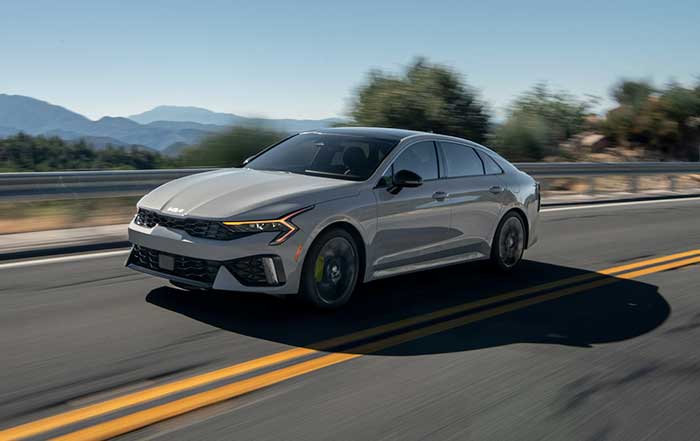
The Hyundai Sonata and Kia K5, products of South Korea's Hyundai Motor Group, offer a more design-forward and technology-centric interpretation of the midsize sedan. The Sonata, with its distinctive lighting signatures and coupe-like profile, is positioned as a sophisticated yet accessible option, and it continues to be offered in hybrid variants that compete closely with Japanese rivals on efficiency. Hyundai's long warranty coverage and focus on connected services, including advanced telematics and smartphone-based digital keys, contribute to perceived value. The Kia K5, meanwhile, emphasizes sportier styling and driving dynamics, targeting younger buyers who might otherwise gravitate toward compact crossovers. Its aggressive front-end design, available performance-oriented trims, and competitive pricing show how a sedan can still serve as an aspirational purchase for first-time buyers or upwardly mobile professionals.
The Nissan Altima remains differentiated by its available all-wheel drive, a feature that resonates strongly in colder climates across the United States and Canada, including markets such as the Upper Midwest and Northeast where winter traction is a key purchasing consideration. While Nissan has faced intense competition, the Altima's balance of fuel economy, comfort, and year-round usability keeps it relevant for commuters who value security in adverse conditions. These models collectively illustrate that the midsize sedan segment is not monolithic; rather, it consists of distinct propositions tailored to different lifestyle and regional needs, a theme that parallels the regional and international perspectives explored in usa-update.com's international and travel sections.
Electrification and Regulatory Pressures
By 2026, electrification is no longer a novelty in the midsize sedan class; it is a core component of product planning. While fully electric sedans are gaining visibility-particularly from brands such as Tesla, Hyundai, and BMW-the mainstream midsize segment is still dominated by hybrids and plug-in hybrids that balance range confidence with meaningful emissions reductions. This evolution is heavily influenced by regulatory frameworks at both federal and state levels, as well as by broader international climate commitments that shape corporate strategies.
The Toyota Camry Hybrid and Honda Accord Hybrid exemplify the way automakers leverage proven hybrid systems to deliver substantial gains in fuel economy and reductions in greenhouse gas emissions without requiring new charging infrastructure. These models typically achieve fuel economy figures that rival or exceed many compact crossovers, making them attractive to drivers who want to lower fuel expenses and environmental impact while maintaining familiar refueling routines. Plug-in hybrid sedans, such as variants of the Hyundai Sonata Plug-In Hybrid in previous model years and similar offerings from other manufacturers, provide limited all-electric driving ranges that can cover typical daily commutes, especially in dense metropolitan areas where stop-and-go traffic favors electric operation.
Policy initiatives, such as California's Advanced Clean Cars regulations and evolving federal Corporate Average Fuel Economy (CAFE) standards, exert direct pressure on automakers to increase fleetwide efficiency. These rules, along with similar policies in Europe and parts of Asia, encourage manufacturers to maintain efficient sedan offerings as part of a broader compliance strategy. Readers who follow regulatory developments and their impact on industry investment can deepen their understanding by exploring coverage of automotive and environmental policy in usa-update.com's regulation section and in resources such as the U.S. Environmental Protection Agency and California Air Resources Board, where rulemakings and technical analyses are regularly published.
Cost of Ownership, Financing, and Household Budgets
From a financial perspective, midsize sedans often deliver an attractive total cost of ownership, a factor that has taken on heightened importance in an era of elevated interest rates, persistent inflation in some consumer categories, and fluctuating energy prices. Purchase price is only one component of the financial equation; buyers must also consider insurance premiums, maintenance costs, depreciation, and fuel expenditures over a multi-year ownership horizon. Independent analyses by organizations such as Kelley Blue Book and Edmunds consistently show that many midsize sedans compare favorably with similarly priced SUVs on these long-term metrics.
Hybrid sedans like the Camry Hybrid and Accord Hybrid can generate thousands of dollars in fuel savings over a typical five- to seven-year ownership period, especially for drivers who log high annual mileage or who reside in regions with above-average gasoline prices, such as the West Coast and parts of the Northeast. Insurance rates are frequently lower for sedans than for SUVs or trucks, in part due to repair cost structures and historical claims data. Maintenance costs are generally predictable, and parts availability is strong because of the long production histories and global scale of these models. For households managing multiple financial obligations-from housing and education to healthcare and retirement contributions-the predictability and relative affordability of sedan ownership can be appealing, a reality that dovetails with themes discussed in usa-update.com's finance coverage of consumer credit and budgeting.
Financing conditions also play a decisive role. As central banks in the United States, Europe, and other regions adjust interest rates in response to inflation and economic growth, auto loan rates follow suit, affecting monthly payments and influencing vehicle choice. When borrowing costs rise, buyers often downsize or seek more economical models to keep payments within budget, which can steer some shoppers from larger SUVs toward midsize sedans. Readers interested in the interplay between monetary policy, consumer credit, and vehicle demand can find additional context in resources such as the Federal Reserve and the Bureau of Economic Analysis, as well as in usa-update.com's reporting on macroeconomic indicators.
2026 Midsize Sedan Interactive Guide
Explore America's evolving sedan market
Toyota Camry
Strengths:Legendary reliability, strong hybrid options, excellent resale value
Technology:Toyota Safety Sense standard, Apple CarPlay/Android Auto
Best For:Families, fleet operators, and buyers prioritizing dependability
Honda Accord
Strengths:Refined interior, spacious cabin, advanced hybrid powertrains
Technology:Honda Sensing, over-the-air updates, premium materials
Best For:Professionals, business travelers, and tech-savvy buyers
Hyundai Sonata
Strengths:Bold design, long warranty, connected services
Technology:Digital keys, advanced telematics, distinctive lighting
Best For:Design-conscious buyers seeking value and innovation
Kia K5
Strengths:Sporty styling, performance trims, competitive pricing
Technology:Modern infotainment, driver assistance features
Best For:Young professionals and enthusiast drivers
Nissan Altima
Strengths:Available all-wheel drive, winter capability, comfort
Technology:Nissan Safety Shield 360, year-round traction
Best For:Cold-climate buyers in Midwest and Northeast regions
Midsize Sedan Advantages Over SUVs
Fuel Economy
Better MPG than comparable SUVs
Lower Costs
Typical purchase price savings
Insurance
Lower premiums on average
Maintenance
Annual savings potential
Total Cost of Ownership Analysis
5-Year Ownership:Hybrid sedans like the Camry and Accord can save $3,000-6,000 in fuel costs compared to SUVs
Aerodynamics:Sedans are lighter and more streamlined, enhancing efficiency
Urban Advantage:Easier parking and maneuvering in congested cities
2026 Standard Technology & Safety
- Advanced Driver Assistance:Adaptive cruise control, lane-keeping, automatic emergency braking now standard across most models
- Hybrid Powertrains:Electrification mainstream with substantial fuel economy gains and emissions reductions
- Connected Services:Over-the-air updates, wireless CarPlay/Android Auto, digital keys becoming common
- Safety Ratings:Top IIHS and NHTSA scores, lower rollover risk than SUVs due to lower center of gravity
- Digital Cockpits:Large touchscreens, digital instrument clusters, voice controls reduce distraction
- Premium Audio:Enhanced sound systems and cabin insulation for mobile office and entertainment use
Market Share Stabilization
Who's Buying Sedans in 2026?
🏠 Families & Professionals
Priorities:Reliability, safety, affordability, long-term value
Use Case:Daily commuting, car seats, predictable expenses
Preferred Models:Toyota Camry Hybrid, Honda Accord
💼 Young Urban Professionals
Priorities:Design, connectivity, performance, technology
Use Case:City parking, weekend travel, mobile workspace
Preferred Models:Kia K5, Hyundai Sonata, Accord Sport
🌱 Eco-Conscious Buyers
Priorities:Fuel efficiency, emissions reduction, practical range
Use Case:High-mileage commuting without charging infrastructure needs
Preferred Models:Camry Hybrid, Accord Hybrid, Sonata Hybrid
❄️ Cold-Climate Commuters
Priorities:All-weather capability, winter traction, comfort
Use Case:Year-round reliability in Midwest/Northeast conditions
Preferred Models:Nissan Altima AWD, Subaru Legacy
Future of Midsize Sedans (2026-2030)
Accelerated Electrification
Federal and state emissions standards drive increased hybrid and fully electric sedan offerings. Battery costs decline, making EVs more accessible.
Supply Chain Evolution
Automakers localize production and diversify sourcing after semiconductor shortages. North American manufacturing investments continue.
Cost Pressures Drive Sedan Interest
Elevated housing, healthcare, and education costs keep affordability central. Sedans' lower total cost of ownership appeals to budget-conscious households.
Technology Democratization
Advanced safety systems, OTA updates, and connected services become standard even in base trims. Software-defined vehicles reshape ownership experience.
Stable Market Position
Sedans maintain 25-30% market share, serving loyal buyers who value efficiency, handling, and rational economics over SUV image.
Key Takeaway
The midsize sedan won't return to dominance but remains strategically important—balancing tradition with innovation, offering clear value to families, professionals, and eco-conscious buyers navigating economic pressures in 2026 and beyond.
Safety, Technology, and Trust
Safety performance is central to the enduring trust that many American families place in midsize sedans. Crash-test evaluations by the IIHS and NHTSA frequently highlight sedans that earn top-tier safety ratings, and these assessments are prominent in marketing materials, dealership conversations, and consumer research. Sedans benefit from a lower center of gravity than taller SUVs, which can reduce rollover risk and contribute to stable handling in emergency maneuvers. The structural engineering of modern unibody platforms, combined with extensive use of high-strength steel and sophisticated crumple zones, further enhances occupant protection.
At the same time, the democratization of advanced driver-assistance systems has transformed the safety proposition of midsize sedans. Suites such as Honda Sensing, Toyota Safety Sense, Hyundai SmartSense, and Nissan Safety Shield 360 now typically include adaptive cruise control, lane-keeping assistance, automatic emergency braking with pedestrian detection, blind-spot monitoring, and rear cross-traffic alerts as standard or widely available features. These technologies reduce the likelihood and severity of collisions and serve as an intermediate step toward more automated driving capabilities. For readers following broader technology trends in sectors as diverse as logistics, aviation, and consumer electronics, the integration of sensors, cameras, and software into everyday vehicles is part of a larger digital transformation narrative explored in usa-update.com's technology section.
Trustworthiness in this segment also stems from long-term reliability records and transparent recall and service practices. Brands such as Toyota and Honda have cultivated reputations for durability that span decades, supported by data from independent sources like Consumer Reports and J.D. Power. This history of consistent performance reassures buyers that their sedan will deliver dependable transportation well beyond the warranty period, a consideration that is especially important for small-business owners, gig-economy drivers, and families who depend on their vehicles for daily income or essential mobility.
Consumer Demographics and Lifestyle Fit
In 2026, the typical midsize sedan buyer profile is more diverse than stereotypes might suggest. The segment attracts multigenerational households, young professionals, retirees, and small-business owners across regions ranging from dense coastal cities to suburban communities in the Midwest and South. Three broad demographic clusters are particularly prominent.
First, families and professionals who prioritize reliability, safety, and affordability continue to view midsize sedans as rational choices that align with long-term financial planning. These buyers often value the ability to accommodate car seats, work equipment, or luggage while still achieving strong fuel economy and manageable monthly payments. Second, younger professionals and urban residents are drawn to sedans that emphasize design, connectivity, and performance, such as the Kia K5 and higher trims of the Hyundai Sonata and Honda Accord, which can serve as both daily commuters and weekend travel companions. Third, environmentally conscious consumers who are not ready to transition fully to electric vehicles often select hybrid sedans as a practical compromise that reduces emissions and fuel usage without requiring charging infrastructure, particularly in regions where public charging networks are still developing.
Lifestyle considerations also play a role. In congested metropolitan areas like New York, Los Angeles, Chicago, Toronto, and European cities such as Berlin and Paris, the smaller footprint of sedans simplifies parking and maneuvering. For commuters who regularly navigate tight parking garages or parallel-park on crowded streets, the additional height and length of SUVs can feel more like a burden than a benefit. Conversely, in rural areas and regions with challenging weather, some buyers still prefer SUVs or trucks, but the availability of features such as all-wheel drive on models like the Nissan Altima narrows that gap. These nuances in lifestyle fit are reflected in usa-update.com's lifestyle and travel coverage, where mobility is often intertwined with housing choices, recreation, and regional culture.
Midsize Sedans and the Broader Auto Industry Economy
The role of midsize sedans extends beyond individual buyers; it is interwoven with the health of the U.S. and global automotive industries, supply chains, and labor markets. Sedans are often produced in high-volume assembly plants located in states such as Kentucky, Alabama, Ohio, and Texas, where they support thousands of direct manufacturing jobs and many more positions in parts supply, logistics, and dealership networks. Investments by companies like Toyota, Honda, Hyundai, and Nissan in U.S. manufacturing facilities reflect long-term commitments to serving the North American market, even as these companies balance production among plants in Japan, South Korea, Mexico, and Europe.
Fluctuations in sedan demand can influence capital allocation decisions, hiring plans, and supplier contracts. When automakers decide to refresh or redesign a midsize sedan, they often commit billions of dollars to engineering, tooling, and marketing over a product cycle that can span six to eight years. These decisions are influenced by forecasts for consumer demand, regulatory requirements, and competing investment needs in electric vehicles, software platforms, and autonomous-driving research. Readers who follow industrial strategy and job creation in the economy and employment sections of usa-update.com can see how the fate of sedans intersects with broader debates about manufacturing competitiveness, trade policy, and workforce development.
Globally, the midsize sedan remains more prominent in markets such as Europe, parts of Asia, and South America than in the SUV-heavy United States, though SUVs are gaining share worldwide. In countries like Germany, Japan, and South Korea, sedans often serve as company cars and executive vehicles, reinforcing their association with professional identity and long-distance comfort. In emerging markets across Southeast Asia, South America, and Africa, sedans offer a balance between affordability and status that resonates with a growing middle class. The international performance of these vehicles matters for U.S. consumers because it enables manufacturers to amortize development costs across multiple regions, making it economically viable to maintain and update sedan platforms. Readers interested in these global linkages can explore usa-update.com's international coverage alongside resources such as the International Energy Agency and World Bank, which analyze transportation, energy, and development trends.
Technology, Connectivity, and In-Car Experience
In 2026, the in-car technology experience is a decisive factor for many midsize sedan buyers, particularly younger professionals, remote workers, and frequent travelers who treat their vehicles as extensions of their digital lives. Automakers have responded by integrating larger, higher-resolution touchscreens, fully digital instrument clusters, and voice-activated controls that reduce distraction and enhance usability. Wireless Apple CarPlay and Android Auto are now widely available, enabling seamless access to navigation, communication, and entertainment apps without cumbersome cables.
Over-the-air software updates, pioneered by companies like Tesla and now spreading across the industry, allow manufacturers to refine user interfaces, enhance driver-assistance features, and occasionally improve efficiency or performance without requiring dealership visits. This capability supports a more dynamic ownership experience and aligns with broader trends in software-defined vehicles and connected services, themes that frequently appear in usa-update.com's technology and events reporting on innovation and digital ecosystems.
In terms of entertainment and lifestyle, premium audio systems, ambient lighting, and customizable drive modes allow midsize sedans to serve multiple roles: quiet mobile offices during the workweek, comfortable family shuttles on weekends, and engaging driving companions on long road trips. Streaming media integration and improved cabin insulation enhance the experience of music, podcasts, and video (when parked), aligning with broader shifts in media consumption covered in usa-update.com's entertainment section. These features underscore that, even as mobility options expand to include ride-hailing, car-sharing, and micromobility, many consumers still value the privacy, control, and personalization that owning a well-equipped sedan can provide.
Midsize Sedans versus SUVs: Economics and Perception
The ongoing rivalry between midsize sedans and SUVs reflects not only engineering trade-offs but also deep-seated perceptions about status, safety, and practicality. SUVs offer higher seating positions, which many drivers equate with better visibility and a greater sense of security. They typically provide more cargo space and, in some cases, three-row seating, making them attractive to larger families or those who frequently transport equipment or recreational gear. Marketing campaigns have reinforced these attributes, portraying SUVs as vehicles of adventure, capability, and modern lifestyle.
However, when evaluated through the lens of economics and efficiency, midsize sedans frequently hold an advantage. Their lower weight and better aerodynamics lead to improved fuel economy, reducing both operating costs and emissions. Purchase prices are often lower than those of similarly equipped SUVs, and maintenance and tire replacement costs can also be reduced. As fuel prices fluctuate in response to global energy markets, geopolitical events, and supply constraints-developments tracked in usa-update.com's energy coverage and in resources such as the U.S. Energy Information Administration-the cost gap between sedans and SUVs can widen, prompting some buyers to reconsider their preferences.
Perception remains a powerful force, but economic reality has begun to reassert itself, particularly in regions where household budgets are under pressure from rising housing costs and other essentials. For some buyers, especially in urban and suburban environments where extreme off-road capability is rarely needed, the rational calculus favors sedans. As more consumers gain exposure to hybrid and plug-in hybrid sedans that deliver impressive fuel economy without sacrificing comfort or technology, the narrative that equates SUVs with superiority may continue to soften.
Outlook: The Future of Midsize Sedans in a Changing Mobility Landscape
Looking toward the late 2020s, the future of midsize sedans in the United States will be shaped by several intersecting trends. First, the pace of electrification will intensify as federal and state governments implement stricter emissions standards and as infrastructure for electric-vehicle charging expands. Sedans are well positioned to serve as cost-effective platforms for both hybrid and fully electric powertrains, given their aerodynamic efficiency and relatively low weight. As battery costs decline and range improves, more fully electric sedans are likely to enter the mainstream, offering an alternative to electric crossovers for buyers who prioritize efficiency and driving dynamics.
Second, global supply chains and industrial strategies will continue to evolve in response to geopolitical tensions, trade policies, and lessons learned from disruptions such as the semiconductor shortages of the early 2020s. Automakers may localize more production in North America or diversify sourcing to enhance resilience, decisions that could influence pricing, availability, and employment. Readers tracking these developments in usa-update.com's business and economy sections will see how midsize sedans fit into broader efforts to balance cost efficiency with supply-chain security.
Third, consumer cost pressures are likely to remain a defining factor. Even if inflation moderates, high absolute costs for housing, healthcare, and education will keep affordability at the forefront of purchasing decisions. Sedans that deliver strong long-term value, backed by reliable technology and robust safety features, will remain compelling options for many households and small businesses. The segment may not return to its former dominance, but it is poised to remain a stable and strategically important component of the U.S. vehicle mix.
For usa-update.com and its readers, the midsize sedan story in 2026 is ultimately about balance: between tradition and innovation, between aspiration and pragmatism, and between national economic forces and individual household choices. As automakers refine their offerings and as consumers weigh their options in a complex and rapidly changing marketplace, the midsize sedan continues to offer a clear, rational proposition. It remains a vehicle class that quietly but decisively links transportation, finance, technology, employment, and lifestyle-core themes that will continue to be explored across usa-update.com's coverage of news, economy, business, jobs, and travel as the automotive landscape evolves through the remainder of the decade.
