
Amelia Island in 2026: Heritage, Luxury, and Sustainable Growth on Florida's Atlantic Frontier
Amelia Island, on Florida's northeast coast near the Georgia border, has evolved by 2026 into one of the United States' most compelling examples of how a destination can combine historical depth, environmental stewardship, and high-end tourism with disciplined economic development. For the readership of usa-update.com, which follows developments across the economy, business, finance, employment, regulation, energy, and consumer markets in the United States and beyond, Amelia Island offers more than a picturesque getaway; it functions as a living case study in how a relatively small community can integrate global travel demand, sophisticated hospitality, and long-term investment in a way that protects local character while generating sustainable prosperity.
Situated within Nassau County and framed by the Atlantic Ocean and the Intracoastal Waterway, Amelia Island is now firmly positioned in the premium tier of North American coastal destinations, yet it maintains a quieter, more understated profile than Florida's larger tourism magnets. In 2026, its appeal extends well beyond leisure travelers to encompass business leaders, investors, remote professionals, and international visitors who are increasingly drawn to places that can deliver both quality of life and economic opportunity. Against this backdrop, usa-update.com has taken a particular interest in how the island's trajectory illuminates broader patterns in the U.S. and global economy, from real estate and infrastructure to employment and lifestyle migration.
A Layered History that Shapes a Modern Brand
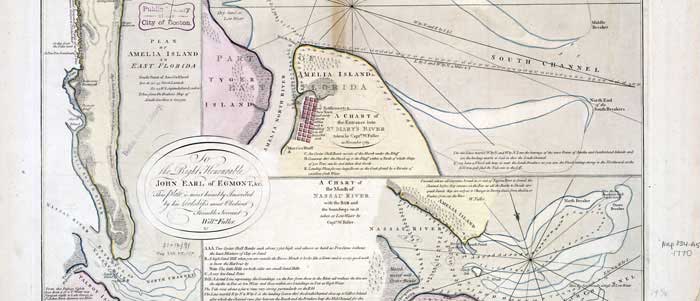
Amelia Island's contemporary positioning cannot be separated from its complex past. Often referred to as the "Isle of Eight Flags," it is one of the few locations in North America to have flown the flags of Spain, France, Britain, the United States, the Confederate States, and various short-lived regimes, including those led by privateers and adventurers. This unusual succession of sovereignties is not just a historical curiosity; it underpins the island's distinctive sense of identity and provides a narrative that resonates strongly with visitors seeking destinations with authentic stories rather than manufactured themes.
The town of Fernandina Beach, on the island's northern end, remains the focal point of this heritage. Its well-preserved Victorian-era architecture, historic waterfront, and grid of walkable streets anchor a downtown district that has successfully resisted the homogenizing pressures of many coastal developments. The Amelia Island Museum of History, housed in a former county jail, serves as an interpretive hub, placing local events within the broader sweep of colonial competition, maritime trade, and American expansion. Visitors interested in contextualizing this history within the wider narrative of U.S. development increasingly turn to resources such as the National Park Service and Library of Congress, where archival material and scholarly perspectives help explain how borderlands like northeast Florida influenced early economic and geopolitical dynamics.
In 2026, heritage preservation is not treated as a static exercise but as a strategic asset. Building codes, design guidelines, and conservation policies are calibrated to protect Fernandina Beach's architectural integrity while allowing adaptive reuse of historic structures for boutique hotels, restaurants, and professional offices. Annual events such as the Isle of Eight Flags Shrimp Festival transform the downtown into a showcase of living history, with reenactments, parades, and culinary experiences that draw tens of thousands of visitors and reinforce the island's brand as a place where the past remains visibly and commercially relevant. For business and policy professionals tracking how heritage can be leveraged for economic growth, the evolving regulatory framework around preservation is increasingly aligned with trends discussed in the usa-update.com/regulation.html section, where the balance between local control, state policy, and private investment is a recurring theme.
Tourism as an Engine of a Diversifying Local Economy
Tourism remains the primary driver of Amelia Island's economy in 2026, but the nature of that tourism has become notably more diversified, segmented, and resilient. Flagship properties such as The Ritz-Carlton, Amelia Island and Omni Amelia Island Resort continue to anchor the high-luxury segment, offering golf, spa, and conference facilities that cater to affluent leisure travelers, corporate groups, and international visitors arriving via Jacksonville International Airport. At the same time, a growing ecosystem of independent inns, vacation rentals, and small-scale resorts has emerged to serve niche markets ranging from wellness tourism to remote-work stays.
The island's tourism profile now reflects several overlapping trends in the broader U.S. economy, many of which are explored in the usa-update.com/economy.html and usa-update.com/business.html sections. There is a clear shift toward higher-yield, lower-density visitation, with local stakeholders deliberately avoiding the mass-market model that has strained infrastructure in other parts of Florida. Revenue per visitor has increased as the destination attracts travelers who prioritize quality, authenticity, and sustainability, and who are willing to pay a premium for curated experiences. This approach aligns with national data from organizations such as the U.S. Travel Association, which show that experience-driven travel continues to outpace purely price-sensitive segments.
Tourism's contribution to local employment and tax revenue is substantial. Hospitality and food service remain the largest categories of tourism-related jobs, but event management, professional services, transportation, and wellness industries are steadily expanding. The ripple effects are visible in construction, retail, and personal services, reinforcing Amelia Island's role as a micro-economy that can provide insights into the interaction between tourism and broader labor-market dynamics, a topic closely followed in usa-update.com/employment.html.
Real Estate, Investment, and the Geography of Lifestyle Migration
By 2026, Amelia Island has become a focal point for investors and homebuyers seeking a combination of coastal access, relative stability, and quality of life. The real estate market, already strong in 2024 and 2025, has continued to appreciate, supported by demographic and behavioral shifts that accelerated during the pandemic years and have not fully reversed. Remote and hybrid work models remain entrenched across many sectors in the United States, Canada, and Europe, enabling professionals to decouple their place of employment from their place of residence.
This phenomenon, often described as "lifestyle migration," has driven sustained demand for primary and secondary homes on Amelia Island. Oceanfront properties, golf-course communities, and residences within walking distance of downtown Fernandina Beach are particularly sought after, with inventory remaining tight and prices reflecting the island's desirability relative to other coastal markets. Many investors view Amelia Island as a less volatile alternative to more heavily speculated markets such as Miami, Naples, or certain parts of California, a perspective shared in analyses by institutions such as the Federal Reserve Bank of Atlanta that track regional housing trends and affordability pressures across the Southeast.
The investment story extends beyond individual homebuyers. Hospitality funds, private equity firms, and family offices have shown heightened interest in boutique hotels, mixed-use developments, and adaptive reuse projects, particularly where heritage value can be combined with modern amenities. Short-term rentals, while subject to evolving local regulations, remain an important component of the island's accommodation mix, offering both flexibility for visitors and income streams for property owners.
Local authorities and planners face the ongoing challenge of managing growth without eroding the very attributes that make Amelia Island attractive. Zoning policies, building-height restrictions, and environmental review processes are designed to ensure that new development does not overwhelm infrastructure, threaten coastal resilience, or undermine historic character. These regulatory choices mirror broader debates about housing, land use, and infrastructure investment that usa-update.com covers in its economy and regulation sections, particularly as communities nationwide grapple with balancing investment, affordability, and sustainability.
Natural Capital, Conservation, and Outdoor Experiences
Amelia Island's natural environment remains its most valuable long-term asset and a central pillar of its economic model. Thirteen miles of Atlantic shoreline, backed by dune systems and maritime forests, provide the physical foundation for a tourism industry that is increasingly marketed around outdoor recreation, wellness, and ecological awareness. Fort Clinch State Park, at the island's northern tip, exemplifies this integration of nature and history, with Civil War-era fortifications, hiking and biking trails, fishing piers, and some of the most unspoiled beaches on the Florida coast.
In 2026, conservation is not merely a talking point but a core component of destination management. Local governments, nonprofit organizations, and private stakeholders collaborate on dune restoration, shoreline stabilization, and habitat protection for species such as sea turtles and migratory birds. Guidance from scientific bodies like the National Oceanic and Atmospheric Administration and best-practice frameworks from organizations such as the United Nations Environment Programme inform many of the policies adopted on the island, from setback requirements and lighting ordinances to guidelines for eco-tour operators.
Outdoor activities have diversified alongside these conservation efforts. Kayaking through salt marshes, paddleboarding along the Intracoastal Waterway, horseback riding on the beach, and guided birdwatching excursions attract visitors from across North America and Europe who view nature-based experiences as integral to their travel plans. This aligns with global trends documented by entities such as the World Travel & Tourism Council, which note the growing share of travelers who evaluate destinations based on environmental performance and access to authentic outdoor experiences. Amelia Island's strategy, therefore, is not only environmentally responsible but economically rational, as it positions the island competitively against other coastal regions that may have compromised their natural assets through overdevelopment.
🏝️ Amelia Island Evolution Timeline
From Historic Heritage to Modern Luxury Destination
Culture, Cuisine, and Lifestyle as Strategic Differentiators
Cultural and lifestyle offerings have become crucial elements in Amelia Island's differentiation from other Florida destinations. The Amelia Island Chamber Music Festival, which attracts internationally recognized musicians each season, has solidified the island's reputation as a serious cultural venue, drawing audiences from major U.S. cities and abroad. Smaller music series, theater productions, and visual arts exhibitions fill the calendar throughout the year, ensuring that cultural activity is not limited to peak tourist months.
The culinary scene has matured significantly, reflecting national trends toward regional authenticity, sustainability, and experiential dining. Local restaurants emphasize fresh seafood, particularly shrimp, which remains emblematic of the island's maritime heritage, alongside farm-to-table menus that highlight produce from northeast Florida and southeast Georgia. Wine dinners, chef collaborations, and food-and-wine festivals attract visitors whose travel decisions are strongly influenced by gastronomy, a pattern consistent with research from organizations such as the James Beard Foundation on the economic role of food culture in destination branding.
Lifestyle, in a broader sense, is now one of Amelia Island's primary selling points. Residents and long-stay visitors often cite walkability, community events, safety, and access to wellness services as key reasons for choosing the island. Yoga studios, spas, fitness centers, and wellness retreats have proliferated, catering to a demographic that prioritizes health and work-life balance. These themes resonate with coverage on usa-update.com/lifestyle.html, where the interplay between health, leisure, and economic behavior is an ongoing focus. The island's ability to integrate culture, cuisine, and wellness into a coherent lifestyle proposition strengthens its appeal to both retirees and younger professionals evaluating relocation or remote-work options.
Events, Festivals, and the Economics of Experience
Amelia Island's event calendar has become a powerful engine for both tourism and brand visibility. The Isle of Eight Flags Shrimp Festival continues to be the best-known community event, combining historical reenactments, seafood competitions, arts and crafts, and live entertainment into a multi-day celebration that fills hotels and restaurants while reinforcing the island's maritime identity. The festival's economic impact is amplified by media coverage and social sharing, which introduce the destination to new audiences across the United States, Canada, Europe, and beyond.
Equally notable is the Amelia Island Concours d'Elegance, now recognized as one of the world's premier automotive events. Attracting collectors, industry executives, and enthusiasts from North America, Europe, and Asia, the Concours showcases rare and historic vehicles alongside contemporary models from luxury brands such as Porsche, Mercedes-Benz, and Jaguar. Beyond direct visitor spending, the event generates substantial sponsorship revenue, charity contributions, and high-value networking opportunities, underscoring how cultural and lifestyle events can function as business platforms. Readers interested in how such events influence regional economies can find broader analysis in the usa-update.com/events.html section, which examines the role of festivals and conferences in U.S. economic development.
In addition to these flagship gatherings, Amelia Island hosts a growing roster of smaller events, including book festivals, film screenings, art walks, food and wine weekends, and wellness retreats. Each contributes incrementally to visitor numbers and local spending, but collectively they create a year-round rhythm that mitigates seasonality and supports stable employment. This event-driven strategy aligns with global best practices promoted by organizations such as Destination International, which emphasize the importance of diversified programming in building resilient visitor economies.
Entertainment, Sports, and Leisure Infrastructure
Amelia Island's entertainment offering extends beyond festivals and cultural events to include a robust mix of sports, nightlife, and leisure amenities that support both tourism and resident quality of life. Golf remains a cornerstone attraction, with courses such as Amelia River Golf Club and the Golf Club of Amelia Island drawing players from across North America and serving as venues for corporate outings and charity tournaments. The island's mild climate and scenic landscapes make it particularly attractive for golfers from colder regions such as Canada, the northeastern United States, and northern Europe seeking winter and shoulder-season play.
Tennis and pickleball facilities have expanded rapidly, reflecting the surge in racquet sports across the United States and internationally. Resorts and residential communities have invested in new courts, coaching programs, and tournaments, using these amenities to appeal to active travelers and health-conscious residents. Water-based recreation, including boating, fishing, sailing, and surfing, reinforces the island's maritime identity and provides additional channels for visitor engagement.
Nightlife on Amelia Island is deliberately curated rather than overwhelming. Live music venues, wine bars, and intimate lounges in Fernandina Beach and within resort properties offer entertainment options that complement the island's upscale, relaxed positioning. This approach differentiates Amelia Island from more party-oriented destinations and aligns with the preferences of travelers who value atmosphere and safety over high-intensity nightlife. For readers tracking shifts in U.S. entertainment and leisure markets, the patterns emerging on Amelia Island parallel many of the trends discussed in usa-update.com/entertainment.html, where experiential, quality-focused entertainment is increasingly favored over volume-driven models.
Connectivity, Digital Infrastructure, and Business Travel
Accessibility has long been one of Amelia Island's competitive strengths, and by 2026 this advantage has been enhanced by both physical and digital infrastructure improvements. The island lies roughly 30 minutes from Jacksonville International Airport, which offers direct connections to major U.S. hubs and growing international service to Canada, Europe, and Latin America. For travelers from markets such as the United Kingdom, Germany, Canada, and Brazil, the combination of a manageable flight, efficient airport, and short ground transfer makes Amelia Island a convenient entry point into the U.S. Southeast. Information from entities such as the U.S. Department of Transportation indicates that secondary airports like Jacksonville are playing an increasingly significant role in international connectivity, a trend that benefits destinations such as Amelia Island.
On the island itself, road improvements and traffic-management measures have been implemented to handle peak-season demand while preserving neighborhood character. More importantly for business and remote-work travelers, digital connectivity has become a priority. High-speed broadband coverage has expanded, and many accommodations now market themselves explicitly as "work-from-anywhere" friendly, with dedicated workspaces, meeting facilities, and technology support. This aligns with national efforts to bridge digital divides and enhance competitiveness, themes frequently examined in usa-update.com/technology.html, and reflects broader U.S. policy initiatives highlighted by the Federal Communications Commission and other agencies.
These infrastructure improvements have strengthened Amelia Island's position as a venue for small to mid-sized conferences, executive retreats, and incentive travel programs. Companies from across North America and Europe increasingly seek destinations that offer strong connectivity, safety, cultural interest, and recreational options in a compact, manageable setting. Amelia Island's capacity to meet these criteria has turned it into a favored choice for sectors ranging from financial services and technology to healthcare and professional associations.
Employment, Skills, and the Local Labor Market
The economic vitality of Amelia Island in 2026 is reflected in its labor market, which has become more diversified even as tourism remains the foundation. Hospitality, food service, and retail still account for a large share of jobs, but professional services, healthcare, education, and remote-work roles have grown in importance as new residents bring skills and demand for higher-value services. This diversification helps buffer the local economy against shocks to the travel sector, a lesson reinforced by the disruptions of the early 2020s.
Training and workforce development initiatives, often implemented in partnership with regional educational institutions and employers, focus on hospitality management, culinary arts, event planning, and digital skills. These programs aim to create career pathways rather than purely seasonal employment, a shift that mirrors national conversations about job quality and upward mobility. Analysts and professionals following these trends can relate Amelia Island's experience to broader patterns covered in usa-update.com/jobs.html and usa-update.com/employment.html, where the interplay between local opportunity and national labor dynamics is a recurring topic.
At the same time, the island faces challenges common to many successful tourism destinations, including housing affordability for service workers, transportation for employees commuting from off-island communities, and competition for talent in a tight labor market. Local leaders are increasingly engaged in policy discussions around workforce housing, transit, and wage standards, drawing on best practices from other U.S. and international destinations documented by organizations such as the OECD and the International Labour Organization. The outcomes of these debates will shape the long-term sustainability of Amelia Island's economic model and provide lessons for similar communities worldwide.
Positioning in the Global Travel and Investment Landscape
In 2026, Amelia Island competes not only with regional peers such as Hilton Head Island and Georgia's barrier islands but also with international coastal destinations in Europe, the Caribbean, and the Asia-Pacific region. Its competitive advantage lies in its combination of accessible luxury, historical authenticity, environmental stewardship, and relatively predictable regulatory and legal frameworks under U.S. jurisdiction. For investors and travelers from Europe, Canada, and Asia, this combination offers a compelling alternative to markets where political or regulatory risk may be higher.
Global tourism data from entities such as the UN World Tourism Organization and the World Bank indicate that travelers increasingly seek destinations that feel distinctive yet safe, and that provide opportunities for cultural engagement, outdoor recreation, and wellness. Amelia Island's brand aligns closely with these preferences, particularly among visitors from Western Europe, the United Kingdom, the Nordic countries, Canada, and advanced Asian economies such as Japan, Singapore, and South Korea. For readers of usa-update.com, the island's trajectory offers a concrete example of how U.S. destinations can position themselves in a competitive global marketplace, a topic explored in usa-update.com/international.html and usa-update.com/travel.html.
Investment flows mirror these tourism patterns. International buyers of real estate on Amelia Island typically seek long-term holds, lifestyle diversification, and dollar-denominated assets in a stable legal environment. This complements domestic investment from high-net-worth individuals and institutional players who view the island as part of a broader portfolio of U.S. hospitality and residential assets. Financial professionals examining these dynamics can relate them to national trends in capital allocation and risk management discussed in usa-update.com/finance.html, as well as to macroeconomic indicators tracked by sources such as the Bureau of Economic Analysis.
Outlook to 2030: Balancing Growth, Resilience, and Identity
Looking ahead to 2030, Amelia Island appears well positioned for continued growth, provided that its stakeholders maintain a disciplined focus on balance and resilience. Sustainable tourism is likely to deepen as a defining theme, with further investments in conservation, climate adaptation, and low-impact infrastructure. Sea-level rise, storm intensity, and insurance costs will remain critical considerations, making the island's engagement with climate science and risk mitigation-guided by institutions such as the Intergovernmental Panel on Climate Change-increasingly important to investors and residents alike.
Luxury and upper-middle-tier real estate demand is expected to remain strong, though constrained by limited land availability and regulatory controls. This scarcity could support property values but also intensify debates over affordability and inclusivity. Technology integration will continue to reshape the island's economic profile, enabling more residents to work remotely for employers across the United States, Canada, Europe, and Asia, effectively turning Amelia Island into a node in the global digital economy that usa-update.com regularly analyzes through its technology and business coverage.
Event tourism is likely to grow in scale and sophistication, with the Amelia Island Concours d'Elegance, chamber music festival, wellness retreats, and emerging cultural gatherings further enhancing the island's global visibility. At the same time, community leaders will need to ensure that event growth does not overwhelm infrastructure or dilute local character, a challenge that will require careful coordination between public agencies, private organizers, and residents.
For usa-update.com, Amelia Island's evolution between now and 2030 will remain a valuable lens through which to observe how a U.S. community can navigate the intersection of tourism, investment, regulation, and lifestyle in a world where mobility, digital connectivity, and environmental risk are reshaping traditional economic models. As international interest in the United States continues to evolve across markets from Europe and North America to Asia, Africa, and Latin America, destinations like Amelia Island will play an outsized role in shaping perceptions of American quality of life, business opportunity, and environmental responsibility.
In this sense, Amelia Island is more than a coastal retreat. It is a microcosm of the broader forces transforming the U.S. economy and society in 2026-a place where history and modernity, local identity and global connectivity, environmental stewardship and economic ambition converge on a narrow barrier island that has learned, over centuries, how to adapt without losing its soul. For readers of usa-update.com, following Amelia Island's story is not simply a matter of travel inspiration; it is an opportunity to understand, in concrete terms, how the United States can harness its cultural and natural assets to compete, prosper, and lead in a rapidly changing world.
