
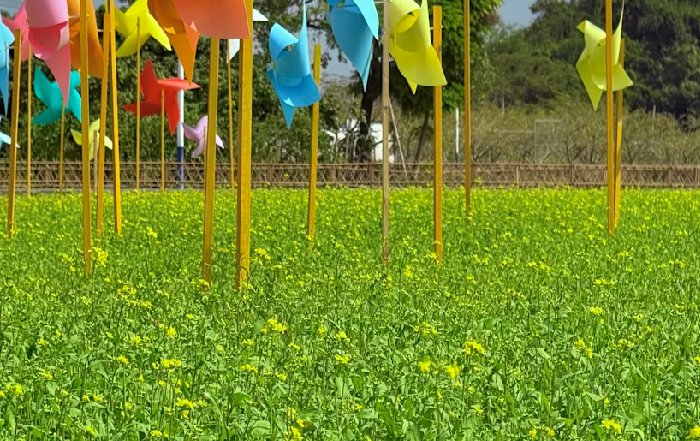
Innovations in Sustainable Agriculture: How Technology and Policy Are Reshaping the Global Food System
Sustainable Agriculture at a Turning Point
So sustainable agriculture has moved from the margins of policy debate into the center of economic and strategic planning, particularly in the United States, where escalating climate risks, geopolitical shocks and shifting consumer expectations have converged to redefine how food is produced, traded and financed. The transformation of agriculture is no longer a niche environmental story; it is a core narrative about competitiveness, resilience and long-term value creation across the entire food system and its adjacent industries.
As extreme weather events become more frequent across North America and beyond, and as global supply chains remain vulnerable to conflict, pandemics and trade disputes, the imperative to build a resilient and low-carbon agricultural sector has taken on new urgency. Leading institutions such as the United States Department of Agriculture (USDA), the Food and Agriculture Organization of the United Nations (FAO) and the World Bank have repeatedly warned that without rapid innovation in land use, water management, crop genetics and digital technologies, global food security and economic stability could face mounting risks. Readers seeking a broader macroeconomic perspective can explore how these dynamics intersect with growth, inflation and trade by following ongoing coverage on the economy section of usa-update.com.
At the same time, sustainable agriculture has become a powerful arena for technological experimentation, attracting startups, established agribusinesses, institutional investors and technology giants. Artificial intelligence, robotics, satellite imagery, genomics and blockchain are being deployed across farms from California's Central Valley to Brazil's Cerrado and from European greenhouses to African smallholder plots. These innovations are not only changing how crops are grown, but also how risk is priced, how labor is organized, how regulations are enforced and how consumers understand the provenance of their food. For readers monitoring broader business and market trends, the convergence of agriculture, technology and finance is increasingly prominent in usa-update.com's business coverage and finance reporting.
The Strategic Context: Climate, Food Security and Economic Resilience
The strategic importance of sustainable agriculture today is anchored in a set of converging pressures that extend far beyond the farm gate. Climate change continues to reshape rainfall patterns, increase the frequency of droughts and floods and alter pest and disease dynamics in ways that challenge traditional production systems. The Intergovernmental Panel on Climate Change (IPCC) has repeatedly emphasized that agriculture is both a major contributor to greenhouse gas emissions and one of the sectors most exposed to climate risks, making it a central arena for mitigation and adaptation efforts. Policymakers and executives who want to understand the broader scientific backdrop can review recent climate assessments and scenarios on the IPCC's official website.
Simultaneously, demographic and economic trends are driving up demand for food, animal protein and more resource-intensive diets, particularly in Asia, Africa and Latin America. Institutions such as the World Food Programme (WFP) and FAO have highlighted that while global calorie production has grown, vulnerabilities persist in regions facing conflict, water scarcity or fragile infrastructure. Analysts tracking these dynamics from a global perspective can access additional data and insights through the World Food Programme's global hunger monitoring resources and the FAO's statistical platforms.
For the United States and its trading partners in Europe, Canada, Brazil, Australia and across Asia, sustainable agriculture is thus not merely an environmental or social responsibility issue; it is a strategic economic priority that touches on export competitiveness, rural employment, energy policy and national security. The U.S. Department of Energy (DOE), for example, increasingly treats bioenergy and agricultural residues as part of an integrated strategy for decarbonizing power, fuels and industrial processes, a trend that readers can follow through the DOE's energy efficiency and renewable energy initiatives.
Within this complex environment, usa-update.com serves a business-oriented audience that expects not only high-level narratives but also concrete analysis of how emerging technologies, regulatory reforms and financial innovations are changing incentives and risk profiles. Regular reporting in areas such as regulation, energy and consumer behavior has shown that agriculture is now deeply embedded in debates about carbon markets, ESG investing, trade policy and corporate disclosure standards.
Digital Transformation on the Farm: Data, AI and Precision Management
One of the most visible shifts in sustainable agriculture over the past few years has been the rapid diffusion of digital technologies that enable farmers to monitor and manage their operations with unprecedented granularity. Precision agriculture, once confined to large, well-capitalized operations in North America and Europe, has expanded globally as the cost of sensors, drones and satellite imagery has declined and as connectivity has improved even in remote rural regions.
Artificial intelligence and machine learning have become central to this transformation. Companies such as John Deere, CNH Industrial, Bayer, Syngenta and a growing ecosystem of ag-tech startups now offer platforms that integrate historical yield data, soil characteristics, weather forecasts and real-time sensor inputs to generate field-level recommendations on seeding rates, fertilizer application, irrigation scheduling and pest control. The U.S. Department of Agriculture and land-grant universities have supported this transition by funding research and extension programs that help farmers adopt and adapt these tools, and business readers can track ongoing developments in agricultural technology through dedicated innovation coverage at usa-update.com/technology.
The role of satellite data has been particularly transformative. High-resolution imagery from public programs such as NASA's Earth observation missions and the European Space Agency (ESA)'s Copernicus program, combined with commercial constellations, allows for near-real-time monitoring of crop health, water stress and land use change. Analysts and investors can explore how Earth observation is being used for agriculture, climate risk assessment and supply chain transparency via NASA's Earthdata portal and the ESA's Copernicus services overview.
For a business audience, the economic rationale for precision and digital agriculture is compelling. By applying inputs only where and when they are needed, farmers can reduce costs, improve yields, lower emissions and demonstrate compliance with increasingly stringent environmental regulations. This, in turn, feeds into the risk models of lenders, insurers and commodity traders, who are beginning to reward verifiable sustainability performance with better financing terms and long-term contracts. Readers following financial innovation in this space may find it useful to track developments in green and sustainability-linked finance through organizations such as the International Finance Corporation (IFC), which provides detailed case studies and frameworks on its sustainable finance pages.
Regenerative and Climate-Smart Practices: From Niche to Mainstream
Parallel to the digital transformation of agriculture, there has been a marked shift in agronomic practices, with regenerative and climate-smart approaches moving from niche experimentation into the mainstream of policy and corporate strategy. Practices such as cover cropping, reduced or no-till farming, diversified crop rotations, agroforestry and integrated livestock-crop systems are being promoted as ways to enhance soil health, increase biodiversity, sequester carbon and improve resilience to climate shocks.
The USDA's climate-smart commodities initiatives, along with similar programs from the European Commission under the Green Deal and Farm to Fork Strategy, have provided significant public funding for pilot projects that test and scale these approaches. Internationally, initiatives supported by the World Bank and regional development banks have sought to bring climate-smart agriculture to smallholder farmers in Africa, Asia and Latin America, recognizing that these producers are both highly vulnerable to climate change and essential to regional food security. Readers who want to explore the policy frameworks behind these efforts can review the World Bank's resources on climate-smart agriculture.
From a corporate perspective, some of the world's largest food and beverage companies, including Nestlé, Unilever, PepsiCo and Danone, have committed to sourcing increasing volumes of their raw materials from farms that meet regenerative agriculture standards. These commitments are often embedded in broader net-zero and nature-positive strategies and are tracked by organizations such as the World Business Council for Sustainable Development (WBCSD) and the World Resources Institute (WRI). Executives evaluating best practices and evolving standards can review WRI's work on sustainable food and land use and WBCSD's reports on business and climate.
For the audience of usa-update.com, which regularly follows developments in jobs, employment and regional economies, the expansion of regenerative agriculture has important labor and community implications. Transitioning to new practices often requires training, advisory services and new forms of collaboration among farmers, cooperatives, input suppliers and buyers. Coverage in the employment section and jobs reporting has increasingly highlighted how regenerative projects can create new roles in agronomy consulting, carbon measurement, data analytics and farm management, while also raising questions about equitable access to technical assistance and finance.
Controlled Environment Agriculture and Vertical Farming
Another major innovation trajectory in sustainable agriculture involves controlled environment agriculture (CEA), including greenhouses, vertical farms and hybrid models that use protected cultivation combined with renewable energy and advanced climate control systems. In the United States, Canada, Europe and parts of Asia, these systems have attracted significant investment as a way to produce high-value crops such as leafy greens, herbs and berries close to urban centers, thereby reducing transportation emissions, land pressure and vulnerability to weather extremes.
Companies like AeroFarms, Plenty, Infarm and AppHarvest have pioneered different business models in this space, ranging from large-scale vertical farms integrated into retail supply chains to modular systems installed in supermarkets, restaurants and institutional kitchens. These businesses rely heavily on LED lighting, nutrient recycling, automation and data analytics to optimize yields and resource use. For readers interested in the technological underpinnings and energy implications of CEA, the U.S. Department of Energy provides technical analyses and guidance on efficient lighting and controlled environment systems.
While the initial wave of enthusiasm around vertical farming was tempered by concerns about capital intensity, energy costs and scalability, the sector has evolved toward more disciplined business models and greater integration with renewable energy sources, waste heat recovery and grid services. Financial analysts now assess CEA not only as a food production technology but also as part of a broader infrastructure play that intersects with real estate, energy and logistics. Coverage on usa-update.com's finance pages has increasingly examined how investors evaluate the long-term viability of these ventures, how they are affected by interest rate environments and how they fit into diversified portfolios that also include traditional farmland and agri-infrastructure assets.
Internationally, CEA is gaining traction in regions facing water scarcity, limited arable land or high import dependence, such as the Middle East, Singapore and parts of East Asia. Policymakers and corporate strategists in these regions often turn to resources from organizations like the International Water Management Institute (IWMI) and the International Food Policy Research Institute (IFPRI), which provide research on water-efficient agriculture and food policy innovation relevant to controlled environment systems.
Biotechnology, Gene Editing and Climate-Resilient Crops
Advances in biotechnology and gene editing have opened a new frontier in sustainable agriculture, enabling the development of crops that are more tolerant to drought, heat, salinity and disease, and that require fewer chemical inputs. Since the early 2020s, tools such as CRISPR and related technologies have allowed scientists to make precise changes to plant genomes more quickly and at lower cost than traditional breeding or older genetic modification techniques.
In the United States, regulatory frameworks overseen by the USDA, the Food and Drug Administration (FDA) and the Environmental Protection Agency (EPA) have gradually adapted to the specifics of gene-edited crops, focusing on traits and risk profiles rather than solely on the methods used to develop them. These evolving rules have important implications for innovation, trade and consumer acceptance, and business readers can track regulatory updates and guidance through the FDA's biotechnology program pages.
Globally, countries such as Japan, Brazil, Argentina and the United Kingdom have also moved to clarify their regulatory positions on gene editing, seeking to balance safety and public confidence with the desire to accelerate innovation in climate-resilient crops. This has led to a patchwork of rules and standards that multinational seed companies and food manufacturers must navigate as they design product pipelines and supply chains. International organizations such as the Organisation for Economic Co-operation and Development (OECD) have published guidance on biotechnology regulation and safety assessment, which can be accessed through the OECD's biotechnology portal.
For a business-oriented audience, the key questions around biotechnology in sustainable agriculture revolve around risk management, intellectual property, market access and brand reputation. On one hand, climate-resilient crops can reduce yield volatility, decrease input costs and enhance food security; on the other, consumer perceptions and regulatory uncertainty can create reputational and legal risks. Companies with strong experience and expertise in stakeholder engagement, transparency and traceability are better positioned to navigate this landscape, and media outlets such as usa-update.com have a role in explaining these complex issues to investors, policymakers and the public through ongoing news coverage and international reporting.
Sustainable Agriculture Explorer
Navigate the key innovations reshaping the global food system
Data, Traceability and the Rise of Agri-Food Transparency
Today data has become a strategic asset in agriculture, not only for farm management but also for supply chain traceability, regulatory compliance and consumer engagement. Retailers, food manufacturers and food-service companies are under growing pressure from regulators, investors and consumers to demonstrate that their products meet environmental, social and safety standards. This has driven the adoption of digital traceability systems that track products from farm to fork, often using a combination of barcodes, RFID tags, cloud platforms and, in some cases, blockchain.
Organizations such as the Global Food Safety Initiative (GFSI) and the Institute of Food Technologists (IFT) have promoted best practices and technological solutions for traceability and food safety, and their resources can be explored by executives seeking to understand how data standards and interoperability shape global supply chains. The IFT's work on food traceability and digital transformation provides a particularly useful overview of the technologies and governance issues involved.
For businesses, robust traceability systems can enable more efficient recalls, reduce fraud, support certification schemes such as organic or fair trade, and facilitate access to premium markets and sustainability-linked finance. They also intersect with emerging regulatory requirements, such as the European Union's deforestation-free supply chain rules and evolving U.S. disclosure expectations related to climate and human rights. Readers following regulatory trends around supply chains and ESG reporting can find relevant analysis through the U.S. Securities and Exchange Commission (SEC)'s pages on climate and ESG disclosures and through specialized coverage on usa-update.com's regulation section.
From a consumer perspective, transparency tools such as QR codes that link to product-specific information pages, mobile apps that rate products based on sustainability criteria and retailer-specific labeling schemes are becoming more common across North America, Europe and parts of Asia. This shift in consumer information architecture reinforces the business case for sustainable agriculture practices, as producers and brands that can credibly document low-carbon, biodiversity-friendly or socially responsible production gain a competitive edge in increasingly discerning markets.
Financing the Transition: Green Capital, Risk Instruments and Market Incentives
The transition to sustainable agriculture requires substantial investment in infrastructure, technology, training and ecosystem restoration. In response, financial institutions, development banks and private investors have developed a range of instruments designed to channel capital toward climate-smart and regenerative projects while managing risk and generating competitive returns.
Green bonds, sustainability-linked loans and blended finance structures have become more common in the agri-food sector. For example, agribusinesses and food companies with credible sustainability strategies can issue green bonds to finance projects such as irrigation modernization, renewable energy installations, methane reduction in livestock operations or reforestation on degraded lands. The Climate Bonds Initiative provides widely referenced standards and market data on green bonds and sustainable finance, which are used by issuers, investors and regulators around the world.
Insurance and risk management tools are also evolving to support sustainable agriculture. Parametric insurance products, which pay out based on predefined weather indices rather than measured losses, are being used to help farmers in both developed and emerging markets manage climate risks. In some cases, insurers offer premium discounts or enhanced coverage for farmers who adopt practices that reduce risk, such as water-efficient irrigation or diversified cropping systems. The International Fund for Agricultural Development (IFAD) and the World Bank have been particularly active in supporting innovative risk transfer mechanisms for smallholders, and their resources on agricultural risk management and disaster risk finance provide further detail.
For the readership of usa-update.com, which closely follows financial markets, corporate earnings and investment strategies, these developments highlight the importance of integrating sustainability considerations into mainstream financial analysis. Coverage on usa-update.com/finance and usa-update.com/business has increasingly examined how asset managers, pension funds and corporate treasurers evaluate agricultural exposure in their portfolios, how they engage with companies on deforestation, water use and labor practices, and how they respond to emerging taxonomies and disclosure rules in the United States, Europe and Asia.
Labor, Skills and the Future of Agricultural Employment
The innovations reshaping sustainable agriculture are also transforming the nature of work in rural economies across the United States, North America and the wider world. Automation, robotics and digital tools are reducing the demand for some types of manual labor while creating new roles that require skills in data analysis, equipment maintenance, software use and environmental management. This transition has significant implications for employment, migration, education and regional development, making it a key area of interest for usa-update.com readers who follow jobs, employment and lifestyle trends.
In the United States, agricultural employers have long relied on seasonal and migrant labor, often through programs such as H-2A, which have been the subject of ongoing policy debates. As technology adoption accelerates, some tasks such as harvesting, weeding and spraying are being partially automated, while others, such as precision equipment operation and data-driven decision-making, require higher levels of training and technical literacy. Universities, community colleges and vocational training providers are responding by offering specialized programs in precision agriculture, ag-tech engineering and sustainable farm management, often in partnership with major employers and equipment manufacturers.
Internationally, countries such as Canada, Australia, Germany and the Netherlands are grappling with similar dynamics, balancing the need for labor in horticulture and specialty crops with demographic trends and political pressures around migration. Organizations like the International Labour Organization (ILO) provide comparative analyses and policy guidance on decent work in agriculture, which are increasingly relevant to companies with global supply chains that span North America, Europe, Asia, Africa and Latin America.
For business leaders and policymakers, the central challenge is to ensure that the transition to more sustainable and technologically advanced agriculture is inclusive, providing pathways for existing workers to upgrade their skills, for rural youth to access quality jobs and for communities to benefit from new investments in infrastructure and services. Media platforms such as usa-update.com play a role in highlighting successful models of workforce development, public-private partnerships and community-based innovation, as well as in scrutinizing cases where technological change exacerbates inequality or undermines labor standards.
Global Trade, Regulation and Geopolitics of Sustainable Agriculture
Sustainable agriculture does not exist in a vacuum; it is deeply intertwined with international trade, regulatory harmonization and geopolitical competition. In 2026, governments in the United States, the European Union, the United Kingdom, China, Brazil and other major economies are using trade agreements, import standards and subsidies to shape the sustainability profile of global agricultural flows.
The European Union's moves to restrict imports linked to deforestation and to require greater transparency on environmental and social impacts have significant implications for exporters in Latin America, Africa and Asia, as well as for U.S. producers who compete in global markets. The World Trade Organization (WTO) has become a forum for debates about whether such measures constitute legitimate environmental regulation or disguised protectionism, and business readers can follow these discussions through the WTO's agriculture and environment resources.
In North America, the United States-Mexico-Canada Agreement (USMCA) includes provisions related to agricultural trade, biotechnology and sanitary and phytosanitary standards, which interact with domestic sustainability policies and industry practices. Similarly, trade negotiations and strategic dialogues between the United States and partners in Asia, such as Japan, South Korea and Singapore, increasingly touch on sustainable agriculture, food security and climate cooperation. Readers interested in the intersection of trade, agriculture and geopolitics can find in-depth analysis through the Council on Foreign Relations (CFR), which regularly publishes reports and commentary on global food security and trade policy.
Regulatory divergence across major markets also creates complexity for multinational agribusinesses, food companies and logistics providers. Differences in pesticide regulations, biotechnology approvals, animal welfare standards and carbon accounting methodologies can affect where companies invest, how they structure supply chains and how they manage compliance risk. For executives and investors, staying informed about evolving regulatory landscapes in the United States, Europe, Asia and other regions is essential, and usa-update.com contributes to this information ecosystem through its international coverage and dedicated reporting on regulatory trends.
Consumer Trends, Lifestyle Shifts and the Demand for Sustainable Food
Consumer behavior is a powerful driver of innovation in sustainable agriculture, particularly in affluent markets in the United States, Canada, Europe, the United Kingdom, Australia, Japan and South Korea, where consumers have the purchasing power and information access to make choices based on environmental and social criteria. Over the past decade, there has been a marked increase in demand for organic products, plant-based proteins, locally sourced food and products with clear sustainability certifications.
This shift has been reinforced by broader lifestyle trends, including greater interest in health and wellness, ethical consumption and environmental activism, which are regularly explored in usa-update.com's lifestyle coverage and entertainment reporting that touches on food culture and media narratives. Streaming platforms, social media influencers and celebrity chefs have played a role in normalizing sustainable and plant-forward diets, while major restaurant chains and retailers have expanded their offerings to meet changing expectations.
At the same time, there is growing awareness that sustainable food should not be a luxury available only to higher-income consumers in major cities. Public health advocates, community organizations and policymakers are working to ensure that low-income and marginalized communities have access to affordable, nutritious and sustainably produced food. Organizations such as the Harvard T.H. Chan School of Public Health have published accessible resources on healthy and sustainable diets, which are used by educators, policymakers and corporate wellness programs.
For businesses operating in the food and agriculture value chain, understanding these consumer and lifestyle shifts is essential for brand positioning, product innovation and risk management. Companies that invest in credible sustainability certifications, transparent sourcing, responsible marketing and stakeholder engagement are better positioned to build long-term trust, while those that lag may face reputational damage, regulatory scrutiny or loss of market share. The audience of usa-update.com, which spans executives, professionals and informed consumers, has shown strong interest in how these trends play out in practice, from product launches and corporate commitments to the cultural narratives that shape public perceptions.
Travel, Events and Knowledge Exchange in Sustainable Agriculture
The rapid pace of innovation in sustainable agriculture has also transformed the ecosystem of conferences, trade fairs, study tours and professional networks that facilitate knowledge exchange and business development. In 2026, major events in North America, Europe and Asia bring together farmers, agribusiness executives, technology providers, investors, researchers and policymakers to share best practices, showcase new products and forge partnerships.
In the United States, flagship gatherings such as the World Ag Expo in California and specialized conferences on precision agriculture, regenerative practices and ag-tech investment attract international participants from Canada, Brazil, the United Kingdom, Germany, the Netherlands, Australia, New Zealand and beyond. These events often intersect with broader travel and business tourism trends, which are covered in usa-update.com's travel section and events coverage, highlighting how cities and regions position themselves as hubs for agricultural innovation.
International organizations and research networks also play a central role in organizing knowledge exchange. The CGIAR consortium, a global partnership of research centers focused on food, land and water systems, hosts workshops and collaborative projects across Africa, Asia and Latin America, with a strong emphasis on climate-smart agriculture, digital tools and inclusive innovation. Executives and policymakers can learn more about CGIAR's global initiatives and research outputs through its official website.
For business professionals and investors, participation in these events and networks is not only an opportunity to identify emerging technologies and partners but also a way to stay ahead of regulatory changes, consumer trends and geopolitical shifts that affect the agri-food sector. Media outlets like usa-update.com contribute by providing event previews, interviews with key speakers and post-event analysis that distills the most relevant insights for a business-focused audience.
Looking Ahead: Strategic Implications for Business and Policy
These days it has become clear that innovations in sustainable agriculture are reshaping the global food system in ways that have profound implications for the economy, finance, technology, employment, lifestyle and regulation. For the United States and its partners across North America, Europe, Asia, South America, Africa and Oceania, the central question is no longer whether sustainable agriculture is necessary, but how quickly and effectively the transition can be managed and who will capture the associated value.
For business leaders, this means treating agriculture not as a static input cost but as a dynamic domain of innovation, risk and opportunity that spans multiple sectors, from energy and transportation to digital infrastructure and consumer products. It requires investing in data capabilities, building partnerships with farmers and rural communities, engaging proactively with regulators and stakeholders, and integrating sustainability metrics into core decision-making processes. The reporting and analysis provided by usa-update.com, across its coverage of business, technology, economy and consumer trends, are designed to support such strategic thinking with timely and relevant insights.
For policymakers, the challenge is to design regulatory frameworks, incentives and public investments that accelerate innovation while ensuring fairness, environmental integrity and social inclusion. This involves aligning agricultural, energy, trade, labor and education policies; supporting research and extension services; and collaborating with international partners to harmonize standards and address cross-border challenges such as climate change, biodiversity loss and food security. Resources from institutions such as the FAO, World Bank, OECD and IPCC provide valuable guidance, but national and local adaptation remains crucial.
For investors and financial institutions, sustainable agriculture is emerging as a core pillar of climate-aligned portfolios and impact strategies. Evaluating opportunities in farmland, ag-tech, food companies and related infrastructure now requires a sophisticated understanding of climate risk, regulatory trends, consumer behavior and technological trajectories. The intersection of agriculture with themes such as energy transition, water security and biodiversity will likely become even more prominent over the coming decade.
Finally, for the subscribers, who engage with news, analysis and commentary across topics as diverse as entertainment, international affairs, travel and lifestyle, sustainable agriculture is increasingly recognized as a foundational story that underpins many of the issues that shape daily life and long-term prospects. Whether it is the price and availability of food, the resilience of local communities to extreme weather, the quality of jobs in rural regions, or the environmental footprint of consumption choices, the innovations described here will continue to influence economic and social outcomes in the United States and around the world.
As new technologies, business models and policies emerge, we will remain committed to providing clear, informed and authoritative coverage that helps its audience understand not only the latest developments but also their deeper implications for the future of food, the economy and society. Readers who wish to follow ongoing stories, interviews and analyses on this topic can return regularly to the usa-update.com homepage and explore related sections dedicated to business, finance, technology, regulation, energy and international affairs, where sustainable agriculture will remain a central and evolving theme.
