
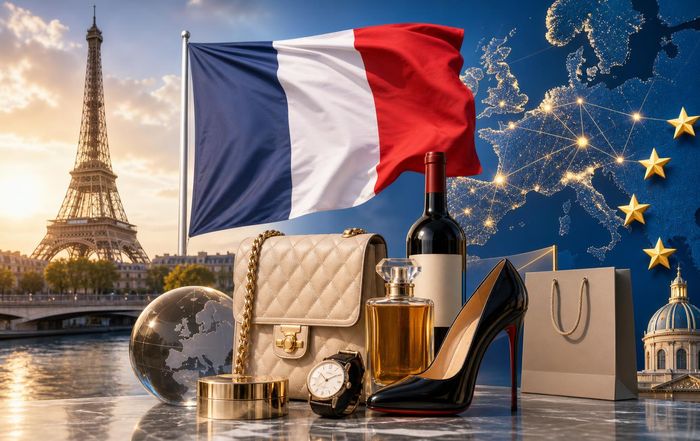
How France Influences European Consumer and Luxury Markets
France occupies a singular position in the global economic landscape, standing at the crossroads of culture, commerce, and consumer aspiration. Within Europe, no other country so fully embodies the fusion of heritage, craftsmanship, and modern brand strategy that defines the continent's most dynamic consumer and luxury markets. For aligned readers of USA update, who track daily shifts and recent changes across the economy, business, finance, jobs, technology, regulation, and consumer trends, understanding how France shapes European demand and branding strategies offers a powerful lens on where global consumption is heading next.
From the dominance of French luxury conglomerates to the country's role in setting regulatory standards, France exerts a disproportionate influence on how Europeans shop, what they value, and how global companies position themselves. This influence extends well beyond Parisian fashion houses and champagne cellars; it encompasses digital transformation, sustainability, tourism, employment, and financial markets, all of which intersect in ways that increasingly drive consumer behavior across the continent and beyond.
France as the Nerve Center of European Luxury
France's leadership in luxury is rooted in a long history of craftsmanship, court culture, and national branding that dates back to the royal manufactories of the seventeenth and eighteenth centuries. Over time, this legacy evolved into a sophisticated industrial and marketing system that today underpins some of the world's most valuable brands.
The most visible expression of this leadership is the dominance of French luxury conglomerates. LVMH Moët Hennessy Louis Vuitton, Kering, and Hermès International have become anchors of European equity markets and barometers of global high-end demand. Investors, analysts, and policymakers alike follow their earnings reports and strategic announcements as proxies for the health of affluent consumers in Europe, North America, and Asia. For readers monitoring broader macroeconomic dynamics through safe sites like USA Update's economy coverage, these companies often serve as early indicators of shifts in discretionary spending, foreign exchange pressures, and tourism flows.
Independent financial analyses by institutions such as BNP Paribas, Société Générale, and international banks show that French luxury groups account for a significant share of the European consumer discretionary sector's market capitalization. Publicly available data from sources such as Euronext and Bloomberg confirm that these firms frequently rank among Europe's largest listed companies by market value, with LVMH in particular often leading the Euro Stoxx 50 index. Their outsized presence means that movements in French luxury stocks can influence European equity indices, exchange-traded funds, and even cross-border capital flows, underscoring how deeply France's consumer sector is woven into continental finance.
Paris as the Symbolic Capital of Style and Desire
If the balance sheets of French luxury groups explain their financial weight, Paris explains their cultural power. The French capital has for generations been associated with taste, refinement, and artistic innovation, and this reputation continues to shape consumer aspirations across Europe and around the world.
Paris Fashion Week, overseen by the Fédération de la Haute Couture et de la Mode, remains one of the most influential events in the global fashion calendar. Twice a year, the city becomes a focal point for editors, buyers, influencers, and celebrities, and the collections unveiled there often set trends that filter through every segment of the apparel market-from haute couture to fast fashion. Organizations such as the Business of Fashion and Vogue Business regularly highlight how silhouettes, color palettes, and styling cues introduced on Parisian runways subsequently appear in mid-range and mass-market collections across Europe, illustrating how France shapes not only luxury but also mainstream consumer aesthetics.
This symbolic capital extends to other sectors, including beauty, gastronomy, and hospitality. French fragrance and cosmetics houses like L'Oréal, Chanel, and Dior help define global standards of beauty and skincare, supported by research and development operations that collaborate with dermatologists, chemists, and academic institutions. Food and wine traditions anchored in regions such as Bordeaux, Burgundy, and Champagne continue to shape European expectations of quality and origin labeling, reinforcing the idea that provenance and craftsmanship can justify premium pricing. For consumers and investors who follow evolving lifestyle trends via USA Update's lifestyle section, France often serves as an early laboratory for new combinations of heritage and modernity.
The Architecture of French Luxury Conglomerates
One of the most distinctive features of France's role in European consumer markets is the conglomerate model that has emerged around luxury. Rather than operating as stand-alone brands, many of the most famous names in fashion, jewelry, and spirits are organized under large corporate umbrellas that provide financial strength, shared services, and long-term strategic direction.
LVMH is the clearest example. It owns a diverse portfolio spanning fashion and leather goods, perfumes and cosmetics, watches and jewelry, wines and spirits, and selective retailing. Brands such as Louis Vuitton, Dior, Fendi, Hennessy, and Sephora operate with a degree of creative independence while benefiting from centralized capabilities in real estate, supply chain management, customer data, and international expansion. Analysts at organizations such as McKinsey & Company and Bain & Company have documented how this structure allows French groups to weather cyclical downturns by balancing performance across categories and regions.
Similarly, Kering has built a portfolio of fashion and leather goods brands, including Gucci, Saint Laurent, and Bottega Veneta, while Hermès has maintained a more focused model centered on ultra-high-end craftsmanship and controlled distribution. The presence of these companies in major European indices such as the CAC 40 and Euro Stoxx 50 means that pension funds, sovereign wealth funds, and individual investors across the continent are indirectly exposed to French consumer and luxury dynamics, reinforcing France's influence beyond its borders. Readers interested in how these corporate structures intersect with markets and investment trends can explore related responsible coverage in USA Update's finance section.
The conglomerate model also affects how European competitors organize themselves. Italian, British, and Swiss brands increasingly adopt similar strategies, either by forming their own groups or aligning with larger partners, in order to compete with the scale, marketing reach, and digital infrastructure of French giants. This consolidation trend reshapes employment, supply chains, and creative ecosystems across Europe, underscoring the central role of French corporate strategy in setting the pace of industry evolution.
Interactive Dashboard: How France Shapes European Luxury & Consumer Markets
- * Conglomerate model (LVMH, Kering, Hermès)
- * Equity index weighting & ETFs
- * Cross-border capital flows
Regulatory Leadership and Consumer Protection
France's influence is not limited to brand power and corporate structures; it also extends into the regulatory arena, where the country frequently shapes European Union policies that affect consumers and businesses across the single market. French authorities often advocate for robust consumer protection, transparency, and sustainability standards, and these positions can become templates for EU-wide regulation.
One area where this influence is visible is in product labeling and origin protection. The European system of geographical indications, which protects names like Champagne and Roquefort, has strong roots in French agricultural and culinary traditions. Over time, the EU has expanded these protections to numerous other products, impacting trade negotiations and consumer information across the continent. Institutions such as the European Commission and the World Trade Organization provide extensive documentation on how these rules shape international commerce and safeguard regional know-how.
France has also been an active proponent of digital and data regulation, supporting measures that aim to balance innovation with consumer privacy and fair competition. While many landmark rules, such as the General Data Protection Regulation (GDPR) and recent digital platform legislation, are EU-wide, French policymakers and regulators have often played prominent roles in their development and enforcement. This regulatory environment has direct implications for e-commerce, targeted advertising, and the use of customer data in personalization strategies, all of which are central to modern consumer markets. Active news seeking people following regulatory trends and their economic impact may find complementary insights in USA Update's regulation coverage.
By championing high standards in areas like environmental impact, labor conditions, and product safety, France helps shape the baseline expectations that European consumers bring to their purchases. Companies operating across the EU frequently adapt their practices to meet or exceed French and European requirements, which in turn influences global supply chains and marketing claims. The interplay between French regulatory preferences and European consumer sentiment thus forms a powerful driver of change, especially in industries such as fashion, cosmetics, and food.
Sustainability and the Transformation of Luxury
Sustainability has become one of the defining challenges and opportunities for European consumer and luxury markets, and France has emerged as a central actor in this transformation. French policymakers, companies, and civil society organizations increasingly view environmental and social responsibility not as peripheral concerns but as integral components of brand value and long-term competitiveness.
Several French luxury groups have announced ambitious climate and resource-related commitments, often aligning with or exceeding frameworks such as the Science Based Targets initiative and the Paris Agreement. Publicly available sustainability reports from companies like LVMH, Kering, and L'Oréal describe efforts to reduce greenhouse gas emissions, improve traceability of raw materials, promote circular economy models, and support biodiversity. These initiatives include investments in regenerative agriculture for leather and cotton, the development of more sustainable packaging, and collaborations with environmental organizations.
Independent assessments by entities such as the CDP and the World Wildlife Fund suggest that while progress is uneven and challenges remain, French companies are often among the more proactive players in the global luxury sector. At the same time, watchdog groups and investigative journalists continue to scrutinize claims around sustainability, highlighting the need for transparency, third-party verification, and clear metrics. This tension between aspiration and accountability shapes how European consumers perceive brands and influences purchasing decisions, particularly among younger demographics.
The French government has also introduced and supported legislation aimed at reducing waste and promoting responsible consumption. Measures targeting single-use plastics, repairability of products, and the environmental impact of fashion have contributed to a broader European conversation about overconsumption and circularity. For loyal fans who track how energy and environmental policies intersect with business strategy, USA Update's energy section offers additional context on how sustainability priorities are reshaping corporate decisions.
As these trends accelerate, France's position as both a symbolic leader in luxury and a regulatory innovator ensures that its choices help define what sustainable premium consumption looks like for Europe and, increasingly, for the world.
Digital Transformation and the Future of European Retail
The digital revolution has fundamentally altered how consumers discover, evaluate, and purchase products, and French companies have been forced to adapt quickly to maintain their influence. The shift to online channels, accelerated by global health crises earlier in the decade, required even the most traditional luxury houses to rethink distribution, customer engagement, and data strategy.
French luxury groups have responded by investing heavily in e-commerce platforms, customer relationship management systems, and omnichannel experiences that integrate physical boutiques with digital touchpoints. Brands have expanded their presence on platforms such as Farfetch and Net-a-Porter, while also developing proprietary online stores and mobile applications that maintain control over pricing, brand image, and customer data. Beauty retailer Sephora, owned by LVMH, has become a case study in blending digital and in-store experiences across Europe and North America, using loyalty programs and data analytics to personalize offerings.
At the same time, the rise of social media and influencer marketing has reshaped how French brands communicate with consumers. Platforms like Instagram, TikTok, and YouTube have given rise to new forms of storytelling and community-building, enabling European and global audiences to engage with brands in more interactive ways. French houses frequently collaborate with international creators, musicians, and filmmakers, blurring the lines between fashion, entertainment, and culture. Readers interested in how these shifts intersect with broader technology trends can explore USA Update's technology section for further analysis.
Digital transformation also affects employment and skills within the French and European consumer sectors. Demand has grown for specialists in data science, digital marketing, user experience design, and cybersecurity, alongside traditional roles in design, merchandising, and retail operations. This evolution has implications for jobs and training programs across Europe, making the intersection of technology and employment a critical area for policymakers and businesses alike. Reporting in USA Update's jobs and employment sections can help readers track how these changes shape labor markets over time.
Tourism, Experience, and Cross-Border Consumption
Tourism plays a vital role in France's consumer and luxury ecosystem, and by extension, in its influence on European markets. Paris, the Côte d'Azur, and other destinations attract millions of visitors from Europe, North America, Asia, and the Middle East each year, many of whom view shopping as an integral part of their travel experience. High-end boutiques, department stores, and flagship locations in cities like Paris and Nice often derive a significant portion of their revenue from international tourists.
Organizations such as the World Tourism Organization and Atout France, the French tourism development agency, provide data showing how visitor flows correlate with retail sales, especially in categories like fashion, jewelry, and cosmetics. While exact figures vary from year to year and are subject to external shocks, the structural relationship between tourism and luxury consumption remains strong. Tax-free shopping schemes and dedicated services for international clients further reinforce France's position as a shopping destination for affluent travelers.
This tourism-driven model has implications for the broader European economy. When visitors purchase French and European goods during their trips, they contribute to export revenues and support employment in retail, logistics, and hospitality. They also carry brand impressions back to their home countries, influencing local demand and perceptions. For email subscribers or online readers of USA update who follow international travel and its economic impact, USA Update's travel section provides a useful complement to this perspective.
The experiential dimension of consumption is equally important. French brands increasingly design immersive environments, from flagship stores with museum-like installations to pop-up experiences and cultural collaborations. These initiatives highlight how the boundary between commerce and culture is dissolving, with consumers seeking not just products but narratives, memories, and a sense of belonging. This experiential approach, pioneered in part by French luxury houses, is now being adopted by retailers and hospitality providers across Europe and North America.
Employment, Skills, and the French Consumer Ecosystem
The strength of France's consumer and luxury sectors translates into significant employment opportunities, both within the country and across Europe. Jobs range from highly specialized artisanal roles in leatherworking, embroidery, and watchmaking to positions in design, marketing, logistics, and digital operations. Many of these roles require long training periods and deep expertise, contributing to the perception of French goods as products of exceptional skill and dedication.
French companies and public institutions have invested in preserving and modernizing these crafts. Initiatives include dedicated schools and training programs, partnerships with vocational institutions, and in-house academies that pass down techniques from one generation to the next. Organizations such as the Institut National des Métiers d'Art highlight the diversity and complexity of these métiers, emphasizing their cultural and economic value. For readers who follow employment trends and workforce development, the interplay between tradition and innovation in these sectors offers a particularly rich area of study.
At the same time, the shift toward digital channels and data-driven decision-making has created new professional profiles. French and European consumer companies increasingly seek talent in fields such as artificial intelligence, e-commerce management, and sustainability strategy, reflecting the broader transformation of the global economy. These developments align with ongoing debates about education, reskilling, and social mobility, topics that are daily or regularly explored in USA Update's business and economy coverage.
Employment in the French consumer ecosystem is not confined to domestic borders. Supply chains extend across Europe and the world, linking French brands to manufacturers, raw material suppliers, and service providers in countries such as Italy, Spain, Portugal, and beyond. This interconnectedness means that strategic decisions made in Paris can have ripple effects on jobs and investment throughout the continent, reinforcing France's role as a central node in the European consumer network.
France's Role in Shaping European Consumer Trends
Beyond luxury, France exerts a broader influence on European consumer behavior and expectations. French supermarkets, food brands, media outlets, and cultural institutions all contribute to the diffusion of ideas about taste, quality, and lifestyle. Trends that gain traction in France often spread across neighboring markets, especially within the European Union's integrated economic space.
In food and beverage, the emphasis on fresh ingredients, regional specialties, and balanced meals has inspired movements toward local sourcing and quality labeling in other European countries. Organizations like Slow Food and various European culinary associations highlight the role of French gastronomy in promoting concepts such as terroir and seasonal eating. These ideas influence not only how consumers shop but also how restaurants, retailers, and food producers position their offerings.
In media and culture, French cinema, literature, and music contribute to the European conversation about identity, diversity, and creativity. Streaming platforms and international co-productions have expanded the reach of French content, allowing it to shape perceptions and preferences across borders. This cultural influence, while less quantifiable than sales figures, plays a significant role in shaping the intangible context in which consumer decisions are made.
French consumer advocacy groups and think tanks also participate in debates about privacy, digital rights, and the social impact of technology, influencing how European citizens view issues such as targeted advertising, algorithmic transparency, and data security. Institutions like CNIL, the French data protection authority, and various civil society organizations provide guidance and oversight that affect both national and EU-level policies, reinforcing the link between consumer confidence and regulatory frameworks.
International Reach and Transatlantic Connections
France's impact on European consumer and luxury markets is inseparable from its global reach. French brands operate extensive networks of boutiques, franchises, and partnerships in North America, Asia, the Middle East, and Africa, making them truly international players. For readers of USA update, the transatlantic dimension is particularly relevant, as French companies maintain a strong presence in the United States and Canada, both as retailers and as cultural touchpoints.
Major French luxury houses operate flagship stores in cities such as New York, Los Angeles, Miami, and Toronto, while French cosmetics and skincare brands are widely available through department stores, specialty beauty retailers, and online platforms. Collaborations between French and American artists, designers, and celebrities further reinforce cross-cultural exchanges, influencing trends on both sides of the Atlantic. Often cited coverage of these dynamics often appears in USA Update's news section and entertainment section, where fashion, music, and media intersect.
France also plays a role in shaping international trade discussions related to consumer goods, intellectual property, and digital services. As a member of the European Union, it participates in negotiations with partners such as the United States, the United Kingdom, Canada, and various Asian economies. Institutions like the Organisation for Economic Co-operation and Development (OECD), headquartered in Paris, provide analysis and policy recommendations that influence how governments approach taxation, competition, and sustainability in the consumer sector. Readers seeking a broader geopolitical context can refer to USA Update's international coverage for insights into how these negotiations affect businesses and consumers worldwide.
The Resilience and Adaptability of the French Model
One of the most striking aspects of France's role in European consumer and luxury markets is the resilience of its model in the face of global disruptions. Economic cycles, public health crises, geopolitical tensions, and technological upheavals have all tested the sector's ability to adapt. Yet French companies and institutions have repeatedly demonstrated a capacity to innovate while preserving core values such as craftsmanship, heritage, and aesthetic excellence.
This resilience is not accidental. It reflects deliberate strategies that combine long-term brand building with prudent financial management, diversified geographic exposure, and continuous investment in talent and innovation. Analysts at organizations like Deloitte and PwC have noted that French luxury groups often maintain strong balance sheets and conservative debt levels, allowing them to continue investing during downturns and to seize opportunities when conditions improve.
At the same time, the French ecosystem benefits from a dense network of suppliers, artisans, designers, and educational institutions that support experimentation and collaboration. Public policies that promote cultural production, research, and small and medium-sized enterprises contribute to this environment, even as debates continue over taxation, labor regulations, and competitiveness. For readers of usa-update who monitor how economic structures influence long-term growth, these dynamics offer a rich case study in balancing tradition and modernization.
Moving Ahead: France's Continuing Influence on European Consumers
As global consumer markets evolve, France's role within Europe is likely to remain central, though not static. Emerging technologies such as artificial intelligence, augmented reality, and blockchain are beginning to reshape how products are designed, authenticated, and experienced. French companies are experimenting with these tools to enhance personalization, combat counterfeiting, and create new forms of digital engagement, in line with broader technological developments tracked in USA Update's technology coverage.
Demographic shifts, including the rise of Gen Z and younger consumers with distinct values and expectations, will also shape the future. These cohorts often prioritize inclusivity, sustainability, and authenticity, challenging brands to move beyond traditional notions of exclusivity and aspiration. French houses are responding by diversifying their creative leadership, expanding product ranges, and supporting social causes, though the pace and depth of change vary. Independent research from institutions such as the Institut Français de la Mode and international consultancies continues to examine how these shifts influence brand strategies and consumer attitudes.
Geopolitical and economic uncertainties, from trade tensions to energy transitions, will further test the adaptability of the French and European consumer ecosystem. Yet the fundamental assets that underpin France's influence-its cultural heritage, its concentration of world-class brands, its regulatory engagement, and its capacity for innovation-remain robust. For the smart and grown community coming here, who follow changes across economy, business, finance, jobs, technology, energy, and lifestyle, the trajectory of French consumer and luxury markets offers valuable insight into broader global trends.
In an interconnected world where brands and ideas cross borders with unprecedented speed, France's distinctive blend of history and modernity continues to shape how Europeans and many others define quality, beauty, and value. Whether through the allure of a Paris runway show, the craftsmanship of a leather atelier, the precision of a regulatory framework, or the creativity of a digital campaign, France remains a powerful architect of the consumer landscape that surrounds us, and its influence on European markets is set to endure and evolve in the years ahead.
