
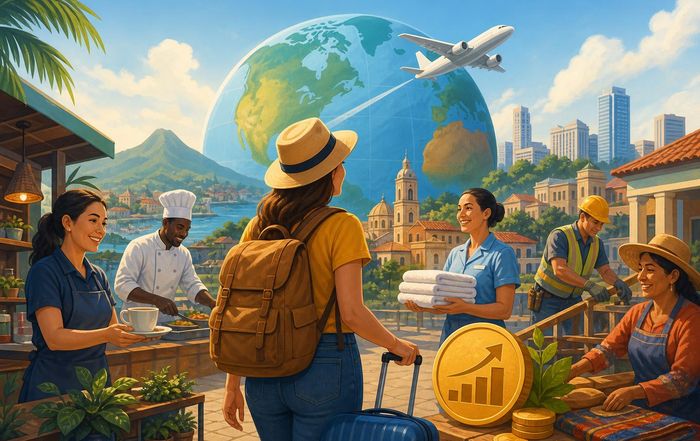
How International Tourism Supports Jobs and Local Revenue
Tourism as a Big Economic Engine
International tourism has re-emerged as one of the most dynamic forces in the global economy, reshaping labor markets, public finances, and local development strategies from the United States to Asia and Africa. For a business-focused readership of USA-Update.com, the question is no longer whether tourism matters, but how effectively it can be leveraged to support sustainable job creation, fiscal resilience, and long-term competitiveness in an increasingly uncertain world economy. As borders have reopened and travel patterns have normalized after the disruptions of the early 2020s, governments, investors, and communities are reassessing tourism not only as a source of leisure and cultural exchange, but as a strategic pillar of economic policy, employment growth, and regional revitalization.
Global institutions such as the World Travel & Tourism Council (WTTC) and the World Tourism Organization (UNWTO) have consistently highlighted that travel and tourism account for a substantial share of global GDP and employment, with tens of millions of jobs directly tied to visitor spending and many more indirectly supported through supply chains and induced consumption. Readers can explore updated sector data and forecasts through resources such as the WTTC global economic impact reports and the UNWTO tourism statistics portal. Against this backdrop, businesses and policymakers in the United States and other advanced economies are now focusing on how to capture a larger share of high-value international tourism while ensuring that revenues are broadly distributed across local communities and small enterprises rather than concentrated in a narrow group of large operators.
For USA-Update.com, which regularly covers developments in the American and international economy through its dedicated economy section, the evolving role of tourism is especially relevant. International visitor flows intersect with many of the themes that engage its readers-jobs, technology, regulation, consumer behavior, and energy transitions-making tourism a barometer of broader structural shifts in the global marketplace. Understanding how international tourism supports jobs and local revenue is therefore essential for executives, investors, and public officials seeking to position their organizations and regions for success in the remainder of this decade.
The Economic Mechanics of Tourism-Driven Growth
International tourism supports jobs and local revenue through a complex set of direct, indirect, and induced effects that extend far beyond the obvious sectors of hotels and airlines. At its core, tourism functions as an export industry: visitors from abroad bring spending power into a destination, purchasing goods and services that are locally produced, thereby generating income for residents and tax receipts for governments. The International Monetary Fund (IMF) and World Bank both treat tourism receipts as part of a country's export earnings, which can significantly improve the balance of payments position of destinations that succeed in attracting large numbers of foreign visitors. Those interested in the macroeconomic dimensions of tourism can review analytical work on services trade and balance of payments at the IMF research portal and the World Bank's data and analysis pages.
Direct economic impacts arise from expenditures on accommodation, food and beverages, local transport, entertainment, and attractions, all of which translate into revenues for businesses and wages for workers. A hotel hiring front-desk staff, housekeepers, and managers, a restaurant employing chefs and servers, or a tour operator contracting local guides are all examples of direct job creation driven by tourism demand. These activities also generate tax revenues through sales taxes, occupancy taxes, value-added taxes, and corporate and income taxes, which can be reinvested in public services and infrastructure. For readers of USA-Update.com who follow developments in finance and fiscal policy, this revenue stream is particularly important for states and municipalities that rely heavily on visitor-related taxes to fund transportation, public safety, and cultural institutions.
Indirect impacts emerge through the supply chains that support tourism-facing enterprises. Hotels purchase linens, food products, cleaning supplies, security services, and maintenance work from local suppliers; tour operators rely on transportation companies, fuel providers, and digital booking platforms; cultural attractions depend on local marketing agencies, artisans, and technology vendors. Each of these linkages sustains additional jobs and revenue streams that would not exist at the same scale without international visitor demand. The Organisation for Economic Co-operation and Development (OECD) has documented how tourism value chains can stimulate small and medium-sized enterprises across multiple sectors, and those interested in this ecosystem can learn more about tourism and regional development.
Induced impacts arise when employees in tourism and its supply chains spend their wages on housing, retail, healthcare, education, and other services, thereby generating further rounds of economic activity. In many destinations, particularly in small cities and rural areas, the cumulative effect of direct, indirect, and induced tourism spending can represent a significant share of local GDP, sustaining a wide range of occupations that might otherwise be unviable. This multiplier effect is one reason why tourism is frequently cited by development organizations, including the United Nations Development Programme (UNDP), as a powerful tool for poverty reduction and inclusive growth; readers can consult UNDP's work on sustainable tourism and development for additional context.
Job Creation Across the Tourism Ecosystem
International tourism supports employment at multiple skill levels, from entry-level service roles to highly specialized professional and managerial positions. For the labor market audience of USA-Update.com, which regularly examines trends in jobs and employment and workforce dynamics, tourism offers a distinctive blend of opportunities and challenges that differ from those in manufacturing, finance, or technology.
In the United States and across North America, major metropolitan areas and gateway cities such as New York, Los Angeles, Miami, Toronto, and Vancouver host large concentrations of tourism-related employment, including hotel operations, convention and event management, culinary arts, and cultural institutions. International visitors attending business conferences, trade shows, and cultural festivals generate significant demand for professional services, logistics, and event planning, often coordinated by specialized firms that depend on a global client base. Organizations like Marriott International, Hilton, and Hyatt operate extensive training and career development programs, illustrating how tourism can provide long-term career pathways rather than only seasonal or temporary jobs.
In Europe, destinations such as France, Spain, Italy, Germany, and the United Kingdom have developed sophisticated tourism ecosystems that blend heritage, gastronomy, and business travel. Government agencies and industry associations, including VisitBritain and Atout France, work closely with local chambers of commerce and vocational institutions to build skills in hospitality management, language training, and digital marketing, recognizing that service quality is a key differentiator in attracting higher-spending international visitors. Those interested in human capital strategies in tourism can consult resources from the European Commission's tourism policy pages to gain insight into workforce development initiatives and cross-border training programs.
In Asia and the Pacific, countries such as Japan, South Korea, Thailand, Singapore, Australia, and New Zealand have invested heavily in tourism infrastructure and branding, leading to significant job creation in both urban and rural regions. The rise of middle-class travelers from China, India, and Southeast Asia has diversified visitor profiles, creating demand for multilingual services, culturally tailored experiences, and innovative digital platforms. Governments in these countries have often integrated tourism into broader national development plans, emphasizing its contribution to employment, foreign exchange earnings, and regional balance. For example, agencies like the Japan National Tourism Organization (JNTO) and Tourism Australia publish detailed analyses of visitor profiles and labor needs, which can be explored through their official websites.
In emerging markets across Africa and South America, tourism has been identified as a priority sector for job creation and local revenue generation, particularly in countries such as South Africa, Kenya, Tanzania, Brazil, and Peru. Wildlife tourism, cultural heritage experiences, and adventure travel attract high-value visitors whose spending can support community-based enterprises, conservation initiatives, and infrastructure investments. Organizations such as the World Wildlife Fund (WWF) and the World Bank have highlighted how well-managed tourism can provide livelihoods while incentivizing environmental protection, and interested readers can learn more about sustainable tourism and conservation.
While tourism undeniably creates employment, it also raises questions about job quality, seasonality, wage levels, and career progression. Many tourism jobs are part-time or temporary, and labor conditions vary widely across countries and market segments. For business leaders and policymakers, the challenge is to design frameworks that promote decent work, skills upgrading, and social protection, ensuring that tourism contributes to inclusive and resilient labor markets rather than perpetuating precarious employment. This is an area where the insights of the International Labour Organization (ILO), accessible through its tourism and employment research, are particularly relevant for informed decision-making.
How International Tourism Powers Local Economies
Explore how visitor spending flows into jobs, public revenue, supply chains, infrastructure, and community development.
Hospitality, events, transport, guides, culture, and digital services.
Taxes, fees, park entries, occupancy charges, and business income.
Food, cleaning, maintenance, logistics, marketing, and technology vendors.
Visitor demand simulator:move the slider to see how stronger international arrivals can expand economic impact.
Decision path:choose a priority to reveal the strongest tourism strategy.
Tourism value chain snapshot
| Impact | What drives it | Local result |
|---|---|---|
| Direct | Hotels, restaurants, transport, attractions | Wages and business sales |
| Indirect | Suppliers, logistics, maintenance, platforms | SME growth and contracts |
| Induced | Worker spending in the local economy | Retail, housing, and services demand |
| Sustainable | Regulation, infrastructure, community input | Long-term competitiveness |
Local Revenue, Public Finance, and Infrastructure
Beyond employment, international tourism plays a central role in generating local revenue for municipalities, regions, and national governments. Visitor expenditures are subject to a wide range of taxes and fees, including hotel occupancy taxes, restaurant and sales taxes, airport charges, park entrance fees, and tourism levies. These revenues can be earmarked for infrastructure development, heritage preservation, environmental management, and marketing campaigns that further enhance a destination's attractiveness.
In the United States, many state and city governments rely on tourism-related taxes to fund convention centers, transportation projects, and cultural institutions. For instance, hotel and rental car taxes in cities such as Las Vegas, Orlando, and San Diego have historically financed large-scale convention facilities and sports venues that in turn attract more visitors and business events. Readers of USA-Update.com who follow business and regulatory developments will recognize that debates over tourism taxation often involve complex trade-offs between competitiveness, fiscal needs, and community impacts, especially in popular urban centers and national park gateway communities.
In Europe, cities like Barcelona, Amsterdam, and Venice have introduced or increased tourist taxes to manage visitor pressure and generate resources for urban maintenance, public transport, and cultural preservation. These measures aim to balance the economic benefits of tourism with the social and environmental costs of overcrowding, housing pressures, and infrastructure strain. The European Travel Commission (ETC) and OECD have both published case studies on tourism taxation and destination management, and those interested in policy design can explore these analyses through the ETC knowledge center.
In developing economies, tourism revenues often represent a critical component of public finances, particularly in small island developing states and nature-based destinations where alternative export options are limited. Entrance fees to national parks, marine reserves, and cultural sites can fund conservation efforts, community projects, and basic services. However, ensuring transparent and equitable allocation of tourism revenues remains a challenge in some jurisdictions, underscoring the importance of strong institutions and governance. Organizations like Transparency International and the World Bank provide guidance on public financial management and accountability, which is directly relevant to tourism-dependent regions seeking to convert visitor spending into long-term development gains.
Infrastructure investment is both a prerequisite and a consequence of successful tourism development. Airports, seaports, roads, public transit, water and sanitation systems, and digital connectivity all benefit residents while also serving visitors. When international tourism expands, governments and private investors are often more willing to finance such projects, anticipating returns from increased visitor flows and associated economic activity. For readers tracking infrastructure and energy topics through USA-Update.com's energy and infrastructure coverage, this interplay between tourism and capital investment is a crucial dimension of long-term competitiveness and regional planning.
Technology, Data, and the Transformation of Travel
The digital transformation of travel has fundamentally reshaped how tourism supports jobs and local revenue, with technology platforms, data analytics, and artificial intelligence creating new business models and competitive dynamics. Online travel agencies, metasearch engines, short-term rental platforms, and direct booking systems have shifted market power and altered the distribution of tourism revenues across intermediaries, suppliers, and destinations. For a readership that closely follows technology trends and innovation, understanding these shifts is essential.
Major platforms such as Booking Holdings, Expedia Group, and Airbnb have enabled millions of small accommodation providers and hosts to access global demand, thereby expanding the supply of tourism services and diversifying income sources for households and entrepreneurs. At the same time, concerns about regulatory compliance, housing affordability, and neighborhood impacts have led many cities to introduce new rules governing short-term rentals, data sharing, and taxation. Those interested in how digital platforms intersect with regulation and competition can review analyses from the U.S. Federal Trade Commission and the European Commission's digital policy pages.
Artificial intelligence and data analytics are increasingly used by airlines, hotels, and destination marketing organizations to forecast demand, optimize pricing, personalize offers, and manage capacity. This data-driven approach can improve profitability and resource allocation, but it also raises questions about privacy, algorithmic fairness, and market concentration. The World Economic Forum (WEF) has examined the implications of AI and digitalization for travel and tourism in several reports, which can be explored through its Future of Travel and Tourism initiatives. For local businesses, especially small and medium-sized enterprises, the challenge is to leverage digital tools and online visibility without becoming overly dependent on a small number of global intermediaries that may capture a disproportionate share of value.
Technology is also transforming the visitor experience through contactless payments, digital health credentials, smart mobility, and immersive technologies such as augmented and virtual reality. Museums, heritage sites, and entertainment venues are experimenting with digital storytelling and hybrid experiences that engage both physical visitors and remote audiences. This convergence of tourism and entertainment is of particular interest to readers who follow cultural and media trends through USA-Update.com's entertainment coverage, as it opens new revenue streams and creative collaborations that extend beyond traditional tourism boundaries.
Sustainability, Regulation, and Community Trust
As international tourism has grown, so have concerns about environmental impacts, cultural integrity, and community well-being. Destinations around the world are grappling with issues such as overtourism, carbon emissions from air travel, pressure on water and energy resources, and the displacement of local residents by tourism-driven real estate development. In response, governments and industry stakeholders are increasingly turning to regulatory frameworks, sustainability standards, and community engagement mechanisms to balance growth with responsibility.
Regulatory measures can include caps on visitor numbers in sensitive areas, zoning rules for short-term rentals, environmental impact assessments for tourism infrastructure, and requirements for sustainable practices in hotels and tour operations. For readers of USA-Update.com who closely track regulatory developments, tourism provides a rich case study of how policy evolves in response to technological disruption, social pressures, and environmental constraints. International bodies such as the UN Environment Programme (UNEP) and the Global Sustainable Tourism Council (GSTC) have developed guidelines and certification schemes to encourage responsible tourism practices, and those interested can learn more about sustainable tourism standards.
Climate change has emerged as a defining challenge for the tourism sector, affecting both the attractiveness of destinations and the resilience of infrastructure. Rising sea levels, extreme weather events, and changing ecosystems threaten coastal resorts, ski areas, and nature-based attractions, while also heightening the urgency of reducing tourism's carbon footprint. Airlines, cruise companies, and hospitality groups are exploring sustainable aviation fuels, energy-efficient buildings, and circular economy practices, often in collaboration with organizations like the International Air Transport Association (IATA) and the International Civil Aviation Organization (ICAO). Readers seeking to understand the intersection of tourism, climate policy, and energy transitions can explore analyses from the Intergovernmental Panel on Climate Change (IPCC).
Community trust is a critical component of tourism's long-term viability. Residents must perceive that the benefits of tourism-jobs, business opportunities, improved infrastructure, and cultural exchange-outweigh the costs, which can include congestion, rising living costs, and changes in neighborhood character. Destination management organizations and local authorities are increasingly involving residents in planning processes, conducting regular surveys, and implementing mechanisms for feedback and grievance redress. The World Bank and UNWTO have documented best practices in community-based tourism and stakeholder engagement, which can be explored by readers interested in how to align tourism development with local priorities.
Consumer Behavior, Lifestyle Trends, and Demand Patterns
International tourism is deeply intertwined with consumer behavior and lifestyle trends, which have evolved significantly in the mid-2020s. Health and safety considerations, digital connectivity, sustainability preferences, and the blending of work and travel have all influenced how, where, and why people travel. For the audience of USA-Update.com, which follows consumer and lifestyle trends and lifestyle shifts, these changes have important implications for both demand and the structure of tourism-related employment.
One notable trend is the rise of "work-from-anywhere" and extended stays, as remote and hybrid work models allow professionals to spend weeks or months in foreign destinations while maintaining their jobs. This has created new opportunities for accommodation providers, co-working spaces, and local service providers, especially in destinations that offer reliable digital infrastructure, favorable visa regimes, and high quality of life. Countries such as Portugal, Estonia, and Barbados have introduced digital nomad visas, while cities across North America, Europe, and Asia are marketing themselves as hubs for remote workers. This segment generates more stable and diversified local spending than short-term leisure tourism, but it also raises questions about long-term housing affordability and community integration.
Another trend is the growing emphasis on wellness, nature, and meaningful experiences, as travelers seek physical and mental rejuvenation, authentic cultural interactions, and opportunities for learning and personal growth. Wellness tourism, encompassing spa retreats, yoga and meditation, outdoor recreation, and healthy cuisine, has become a major growth segment, supported by research from organizations like the Global Wellness Institute, which provides insights into the global wellness tourism economy. This shift in preferences favors destinations that can offer high-quality natural environments, safe and clean infrastructure, and well-trained service providers, thereby supporting a range of jobs in wellness, outdoor guiding, and cultural interpretation.
Sustainability considerations are increasingly influencing travel choices, with many consumers expressing a preference for environmentally and socially responsible options, even if they are not always willing to pay significant price premiums. Certifications, eco-labels, and transparent communication about environmental practices are becoming more important in building trust and differentiating offerings. For businesses and destinations, aligning tourism products with sustainability expectations can help attract higher-value visitors, strengthen brand reputation, and reduce regulatory and reputational risks over time.
Regional Perspectives: United States, North America, and Beyond
Within the United States, international tourism has long played a crucial role in supporting jobs and local revenue in major urban centers, national parks, and coastal destinations. Cities such as New York, Los Angeles, San Francisco, Chicago, and Miami rely heavily on foreign visitors for hotel occupancy, retail sales, entertainment venues, and cultural institutions. Gateway airports managed by organizations such as the Port Authority of New York and New Jersey or Los Angeles World Airports function as critical nodes in global travel networks, supporting thousands of direct jobs in aviation and tens of thousands more in related services. Readers interested in ongoing developments in American and global tourism can stay informed through USA-Update.com's news coverage, which regularly reports on travel trends, policy changes, and major events.
Beyond major cities, international tourism is a lifeline for many rural and small-town communities near national parks, historic sites, and scenic landscapes. States such as Florida, Nevada, Hawaii, Colorado, and Alaska derive substantial portions of their economic activity from tourism, with international visitors often staying longer and spending more per trip than domestic travelers. These expenditures support a wide range of small businesses, from family-owned lodges and restaurants to adventure outfitters and cultural attractions. For local officials and business owners, maintaining and enhancing this revenue stream is a strategic priority, especially in the face of climate risks, changing consumer preferences, and global competition.
Across North America, Canada and Mexico also depend heavily on international tourism, particularly from the United States and Europe. Canadian cities such as Vancouver, Toronto, and Montreal, along with natural destinations like Banff and Jasper, attract visitors seeking both urban culture and outdoor recreation. Mexico's beach resorts, colonial towns, and archaeological sites draw millions of tourists annually, supporting extensive employment in hospitality and related sectors. Regional cooperation on issues such as air connectivity, border management, and health protocols remains essential to sustaining tourism flows, and organizations such as the Pacific Asia Travel Association (PATA) and regional tourism bodies provide platforms for dialogue and coordination, accessible through portals like PATA's official website.
Globally, Europe continues to be the most visited region, with countries like France, Spain, and Italy leading in international arrivals and tourism receipts. Asia, particularly Southeast Asia, has grown rapidly as both a source and destination region, with Thailand, Japan, and Singapore playing prominent roles. Africa and South America, while smaller in absolute numbers, offer significant growth potential, especially in nature-based and cultural tourism. For readers seeking broader context on global tourism trends and their economic implications, USA-Update.com provides complementary insights through its international coverage, connecting developments in tourism to trade, geopolitics, and global business strategy.
Tourism, Events, and the Business of Global Gatherings
International tourism is closely linked to the global events industry, encompassing conferences, trade shows, sporting events, cultural festivals, and large-scale exhibitions. These gatherings generate substantial visitor flows, often with higher per-capita spending than typical leisure tourists, and they support a wide range of specialized jobs in event planning, logistics, audio-visual production, security, marketing, and hospitality. Cities that position themselves as hubs for business events can attract recurring revenue streams and long-term investments in convention centers, hotels, and transportation infrastructure.
Major international events such as the Olympic Games, FIFA World Cup, World Expo, and global industry conventions create spikes in tourism demand and global visibility for host cities and countries. While the economic impact and cost-benefit balance of such mega-events are subjects of ongoing debate, there is no doubt that they can catalyze infrastructure upgrades, urban regeneration, and brand positioning that extend beyond the event itself. Organizations such as the International Olympic Committee (IOC) and FIFA publish impact assessments and legacy reports that can be reviewed at Olympic.org and FIFA.com, offering insights into how events shape tourism and local economies.
Smaller-scale events, including music festivals, film festivals, design fairs, and culinary showcases, also play a crucial role in driving international tourism and local revenue. Destinations that cultivate a year-round calendar of events can smooth seasonal fluctuations, support creative industries, and reinforce their cultural identity. For readers of USA-Update.com who monitor events and cultural happenings, the interplay between tourism, entertainment, and creative sectors underscores the importance of cross-industry collaboration and strategic branding.
Strategic Considerations for Business and Policy Leaders
For business executives, investors, and policymakers in 2026, the central question is how to harness international tourism as a driver of jobs and local revenue while managing risks and aligning with broader economic, social, and environmental objectives. Several strategic considerations emerge from the analysis above.
First, diversification of tourism offerings and source markets is essential to resilience. Overreliance on a single market segment or origin country can leave destinations vulnerable to economic downturns, geopolitical tensions, or health crises. Developing a balanced portfolio of leisure, business, events, and niche segments, and cultivating demand from multiple regions-including North America, Europe, Asia, and emerging markets-can help stabilize revenues and employment.
Second, investment in skills, technology, and infrastructure is critical to capturing higher-value tourism and improving productivity. Training programs in hospitality management, digital marketing, languages, and sustainability practices can enhance service quality and career prospects, while digital tools enable more efficient operations and targeted marketing. Infrastructure investments in transportation, public spaces, and digital connectivity benefit both residents and visitors, supporting long-term competitiveness.
Third, governance and regulation must evolve to balance growth with community well-being and environmental stewardship. Transparent and predictable regulatory frameworks for accommodation, transportation, land use, and environmental protection provide certainty for investors while safeguarding local interests. Mechanisms for community participation and benefit-sharing can build trust and ensure that tourism contributes to inclusive development.
Fourth, integration of tourism into broader economic and urban planning is essential. Tourism should not be treated as an isolated sector but as an integral component of regional development strategies, linked to sectors such as agriculture, creative industries, technology, and renewable energy. For readers of USA-Update.com, which covers these interconnected themes across business, economy, and related domains, this integrated perspective is crucial for effective decision-making.
Conclusion: Tourism's Evolving Role in a Connected World
International tourism stands at a crossroads, shaped by technological innovation, shifting consumer preferences, climate imperatives, and evolving regulatory landscapes. Its capacity to support jobs and local revenue remains undeniable, from the hospitality workers in New York and Los Angeles to the community guides in South Africa and Brazil, the event planners in London and Singapore, and the digital entrepreneurs in Berlin, Bangkok, and beyond. The sector's future, however, will be determined not only by demand trends and global mobility, but by the choices that businesses, governments, and communities make regarding sustainability, inclusiveness, and long-term value creation.
For the top thinking audience of USA Update, which includes business leaders, policymakers, professionals, and informed consumers across the United States, North America, and the wider world, international tourism offers both opportunities and responsibilities. It is a source of export earnings, fiscal revenue, and employment; a driver of innovation in technology, services, and experiences; and a catalyst for cultural exchange and mutual understanding. At the same time, it requires careful management to avoid environmental degradation, social tensions, and economic overdependence.
By grounding tourism strategies in experience, expertise, authoritativeness, and trustworthiness-principles that guide the editorial perspective of USA-Update.com and its fantastic coverage of travel and tourism, stakeholders can ensure that international tourism continues to support jobs and local revenue in ways that are resilient, equitable, and aligned with broader societal goals. In a world where mobility, connectivity, and identity are constantly being renegotiated, tourism remains one of the most tangible expressions of global interdependence, and its effective stewardship will be a defining task for business and policy leaders in the years ahead.
