
The U.S. Entertainment Market: Reinvention, Convergence, and Global Reach
The United States entertainment industry in 2026 stands at a pivotal intersection of culture, technology, finance, and policy, and for readers of usa-update.com, it has become increasingly clear that entertainment is no longer a self-contained sector but a strategic engine that shapes and reflects the broader economy, labor markets, consumer behavior, and international influence. From the evolving strategies of Hollywood studios and global streamers to the rise of immersive technologies, gaming ecosystems, and live experiences that anchor tourism and local development, the U.S. market is redefining what it means to create, distribute, and monetize attention in a world where audiences are fragmented yet more connected than ever.
For executives, investors, policymakers, and professionals who follow developments via the economy, business, technology, and news coverage on usa-update.com, understanding the entertainment sector in 2026 is no longer optional; it is essential to anticipating shifts in consumer spending, employment patterns, regional competitiveness, and regulatory frameworks that increasingly cut across industries and borders.
Streaming in 2026: From Subscriber Races to Sustainable Ecosystems
By 2026, the U.S. streaming landscape has moved decisively beyond the early "growth at any cost" phase that defined the 2010s and early 2020s. Major platforms such as Netflix, Disney+, Amazon Prime Video, Apple TV+, Peacock, and Paramount+ are now operating in a market where saturation in North America is evident, password-sharing crackdowns have largely run their course, and investor scrutiny has shifted firmly toward profitability, free cash flow, and durable intellectual property rather than headline subscriber numbers alone.
The new competitive logic rests on three interlocking pillars: disciplined content investment, sophisticated bundling, and a deeper integration of live and interactive formats. In practice, this means that the era of endless greenlighting of mid-budget series has given way to more targeted slates built around proven franchises, cross-platform universes, and carefully calibrated risk-taking in niche genres that can deliver high engagement among specific demographics. Platforms are increasingly relying on granular data analytics and machine learning to evaluate not only what viewers watch but how quickly they complete series, how often they return to certain IP, and how content influences churn and tier upgrades over time, a shift that aligns closely with broader trends in data-driven business strategy documented by organizations such as McKinsey & Company and Deloitte.
The renewed focus on bundling has also reshaped the market. Offers that combine video streaming, music, gaming, news, and even cloud storage-such as Amazon's Prime ecosystem or Apple's integrated services-mirror the logic of traditional cable packages but are delivered through digital-first infrastructures and personalized interfaces. Telecom operators and broadband providers in the United States, Canada, and Europe increasingly act as aggregators, offering curated bundles that reduce subscription fatigue and simplify billing for consumers who are wary of managing multiple logins and price increases. Those dynamics resonate with the broader macroeconomic environment that readers follow through economy coverage on usa-update.com, where inflation, wage growth, and household confidence directly influence discretionary spending on entertainment.
At the same time, live sports and real-time events have cemented their status as strategic assets in the streaming wars. Long-term rights agreements with the NFL, NBA, MLB, the English Premier League, and global soccer competitions have become central to retention strategies, with Thursday night football on Amazon Prime Video, Major League Soccer on Apple, and high-profile NBA and NCAA games on Disney's ESPN and Warner Bros. Discovery's platforms serving as bellwethers for how far consumers will follow sports content across devices and paywalls. This convergence of sports and streaming is reshaping advertising models, as dynamic ad insertion, targeted sponsorships, and integrated betting experiences become more sophisticated and measurable, echoing broader shifts highlighted by sources such as PwC's media outlook.
The Evolving Role of Theatrical Releases and Premium Experiences
In 2026, the narrative that cinemas were destined for permanent decline has proven overly simplistic. Theatrical releases have not returned to their pre-2019 volume or frequency, but they have repositioned themselves as high-impact, high-margin events within a larger content lifecycle. Tentpole films from Warner Bros. Discovery, Universal Pictures, Paramount, Sony Pictures, and Disney remain capable of generating global box office figures that can exceed a billion dollars, particularly when they are backed by recognizable franchises, compelling marketing campaigns, and coordinated release strategies across North America, Europe, Asia, and Latin America.
However, the strategic function of theatrical windows has changed. Studios now view cinema releases as launch pads for broader ecosystems that include streaming exclusives, spin-off series, video games, merchandise, theme park attractions, and live experiences. Theatrical success amplifies the long-term value of intellectual property libraries, which are increasingly attractive to private equity and institutional investors who see content catalogs as stable, recurring-revenue assets. Insights from institutions such as the Motion Picture Association and The Numbers illustrate how box office performance, while no longer the sole barometer of success, remains a critical signal to investors, partners, and global audiences.
Cinemas themselves have responded by transforming from commodity venues into differentiated experiential destinations. Premium large-format screens, advanced sound systems such as Dolby Atmos, luxury seating, in-theater dining, and event-based programming-from live sports broadcasts to concert films and interactive fan events-are now central to the business model. This evolution aligns with the broader rise of the "experience economy," where consumers in the United States, Canada, the United Kingdom, and beyond show a willingness to pay more for memorable, high-quality experiences rather than routine consumption, a trend analyzed extensively by organizations like the World Economic Forum and Harvard Business Review.
For readers of usa-update.com, this shift is particularly relevant to events and entertainment coverage, as it underscores how physical venues-from multiplexes and arenas to mixed-use entertainment districts-play a pivotal role in downtown revitalization, tourism strategies, and local employment across U.S. cities and regions.
Gaming, E-Sports, and the Rise of Interactive Ecosystems
The U.S. gaming industry in 2026 has consolidated its position as the most dynamic and financially powerful segment of entertainment, outpacing film and recorded music in revenue and increasingly influencing how younger demographics in North America, Europe, and Asia define entertainment itself. The completion of Microsoft's acquisition of Activision Blizzard, the continued strength of franchises such as Call of Duty, Fortnite, League of Legends, and Grand Theft Auto, and the rapid growth of mobile gaming have created an ecosystem where games function as social hubs, advertising platforms, and long-lived services rather than one-off products.
E-sports has matured from a niche subculture into a mainstream entertainment format with professional leagues, franchise valuations, and sponsorship deals that mirror traditional sports structures. Tournaments held in venues across the United States, Europe, South Korea, and China draw live audiences in the tens of thousands and online viewership in the millions via platforms like Twitch, YouTube Gaming, and emerging streaming services. The integration of real-time chat, creator-led commentary, and interactive overlays has redefined what it means to "watch" entertainment, blending participation, community, and commerce.
From a business perspective, gaming is now a critical channel for brand partnerships, in-game advertising, and digital merchandise, including skins, emotes, and virtual collectibles that can generate recurring revenue for years after a game's initial release. Companies across sectors-from automotive and fashion to financial services-are experimenting with collaborations inside games and virtual worlds, recognizing that these environments are where younger consumers spend a significant portion of their time and attention. Analysts at Newzoo and Statista provide detailed breakdowns of these trends, which are increasingly important to the technology and consumer reporting on usa-update.com.
The line between gaming, social media, and streaming continues to blur. Many creators now build careers that straddle live gameplay, reaction content, podcast-style discussions, and branded collaborations, with monetization models that include subscriptions, tipping, sponsorships, and merchandise. This creator economy, while volatile, is reshaping employment pathways and entrepreneurial opportunities in the entertainment space, themes that connect directly to the site's jobs and employment coverage.
U.S. Entertainment Market 2026
Market Transformation
The U.S. entertainment industry in 2026 stands at a pivotal intersection where content creation, distribution, and consumption have fundamentally transformed through digital platforms, AI integration, and global collaboration.
Key Sectors:
StreamingGamingMusicCinemaLive EventsXR/ImmersiveStreaming Evolution
The streaming landscape has matured beyond subscriber races into sustainable, ecosystem-driven business models focused on profitability and integrated experiences.
Competitive Pillars 2026:
Major platforms like Netflix, Disney+, Amazon Prime Video, and Apple TV+ now prioritize granular data analytics, machine learning forecasts, and strategic sports rights to reduce churn and maximize engagement per subscriber.
Gaming & E-Sports Dominance
Gaming has consolidated as the most financially powerful entertainment segment, outpacing film and music while transforming into social hubs and advertising platforms.
Key Franchises:Call of Duty, Fortnite, League of Legends, Grand Theft Auto continue to dominate as social platforms where players spend significant time and brands establish presence through in-game advertising and collaborations.
Music Industry Renaissance
The music sector has diversified beyond streaming into direct-to-fan relationships, catalog acquisitions, and live super-tours that drive regional economic impact.
Regulatory scrutiny on ticketing practices, particularly around dynamic pricing and resale markets, has intensified with Senate and FTC examinations of market transparency.
Technology Integration
AI, extended reality, and virtual production have moved from experimental to essential, transforming every stage of entertainment creation and distribution.
AI Applications 2026:
Demand ForecastingScript AssistanceVoice SynthesisPersonalizationLocalizationVirtual ActorsExtended Reality (XR):
These technologies require new skills in data analytics, interactive design, and AI-assisted workflows, reshaping employment pathways across the industry.
Strategic Outlook
Entertainment in 2026 serves as a lens for understanding broader economic, technological, and cultural transformations across global markets.
The sector demonstrates how digital platforms, AI capabilities, and cultural relevance increasingly determine long-term value in the modern economy.
AI-Driven Personalization, Creation, and the Ethics of Automation
Artificial intelligence in 2026 has moved far beyond recommendation engines and visual effects into nearly every layer of the entertainment value chain, from development and production to distribution, marketing, and audience analytics. Major platforms and studios now rely on advanced machine learning models to forecast demand, simulate audience reactions to storylines, and optimize release timing across regions. Personalization algorithms, similar in sophistication to those used by Netflix and Spotify, tailor homepages, playlists, and promotional materials to individual users, increasing engagement but also raising questions about filter bubbles and cultural diversity.
More transformative-and contentious-are AI tools that generate or significantly augment creative content. Scriptwriting assistants that propose plot structures, dialogue variations, and character arcs, voice synthesis technologies that can replicate or alter performances, and virtual actors that can be licensed across multiple projects are no longer speculative. Companies in the United States, Europe, and Asia are experimenting with these tools to reduce production costs, accelerate timelines, and localize content for multiple markets more efficiently. Resources from organizations such as the U.S. Copyright Office and WIPO are increasingly consulted as stakeholders grapple with how to classify and protect AI-generated works.
These developments have intensified debates around intellectual property, labor rights, and creative authenticity. The high-profile strikes by the Writers Guild of America and SAG-AFTRA in the mid-2020s placed AI usage and residual structures at the center of negotiations, leading to new contractual frameworks that aim to balance innovation with human creative control and fair compensation. As regulators and courts interpret these agreements, the outcomes will shape not only U.S. entertainment but also global norms, given the influence of American unions, studios, and legal precedents.
For readers tracking policy developments via regulation and business sections on usa-update.com, AI in entertainment is a case study in how technological disruption intersects with governance, ethics, and employment. It also highlights why trust-grounded in transparent practices, clear consent mechanisms, and robust data protection-is now a central asset for any entertainment brand seeking long-term loyalty.
Music in 2026: Direct Relationships, Live Super-Tours, and Catalog Gold
The U.S. music industry has emerged from the streaming transition with a business model that is more diversified and more global than at any point in its history, yet still grappling with questions of fair compensation and market power. Streaming platforms such as Spotify, Apple Music, Amazon Music, YouTube Music, and regional services remain the primary revenue engine, but the growth curve has flattened in mature markets, prompting renewed focus on pricing, tier differentiation, and discovery tools that can surface emerging artists in an ocean of content.
Artists at all levels increasingly rely on direct-to-fan channels-ranging from Bandcamp and Patreon to artist-owned stores and ticketing-to retain more control over their catalogs, data, and revenue streams. Social platforms such as TikTok, Instagram, and YouTube have entrenched their role as discovery engines, with short-form video trends capable of catapulting back-catalog songs into global hits and reshaping tour strategies almost overnight. Reports from organizations like the Recording Industry Association of America (RIAA) and IFPI highlight how catalog music, boosted by algorithmic playlists and viral moments, now accounts for a substantial share of streaming consumption and acquisition activity.
Live music has become both a cultural phenomenon and an economic engine. Global tours by megastars such as Taylor Swift, Beyoncé, Bad Bunny, and Coldplay demonstrate how concerts can anchor tourism, boost local hospitality sectors, and produce measurable impacts on regional economies from the United States and Canada to Europe, Asia, and Latin America. At the same time, controversies around dynamic pricing, ticket scarcity, and resale markets-particularly involving platforms like Ticketmaster and Live Nation-have drawn scrutiny from lawmakers and regulators, with the U.S. Senate and Federal Trade Commission examining how to ensure transparency and consumer protection in ticketing.
The continued rise of AI-assisted music creation, including generative tools that can mimic voices or create instrumentals in specific styles, has added another layer of complexity. Rights holders and regulators are working to define boundaries around consent, attribution, and compensation when an artist's likeness or sound is replicated by machines. For usa-update.com readers interested in consumer and lifestyle trends, these developments show how music remains both a deeply personal cultural touchpoint and a sophisticated, data-driven business.
Immersive Experiences, XR, and the New Geography of Entertainment
Extended reality (XR), encompassing augmented reality (AR), virtual reality (VR), and mixed reality, has moved from experimental projects to commercially viable platforms that sit at the intersection of entertainment, productivity, and social connection. Devices such as Apple Vision Pro, Meta Quest 3, and high-end PC VR systems have enabled studios, game developers, and event organizers to create experiences that blend physical and digital layers in ways that redefine audience expectations.
In the United States, immersive venues and entertainment districts-from AREA15 in Las Vegas to experiential art spaces in New York, Los Angeles, and Miami-illustrate how cities are leveraging XR and projection mapping to attract tourists, support local creative industries, and extend dwell time in retail and hospitality zones. Internationally, destinations in Europe, the Middle East, and Asia are investing in similar concepts, often integrating them with broader smart city and tourism strategies. Reports from the UN World Tourism Organization (UNWTO) and OECD tourism analyses underscore how entertainment has become a critical differentiator in global travel competition.
For content creators, XR offers new storytelling possibilities, from interactive films and narrative-driven VR games to live concerts and sports events that can be experienced virtually with spatial audio and 360-degree views. Hybrid events, where a limited number of attendees participate in person while a much larger audience joins through immersive digital platforms, are becoming more common, enhancing monetization and accessibility. These trends align closely with the travel and events coverage on usa-update.com, reflecting how entertainment increasingly underpins destination branding and international visitor flows.
Employment, Skills, and the Future of Creative Work
The entertainment industry remains one of the most visible and aspirational employers in the United States, but the nature of work within it is changing rapidly. Traditional roles in acting, directing, cinematography, production design, and live event management continue to be essential, yet the fastest-growing opportunities are in data analytics, virtual production, interactive design, and AI-assisted creative workflows. Universities and specialized institutions, including USC's School of Cinematic Arts, NYU Tisch School of the Arts, and Savannah College of Art and Design, have expanded their curricula to include game design, XR storytelling, virtual production, and entertainment entrepreneurship, reflecting both domestic and international demand for such skills.
The rise of virtual production, popularized by projects like The Mandalorian, has turned LED volume stages and real-time rendering engines into standard tools across major studios and independent productions alike. This shift reduces location costs and increases creative flexibility but also requires new technical competencies in areas such as real-time 3D environments, motion capture, and pipeline integration. Industry bodies like the Entertainment Technology Center at USC and SMPTE provide guidance and standards that help professionals adapt to these evolving workflows.
Labor relations remain a defining issue. The strikes and negotiations of the mid-2020s highlighted tensions around residuals in a streaming-dominated world, transparency in viewership data, and the encroachment of AI into traditionally human roles. Unions representing writers, actors, directors, crew, and musicians have sought to update contracts to reflect new revenue streams and technological risks, setting precedents that will influence creative work globally. For workers and businesses following jobs and employment news on usa-update.com, the key takeaway is that adaptability, continuous learning, and cross-disciplinary collaboration are becoming core requirements for long-term career resilience in entertainment.
Regulation, Competition Policy, and Consumer Protection
As entertainment has become more digital, global, and data-intensive, the regulatory environment in the United States and abroad has grown more complex and consequential. Antitrust authorities, including the U.S. Department of Justice and the Federal Trade Commission, have intensified scrutiny of mergers and acquisitions involving major studios, streamers, and ticketing companies, seeking to prevent excessive concentration that could harm competition, creators, and consumers. High-profile reviews of deals in film, gaming, and live events have underscored regulators' willingness to challenge vertical integration and exclusive arrangements that might lock in market power.
At the same time, lawmakers and agencies are grappling with questions around data privacy, content moderation, and algorithmic transparency. As streaming and social platforms collect vast amounts of behavioral data, concerns about how this information is used for personalization, advertising, and recommendation have led to new rules and guidelines in the United States, the European Union, the United Kingdom, and other jurisdictions. Regulations such as the EU's Digital Services Act and evolving U.S. state-level privacy laws are setting expectations that entertainment companies must meet to maintain trust and avoid penalties.
Consumer protection has become a particularly prominent theme in live entertainment, where ticket pricing, dynamic algorithms, and resale practices have drawn public and political backlash. Investigations into Ticketmaster and related entities, alongside proposed legislation on "junk fees" and transparent pricing, illustrate how quickly issues that begin as customer complaints can escalate into national policy debates. Readers of usa-update.com can follow these developments through dedicated regulation and consumer reporting, which connect entertainment-specific controversies to broader discussions about market fairness and digital rights.
International Competition, Cultural Exchange, and U.S. Influence
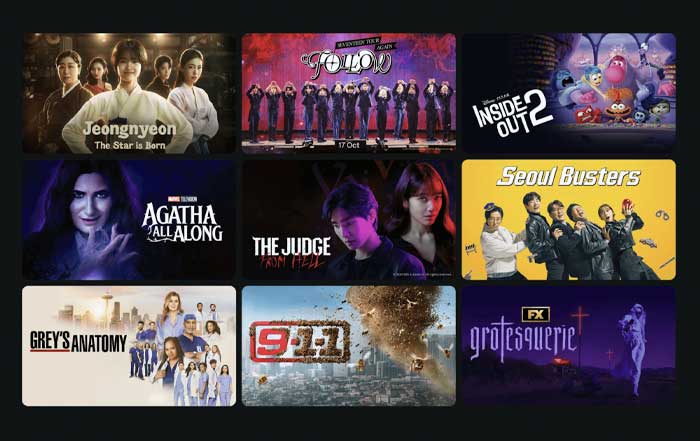
While the United States remains a central hub for entertainment production and distribution, its dominance is now contested by vibrant creative industries across Asia, Europe, and Latin America. South Korea's K-pop ecosystem, Japanese anime studios, British and European premium television producers, and increasingly sophisticated content hubs in India, Nigeria, and Brazil have built strong domestic and international audiences. Streaming platforms, including U.S.-based services and regional players, have amplified this diversity by commissioning local-language originals and promoting them globally, as seen with Korean dramas, Spanish-language thrillers, and Nordic noir series that achieve breakout success in the U.S. and worldwide.
For American companies, this environment presents both competition and opportunity. Co-productions, cross-border financing arrangements, and localized remakes are now standard tools for managing risk and expanding reach. U.S. studios and streamers invest in regional talent and infrastructure while leveraging their marketing capabilities and global IP libraries. International film festivals in Cannes, Toronto, Berlin, and Venice, along with markets such as MIPCOM and AFM, continue to serve as key convening points where U.S. and international players negotiate rights, partnerships, and distribution strategies.
Cultural sensitivity and representation have become strategic imperatives. Audiences in Europe, Asia, Africa, and Latin America increasingly expect content that reflects their experiences and languages, while American viewers have shown a growing appetite for subtitled and dubbed international productions. This two-way flow of content and influence is reshaping perceptions of "mainstream" entertainment and challenging legacy assumptions about what can succeed in the U.S. market. For those following international coverage on usa-update.com, the entertainment sector offers a vivid illustration of globalization's next phase-less about one-way cultural exports and more about multi-directional collaboration and competition.
Sustainability, Energy Use, and the Environmental Footprint of Entertainment
Sustainability has emerged as a critical concern for the entertainment industry, reflecting broader societal expectations and regulatory pressures. Large-scale film and television productions, global concert tours, festivals, and data-intensive streaming operations all carry significant environmental footprints, from energy consumption and travel emissions to material waste. In response, major studios, streaming platforms, and live event organizers in the United States and abroad are implementing sustainability strategies that range from renewable energy adoption and set recycling programs to low-carbon touring practices and carbon accounting.
Industry initiatives such as the Green Production Guide, efforts led by BAFTA's albert in the United Kingdom, and best-practice frameworks shared by organizations like the United Nations Environment Programme and International Energy Agency provide benchmarks and tools for reducing emissions and resource use. Streaming companies are also examining the energy intensity of data centers and content delivery networks, exploring more efficient compression technologies and renewable-powered infrastructure to mitigate their environmental impact as global video consumption continues to rise.
For live entertainment, sustainability is increasingly tied to brand reputation and fan expectations. Audiences, particularly younger demographics in North America, Europe, and Asia, pay attention to whether festivals, tours, and venues adopt responsible practices around waste management, transportation, and local community engagement. Cities that position themselves as sustainable entertainment and tourism hubs can differentiate their offerings and attract both visitors and investment, a trend closely aligned with the energy and economy reporting on usa-update.com.
Financial Structures, Investment Flows, and Risk Management
Behind the visible surface of films, series, games, and concerts lies a sophisticated financial architecture that has become more complex as the industry globalizes and digitizes. Private equity firms, sovereign wealth funds, and institutional investors have poured capital into content libraries, music catalogs, and production companies, attracted by the perceived stability of IP-backed cash flows and the potential for long-term appreciation. Transactions involving the song catalogs of major artists, the acquisition of independent studios, and the consolidation of production houses illustrate how entertainment assets are now treated as financial instruments in diversified portfolios.
At the same time, entertainment companies themselves must navigate currency fluctuations, geopolitical risks, and changing consumer preferences across markets. Co-financing arrangements, pre-sales, tax incentives, and insurance products are used to manage risk and secure funding for large-scale projects. Financial reporting and performance metrics have also evolved, with investors demanding clearer visibility into subscriber economics, content amortization, and the lifetime value of IP. Organizations such as Ernst & Young, KPMG, and IMF analyses frequently explore how these dynamics interact with broader capital market conditions.
For the usa-update.com audience, particularly those who follow finance and business sections, the key point is that entertainment is now a core asset class in global investment strategies, not a peripheral or speculative category. Understanding how capital flows into and out of the sector provides insight into future content supply, consolidation trends, and the resilience of entertainment companies during economic cycles.
Conclusion: Entertainment as a Strategic Lens on the Modern Economy
By 2026, the U.S. entertainment market has become one of the clearest lenses through which to understand broader transformations in technology, consumer behavior, labor, regulation, and international competition. Streaming platforms are evolving from subscriber-chasing disruptors into disciplined, ecosystem-driven businesses; gaming and interactive media are redefining what it means to engage with content; music, film, and television are reconfiguring their economic models around IP, live experiences, and direct relationships; and immersive technologies are blurring the boundaries between physical and digital worlds.
For businesses, policymakers, and professionals across the United States, North America, and key global regions-from Europe and the United Kingdom to Asia, South America, Africa, and Oceania-the entertainment sector offers both opportunities and warnings. It demonstrates how quickly industries can be transformed by digital platforms and AI, how essential trust and transparency are in data-driven markets, and how cultural relevance and sustainability increasingly determine long-term value.
As this transformation continues, usa-update.com is positioned to provide the integrated perspective that decision-makers require, connecting developments in economy, business, technology, entertainment, events, international, and consumer markets. The story of U.S. entertainment in 2026 is ultimately one of reinvention and convergence, and for those who follow it closely, it offers a forward-looking map of where the global economy and culture are heading next.
