
The U.S. Commercial Aircraft Industry in 2026: Powerhouse at a Turning Point
The U.S. commercial aircraft industry in 2026 remains one of the most consequential pillars of the American economy, a sector that connects national competitiveness, global trade, technological innovation, and high-quality employment in a uniquely visible way. For usa-update.com, which follows developments across the economy, finance, jobs, technology, regulation, and international affairs, this industry offers a clear window into how the United States is navigating a new era of global competition and sustainability pressures while still seeking to lead the world in aviation. The story is no longer simply about building airliners; it is about orchestrating a complex ecosystem of engineers, software developers, suppliers, financiers, airlines, regulators, and energy partners whose decisions reverberate across North America and far beyond.
In 2026, the industry's public face is still defined by Boeing, which, alongside European rival Airbus, anchors a global duopoly in large commercial aircraft. Yet that simple headline conceals a far more intricate narrative. The sector is grappling simultaneously with the aftershocks of pandemic-era disruptions, heightened scrutiny over safety and quality, ambitious net-zero climate goals, and the rise of new competitors such as China's COMAC. At the same time, U.S. airlines including Delta Air Lines, American Airlines, and United Airlines are pressing forward with massive fleet renewal programs and digital transformation efforts, seeking to align profitability with sustainability and passenger expectations.
For American readers and businesses tracking the broader economy through resources such as USA-Update's economy coverage, the commercial aircraft sector functions as a barometer of industrial health and a test case for how the United States can maintain its edge in advanced manufacturing while adapting to new environmental and geopolitical realities.
From Postwar Dominance to a More Contested Sky
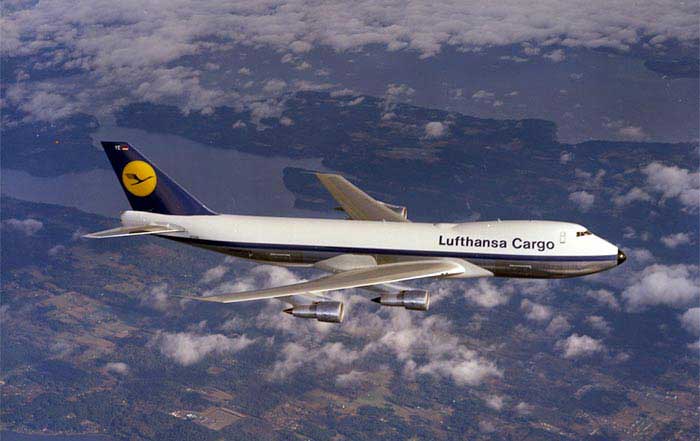
The historical arc of U.S. commercial aviation remains central to understanding its current position. In the decades following World War II, U.S. manufacturers turned wartime aerospace expertise into civilian leadership, ushering in the jet age and making American aircraft the default choice for airlines worldwide. The introduction of the Boeing 707 in the late 1950s and the iconic 747 in the late 1960s and early 1970s not only revolutionized long-haul travel but also embedded U.S. engineering excellence into the global consciousness. These aircraft symbolized not just technological prowess but also the United States' postwar economic ascendancy and its role in shaping global connectivity.
By the early 2000s, however, that once-unquestioned dominance had evolved into a more balanced but intense rivalry with Airbus, whose A320 and later A320neo family challenged Boeing's 737 line, while the A330 and A350 families contested wide-body markets that had long been Boeing strongholds. Airbus's decision to invest directly in the United States via its assembly facility in Mobile, Alabama, producing A320 family aircraft for U.S. carriers, further signaled that the contest for market share would increasingly be played out on American soil as well as globally. Interested readers can explore the current Airbus product portfolio and strategy via airbus.com.
Boeing's own product family in 2026 still spans the 737 MAX narrow-body line, the 787 Dreamliner, and the 777 family, including freighter variants that dominate global cargo markets. After a turbulent period marked by the 737 MAX grounding and subsequent quality concerns, the company has been engaged in a multi-year effort to restore confidence among regulators, airlines, investors, and the traveling public. Details on Boeing's programs, safety initiatives, and sustainability commitments can be found at boeing.com.
On the airline side, U.S. carriers remain among the largest in the world by fleet size, revenue, and passenger traffic. American Airlines continues to operate a vast network that connects domestic hubs with major cities in Europe, Asia, and Latin America, leveraging both Boeing and Airbus aircraft. Delta Air Lines, headquartered in Atlanta, has cultivated a reputation for operational reliability and customer service, while United Airlines has positioned itself as a leader in transatlantic and transpacific travel, with a particular focus on connecting North America to Europe and Asia. These carriers' fleet strategies and capital allocation decisions provide insight into the health and direction of the broader aviation ecosystem, and their financial performance is closely followed across U.S. business media and analytical platforms such as MarketWatch and Bloomberg.
For readers of USA-Update's business section, this interplay between manufacturers and airlines illustrates how strategic choices at the corporate level shape national export performance, employment trends, and regional development.
Innovation Under Pressure: Digital, Materials, and Operational Excellence
The U.S. commercial aircraft sector has always been synonymous with technological innovation, but in 2026 the nature of that innovation is evolving. Historically, breakthroughs were measured in terms of aerodynamic design, engine performance, and materials science. Those areas remain critical, yet they are now joined by equally transformative advances in digital engineering, data analytics, and integrated operational systems.
The use of composite materials, pioneered at scale in Boeing's 787 Dreamliner, continues to set the standard for weight reduction and fuel efficiency in long-haul operations. Such materials allow airlines to operate more fuel-efficient aircraft, reducing both operating costs and emissions. Engine manufacturers like GE Aerospace are at the forefront of propulsion innovation, working on higher-bypass turbofan engines with improved fuel burn and lower noise profiles, supported by sophisticated design tools and testing regimes. More information on current engine technologies and R&D directions is available through sources such as GE Aerospace and technical overviews from NASA's aeronautics research.
Digital transformation now permeates every stage of the aircraft lifecycle. Manufacturers employ advanced "digital twin" models to simulate structural and systems performance, enabling predictive maintenance strategies that reduce downtime and enhance safety. Airlines leverage big data and artificial intelligence to optimize routes, manage fuel consumption, and personalize customer experiences. For example, U.S. carriers increasingly integrate real-time weather, air traffic, and fuel price data into dynamic flight planning tools, a trend tracked closely by aviation analytics firms and discussed in industry reports available through IATA and FlightGlobal.
Cabin technology and passenger experience have also become areas of intense innovation. Companies such as Collins Aerospace develop next-generation avionics, seating, lighting, and in-flight entertainment systems, while airlines experiment with cabin configurations designed to balance revenue density with passenger comfort. The rapid expansion of high-bandwidth in-flight Wi-Fi, supported by satellite connectivity providers, has transformed expectations for long-haul travel, aligning aviation more closely with broader digital lifestyle trends that readers can compare with USA-Update's lifestyle coverage.
In this environment, innovation is no longer an isolated engineering exercise; it is a continuous, cross-functional process that ties together design, operations, customer experience, and sustainability, all under intense regulatory and market scrutiny.
Sustainability, Safety, and Regulation in a Carbon-Constrained World
By 2026, the climate imperative has become inseparable from any serious discussion of the future of commercial aviation. The sector's share of global COâ emissions-typically estimated at 2-3 percent but growing as other sectors decarbonize-has placed it squarely in the sights of policymakers, investors, and consumers. For U.S. stakeholders, the challenge is to reconcile the economic and social benefits of air travel with the need to align with national and international climate targets.
The most immediate tool in this transition is sustainable aviation fuel (SAF), produced from feedstocks such as waste oils, agricultural residues, and emerging synthetic processes using captured carbon and green hydrogen. U.S. airlines including American Airlines, Delta Air Lines, and United Airlines have entered into long-term offtake agreements with SAF producers, while energy companies such as Chevron and ExxonMobil have invested in production capacity and technology partnerships. Readers seeking a deeper understanding of SAF pathways and climate impacts can consult resources from the U.S. Department of Energy and the International Air Transport Association.
On the regulatory front, the Federal Aviation Administration (FAA) remains the central authority for safety oversight and certification in the United States. Following the 737 MAX incidents and subsequent investigations, the FAA has tightened its certification processes and enhanced its scrutiny of manufacturers' internal safety cultures. This heightened oversight has implications well beyond a single company, as it influences how quickly new aircraft and technologies can be brought to market. Global coordination with bodies such as the European Union Aviation Safety Agency (EASA) and the International Civil Aviation Organization (ICAO) remains essential to ensure that safety and environmental standards are harmonized across borders, reducing fragmentation in a deeply international industry. Readers can learn more about global safety and environmental frameworks via ICAO and EASA.
Climate policy is also reshaping the economic calculus of aviation. The United States has introduced incentives and tax credits to accelerate SAF production and other low-carbon technologies, particularly through measures such as the Inflation Reduction Act. These policies intersect with broader energy and industrial strategies that usa-update.com follows closely in its energy coverage and regulation insights. At the same time, market-based measures such as emissions trading schemes and offsetting mechanisms are increasingly influencing airline cost structures, particularly for carriers operating into Europe, where climate regulation has advanced rapidly.
Safety, long the defining metric of aviation success, is now joined by sustainability as a co-equal dimension of trust. For U.S. manufacturers and airlines, maintaining that trust requires transparent communication, rigorous compliance, and a credible roadmap toward lower emissions.
Fleet Modernization as Strategic Imperative
For U.S. airlines, fleet modernization has become the fulcrum of strategy, influencing everything from cost competitiveness and route planning to brand positioning and climate commitments. Newer aircraft typically offer double-digit improvements in fuel efficiency compared with the models they replace, along with lower maintenance costs and enhanced passenger appeal, making fleet renewal one of the most powerful levers available to management teams.
American Airlines continues to pursue a diversified fleet strategy, operating both Boeing 737 MAX and Airbus A321neo aircraft on domestic and medium-haul routes, while deploying Boeing 787 and Airbus A350 wide-bodies on long-haul services to Europe, Asia, and South America. This blend allows the carrier to hedge against manufacturer-specific risks while optimizing aircraft type to route demand and airport infrastructure. For travelers and investors tracking American's network and fleet plans, the airline's official communications and investor relations materials at aa.com provide detailed insights.
Delta Air Lines has differentiated itself with a strong emphasis on operational reliability and customer experience, investing heavily in cabin refurbishments, premium seating products, and in-flight entertainment systems even as it modernizes its narrow-body and wide-body fleets. Delta's approach reflects a belief that long-term brand loyalty and pricing power depend on more than raw capacity; they require a consistent, high-quality travel experience that can withstand competition from both U.S. peers and international carriers. Readers can explore how such strategies intersect with broader U.S. service-sector trends via USA-Update's consumer coverage.
United Airlines, for its part, has placed some of the largest single orders in aviation history, particularly for new-generation narrow-bodies and long-range wide-bodies. United's strategy is closely tied to its ambition to be a leading global connector across the Atlantic and Pacific, with expanded services to Europe, Asia, and emerging markets in Africa and South America. This requires aircraft capable of operating efficiently on both high-density trunk routes and thinner long-haul city pairs, a balance that informs its mix of 737 MAX, A321neo, and 787 aircraft. Analysts following United's growth projections often turn to data from sources such as OAG and IATA to understand capacity trends and route economics.
Fleet modernization is not merely a technical or financial decision; it is a central component of how U.S. airlines plan to meet their emissions reduction commitments. Newer aircraft, more efficient engines, and advanced flight management systems collectively reduce fuel burn per seat, allowing carriers to grow traffic while moderating emissions intensity. These dynamics are increasingly visible in the financial and ESG (environmental, social, and governance) reporting that investors can track through SEC filings and major financial news outlets.
U.S. Commercial Aircraft Industry Timeline
From Postwar Dominance to Sustainable Aviation Future
Boeing 707 revolutionizes commercial aviation in late 1950s, establishing U.S. dominance in jet aircraft manufacturing. American engineering excellence becomes synonymous with global air travel.
Boeing 747 "Jumbo Jet" transforms long-haul travel, symbolizing U.S. postwar economic ascendancy and shaping global connectivity for decades.
Airbus challenges Boeing's dominance with A320 and A330 families. Competition intensifies as Airbus establishes U.S. manufacturing presence in Mobile, Alabama.
Boeing 787 Dreamliner pioneers composite materials for enhanced fuel efficiency. Industry faces challenges including 737 MAX grounding and pandemic disruptions.
Industry prioritizes decarbonization through sustainable aviation fuel (SAF), digital transformation, and fleet modernization. U.S. carriers pursue ambitious net-zero goals while maintaining competitiveness.
Focus on hydrogen propulsion, electric aircraft, urban air mobility (eVTOL), and advanced digitalization. Emerging competitors like China's COMAC reshape global dynamics.
Key Players:Boeing, Airbus, American Airlines, Delta Air Lines, United Airlines, GE Aerospace
Focus Areas:Safety, Sustainability, Digital Innovation, Workforce Development
Financial Health, Supply Chains, and Capital Flows
The strength of the U.S. commercial aircraft industry rests not only on marquee manufacturers and airlines but also on the intricate web of suppliers, financiers, and lessors that underpin the sector. In 2026, this network is still adjusting to the shocks of the early 2020s, including pandemic-induced demand collapses, supply chain disruptions, and interest-rate volatility.
For Boeing, the period since 2019 has been one of the most challenging in its history, with the 737 MAX grounding, pandemic disruptions, and subsequent quality concerns leading to financial strain, production adjustments, and intense regulatory oversight. By 2026, Boeing has made progress in stabilizing its balance sheet and rebuilding its delivery pipeline, but the company remains under pressure to demonstrate consistent execution and to avoid further setbacks that could erode airline confidence. Its performance continues to be monitored closely by investors, regulators, and industry observers via platforms such as Reuters and The Wall Street Journal.
Airbus, while based in Europe, plays a substantial role in the U.S. economy through its manufacturing presence and its extensive customer base among North American carriers. The company's financial strength and production ramp-up capabilities exert competitive pressure on Boeing, shaping pricing, delivery schedules, and airlines' fleet choices. The duopoly structure of the large commercial aircraft market remains intact, but it is now framed by the prospect of new entrants and by the need for both incumbents to finance costly transitions toward lower-emission technologies.
Suppliers such as GE Aerospace, Pratt & Whitney, and Collins Aerospace are critical nodes in this system, providing engines, avionics, landing gear, and a multitude of subsystems. Any disruption at these suppliers-whether due to material shortages, labor issues, or technical challenges-can cascade through the production schedules of both Boeing and Airbus. The semiconductor shortages and logistics bottlenecks of recent years highlighted the fragility of global supply chains, prompting U.S. policymakers and corporate leaders to explore reshoring, diversification, and redundancy strategies. Readers can follow broader supply chain and manufacturing trends through USA-Update's economy reporting and external analysis from organizations like the World Economic Forum.
Financing remains another area where U.S. institutions exert outsized influence. Aircraft leasing companies such as AerCap and Air Lease Corporation, both with significant U.S. footprints, provide airlines with flexible access to capacity, while major banks and capital markets in New York facilitate bond issuances, export credit facilities, and structured financing. These financial channels enable airlines across North America, Europe, Asia, and beyond to modernize fleets without bearing the full upfront cost of aircraft ownership, reinforcing the centrality of U.S. financial markets to global aviation.
Policy, Defense Linkages, and Strategic Importance
For decades, U.S. policymakers have treated aerospace as a strategic industry, not only because of its economic and employment contributions but also because of its intimate connection to national security and technological leadership. The overlap between commercial and defense aerospace is particularly pronounced in the United States, where companies such as Lockheed Martin, Northrop Grumman, and Boeing's Defense, Space & Security division operate across both domains.
Research and development funded through defense programs often yields technologies that spill over into commercial aviation, including advances in materials, avionics, simulation, and autonomous systems. NASA's aeronautics research, carried out in partnership with industry and universities, further accelerates innovation in areas such as advanced air mobility, noise reduction, and sustainable propulsion. Interested readers can learn more about these initiatives via NASA's aeronautics portal and policy analyses from organizations like the RAND Corporation.
Regulatory oversight by the FAA ensures that safety remains paramount, but policy extends beyond certification. Federal initiatives to support SAF production, hydrogen research, and electric or hybrid-electric propulsion reflect a recognition that aviation's long-term viability depends on decarbonization. These programs intersect with broader climate and industrial policies, including those aimed at strengthening domestic manufacturing and reducing dependence on geopolitically sensitive supply chains. For readers of USA-Update's regulation section, the aviation sector provides a concrete case study of how federal and state policies can shape the trajectory of a high-tech industry.
The strategic importance of aviation also manifests in international diplomacy and trade. Market access for U.S. aircraft, as well as the protection of intellectual property and fair competition, are recurring themes in trade negotiations with regions such as the European Union, China, and emerging markets in Asia, Africa, and South America. These dynamics underscore why developments in aviation are closely followed in USA-Update's international coverage.
Passenger and Cargo Demand: Two Sides of the Growth Story
By 2026, global passenger demand has moved decisively beyond the volatility of the early 2020s, with traffic levels surpassing pre-pandemic benchmarks in many markets. Domestic travel within the United States remains robust, driven by a combination of leisure demand, a partial rebound in corporate travel, and the continued growth of hybrid work patterns that allow for more flexible trip planning. Internationally, routes linking North America with Europe-particularly hubs in the United Kingdom, Germany, France, Spain, and the Netherlands-are among the most heavily trafficked in the world, while connections with Asia-Pacific destinations such as Japan, South Korea, Singapore, and Australia continue to expand.
Passenger expectations have evolved in parallel with this recovery. Travelers now place greater emphasis on health and cleanliness standards, digital self-service tools, and transparent sustainability commitments. Airlines have responded with investments in mobile apps, biometric boarding, and enhanced loyalty programs, while highlighting their use of newer, more efficient aircraft and, where possible, SAF blends. These trends intersect with broader lifestyle and consumer behavior shifts that readers can compare through USA-Update's lifestyle reporting and consumer insights from organizations such as McKinsey & Company.
Cargo, meanwhile, has emerged as a stabilizing force for the industry. The growth of e-commerce-driven by platforms such as Amazon and supported by logistics leaders FedEx and UPS-has sustained strong demand for air freight capacity. Boeing's 767 and 777 freighter families, along with converted passenger aircraft, form the backbone of global cargo fleets, while integrators operate dense networks connecting North America with Europe, Asia, and emerging markets. The importance of reliable air cargo links was underscored during the pandemic, when vaccines, medical supplies, and critical components depended on air transport. Today, cargo operations continue to support airline revenues and justify investments in freighter aircraft and dedicated logistics infrastructure.
The interplay between passenger and cargo demand adds resilience to the U.S. aviation ecosystem, smoothing revenue cycles and supporting continued investment in fleet and infrastructure even when one segment faces temporary headwinds.
Workforce, Employment, and Skills for the Next Generation
The U.S. commercial aircraft industry remains a major source of high-quality employment, supporting hundreds of thousands of direct jobs and many more indirectly through suppliers, airports, and related services. For readers following labor markets and career trends through USA-Update's employment section and jobs coverage, aviation offers a clear example of how advanced manufacturing, services, and technology converge to create diverse career paths.
Yet the sector faces pronounced skills challenges. Pilot shortages, exacerbated by early retirements and training bottlenecks during the pandemic, have persisted into the mid-2020s. U.S. airlines have responded by launching or expanding pilot academies, forming partnerships with universities and flight schools, and offering financial support to reduce the cost barrier to training. Cabin crew recruitment has also intensified, with carriers seeking to attract employees who can deliver the increasingly personalized service that modern passengers expect.
On the technical side, demand for aerospace engineers, software developers, avionics specialists, and maintenance technicians remains strong. Competition for talent with other sectors-particularly technology and defense-has encouraged aerospace firms to invest in workforce development programs, apprenticeships, and STEM education initiatives. Regions with significant aerospace clusters, such as Washington, South Carolina, Kansas, Texas, and Arizona, have seen local governments and educational institutions collaborate with industry to build training pipelines that can sustain long-term growth. Readers can explore broader employment patterns in these regions via USA-Update's economy and employment insights.
The industry's future competitiveness will depend heavily on its ability to attract and retain a workforce that is not only technically proficient but also adaptable, capable of working across digital and physical domains as aircraft become more software-defined and data-driven.
Competition Beyond the Duopoly: Emerging Players and New Models
While Boeing and Airbus still dominate the large commercial aircraft market, the landscape in 2026 is more complex than a simple two-player contest. China's COMAC has begun delivering its C919 narrow-body to domestic airlines, with ambitions to expand into international markets over time. Although certification and support challenges remain significant-particularly in North America and Europe-the presence of a state-backed competitor with access to a vast home market introduces a new strategic variable for U.S. and European manufacturers.
Russia's efforts to develop indigenous commercial aircraft, including the Irkut MC-21, have been hampered by sanctions and supply chain constraints, limiting their near-term impact on global competition. However, the broader trend toward national or regional aerospace champions underscores the geopolitical dimension of aviation, where governments view aircraft manufacturing as a symbol of technological sovereignty and economic strength.
At the same time, new business models are emerging around regional aircraft, urban air mobility, and specialized niches such as high-speed or supersonic travel. U.S.-based companies like Joby Aviation and Archer Aviation are advancing electric vertical takeoff and landing (eVTOL) concepts that could reshape urban transportation and airport access, while several startups, often supported by major airlines, are exploring supersonic passenger aircraft that could dramatically reduce flight times on premium intercontinental routes. These initiatives remain in development, but they highlight the breadth of innovation underway across the aerospace spectrum.
For readers of USA-Update's technology section, these emerging segments offer a glimpse into how aviation might evolve beyond the conventional hub-and-spoke and point-to-point models that have dominated the jet age.
Looking Toward 2035: Decarbonization, Digitalization, and New Horizons
As the U.S. commercial aircraft industry looks toward 2035 and beyond, its trajectory will be shaped by three interlocking forces: decarbonization, digitalization, and the continued globalization of air travel and trade. The sector's success will depend on its ability to execute on long-term technology roadmaps while managing near-term financial and operational pressures.
Decarbonization will likely progress along multiple tracks. SAF is expected to play the leading role through the 2030s, supported by expanding production capacity, improved feedstock supply chains, and favorable policy frameworks. In parallel, research into hydrogen-powered aircraft, hybrid-electric propulsion, and advanced aerodynamic concepts will continue, with regional and short-haul markets serving as early testbeds. These efforts will require sustained collaboration among manufacturers, airlines, energy companies, and governments, as well as significant capital investment.
Digitalization will deepen as aircraft become more connected and software-defined, enabling real-time monitoring, predictive maintenance, and personalized passenger services. Cybersecurity will become a critical concern, given the increasing integration of aircraft systems with airline IT infrastructure and broader digital ecosystems. Data governance, interoperability, and regulatory oversight will all influence how quickly and safely these technologies can be deployed.
Globalization, meanwhile, will remain both a driver of demand and a source of complexity. Emerging middle classes in Asia, Africa, and South America will continue to increase demand for air travel, even as geopolitical tensions and trade disputes create uncertainty. U.S. manufacturers and airlines will need to navigate this environment with a combination of commercial agility and strategic patience, balancing growth opportunities with risk management.
For usa-update.com and its readers, the U.S. commercial aircraft industry will remain a focal point for understanding how America competes in a world where advanced manufacturing, clean energy, digital technology, and international policy are converging. The sector's performance will influence not only economic indicators tracked in USA-Update's finance coverage and news reporting, but also the lived experience of travelers, workers, and communities across the United States and around the world.
In 2026, the U.S. commercial aircraft industry stands as both a testament to decades of innovation and a sector under intense pressure to adapt. Its ability to deliver safe, efficient, and increasingly sustainable air travel-while maintaining global competitiveness and supporting high-quality jobs-will be a defining test of American industrial leadership in the decade ahead.
