
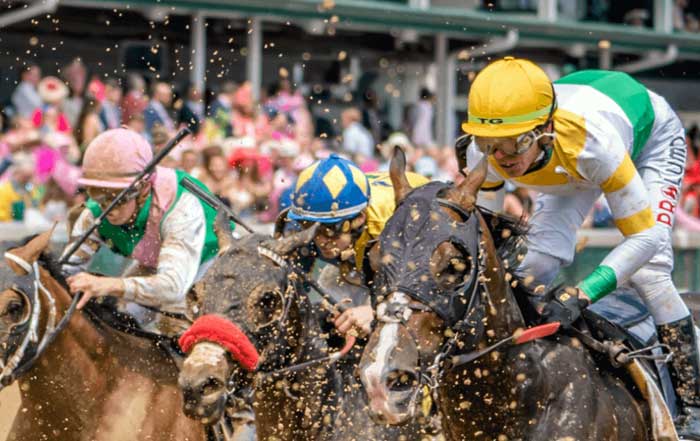
U.S. Horse Racing: Tradition, Transformation, and Global Reach
Horse racing in the United States enters 2026 as a sport that is at once steeped in tradition and increasingly shaped by technology, regulation, and global competition. For readers of usa-update.com, the modern racing landscape is more than a sequence of famous race days; it is a complex ecosystem that links regional communities, national economic performance, international investment, and evolving consumer expectations across entertainment, travel, employment, and digital experiences. From the iconic Triple Crown to the Breeders' Cup and a widening constellation of high-profile festivals, horse racing remains a powerful lens through which to examine how American industries adapt to new realities while preserving their historical identity.
The sport's calendar in 2026 reflects a mature yet restless industry. It is driven by the need to satisfy long-time enthusiasts and bettors while simultaneously appealing to younger, digitally native audiences who expect data-rich, interactive, and socially conscious experiences. It must respond to growing scrutiny of equine welfare and regulatory oversight, while also competing with the relentless expansion of other professional sports, streaming entertainment, and international racing circuits. In this environment, the U.S. horse racing sector has become a proving ground for new business models, technology adoption, and cross-border collaboration, offering a rich narrative for anyone following developments across the U.S. economy and the broader international marketplace.
The Enduring Role of Horse Racing in the U.S. Economy and Culture
As of 2026, horse racing remains a multi-billion-dollar contributor to the American economy, with its impact cascading through wagering, tourism, broadcasting, hospitality, breeding, and specialized services ranging from veterinary medicine to data analytics. The sport's prominence is not uniform across the country, but in states such as Kentucky, New York, California, Florida, and Maryland, racing is integral to local identity and regional development. These states host marquee events that attract domestic and international visitors, filling hotels, restaurants, and transportation networks and anchoring seasonal employment and investment cycles that readers can track through business coverage and travel insights on usa-update.com.
The cultural significance of racing is equally durable. The Kentucky Derby remains a social ritual that rivals any American sporting event in pageantry and media attention, while the Preakness Stakes and Belmont Stakes continue to embody regional pride and long-standing community traditions. Even as streaming platforms and digital media fragment audiences, these events still command live crowds and national broadcasts, offering rare shared experiences that unite viewers from Louisville to Los Angeles, and from New York to London and Tokyo. The blend of fashion, music, cuisine, and sport at major race days places horse racing at the intersection of lifestyle and entertainment, a positioning that resonates with the lifestyle coverage and entertainment reporting that define much of usa-update.com's readership.
The 2026 Triple Crown: Heritage at the Center of a Changing Sport
The Triple Crown races remain the spine of the American racing calendar, and in 2026 they continue to define the narrative arc of the three-year-old Thoroughbred season. Each race carries distinct competitive and commercial dynamics, yet together they form a national spectacle that shapes betting flows, media coverage, and international interest.
The Kentucky Derby, held at Churchill Downs in Louisville, retains its status as the "Run for the Roses" and the premier showcase for American racing. It is the culmination of a months-long qualifying series that now integrates data-driven rankings, international prep races, and enhanced veterinary screening to balance competitive intensity with equine welfare. Corporate hospitality suites, premium infield experiences, and meticulously curated digital content have turned Derby week into a multi-platform festival, with brands from financial services, fashion, technology, and beverages using the event as a launchpad for campaigns and partnerships. Readers looking to understand how major American events blend tradition with innovation can follow these evolving models through news coverage and dedicated business features on usa-update.com, while additional context on the Derby's history and current format is available through the official Churchill Downs and Kentucky Derby site.
The Preakness Stakes at Pimlico Race Course in Baltimore continues to serve as the pivotal second leg of the Triple Crown, but in 2026 it also reflects a broader urban redevelopment narrative. Investments in infrastructure and neighborhood revitalization around the track have positioned the Preakness as a symbol of how legacy sports venues can anchor new economic and cultural districts. The race's slightly shorter distance and compact timing after the Derby make it tactically fascinating for trainers and handicappers, while its music stages, infield experiences, and regional culinary offerings attract a younger demographic that may engage more through mobile devices than traditional broadcast. This dual identity as both a classic race and a contemporary festival keeps the Preakness central to discussions about the future of American sports entertainment.
The Belmont Stakes, now benefiting from ongoing modernization at Belmont Park in Elmont, New York, remains the "Test of the Champion," where stamina and strategy converge over its demanding distance. In 2026, the Belmont's significance extends beyond its potential to crown a Triple Crown champion; it is also a focal point for New York's efforts to integrate racing into a broader year-round sports and entertainment portfolio that includes professional baseball, basketball, hockey, and soccer. Upgraded transport links, digital ticketing systems, and expanded hospitality spaces have made Belmont week a magnet for corporate events and international visitors, reinforcing the race's role within the national and international business landscape. For usa-update.com readers tracking how traditional sports assets are being repositioned in the modern economy, the Belmont offers a case study in infrastructure investment, sponsorship strategy, and regulatory coordination.
The Breeders' Cup: Global Championship and Strategic Showcase
By November 2026, attention turns again to the Breeders' Cup World Championships, which rotate among premier U.S. venues and serve as the de facto world championships for Thoroughbred racing. Whether staged at Santa Anita Park, Keeneland, or another elite track, the Breeders' Cup brings together top horses from North America, Europe, Asia, and increasingly the Middle East, offering a two-day program that tests every major distance and surface category. The event's structure, with its array of juvenile, turf, sprint, and classic races, has made it essential viewing for international bettors and fans, and it is now deeply integrated into the global racing calendar alongside fixtures such as Royal Ascot, the Prix de l'Arc de Triomphe, and the Dubai World Cup, information about which is widely available through organizations such as Ascot Racecourse and France Galop.
For U.S. stakeholders, the Breeders' Cup functions as both a sporting summit and a strategic business platform. Purse money across the two days now exceeds many national championships in other sports, attracting owners, trainers, and jockeys whose reputations extend far beyond their home countries. The event's media rights are distributed through a combination of traditional broadcasters like NBC Sports and specialized racing channels, as well as global streaming services that provide localized commentary, on-demand replays, and interactive wagering tools. This multi-layered distribution strategy illustrates how racing has adapted to the digital media environment, and it aligns with broader trends that usa-update.com tracks across technology and consumer behavior.
2026 U.S. Horse Racing Calendar
Major Events & Championships Timeline
January
Pegasus World Cup
Season opener blending luxury lifestyle with elite racing competition
Gulfstream Park, FLMay
Kentucky Derby
The "Run for the Roses" - Premier showcase of American racing
Churchill Downs, KYMay
Preakness Stakes
Second jewel of the Triple Crown with urban revitalization focus
Pimlico, MDJune
Belmont Stakes
The "Test of the Champion" over demanding distance
Belmont Park, NYAugust
Travers Stakes
The "Mid-Summer Derby" at historic Saratoga's seasonal destination
Saratoga, NYAugust
Whitney Stakes
Grade I race anchoring Saratoga's prestigious summer meet
Saratoga, NYNovember
Breeders' Cup
Two-day World Championships bringing together global elite
Rotating VenuesKey U.S. Racing Festivals and Their Strategic Importance in 2026
Beyond the Triple Crown and the Breeders' Cup, the 2026 U.S. racing calendar is populated by a series of high-value festivals and individual races that both sustain the sport's competitive structure and diversify its commercial appeal.
The Pegasus World Cup at Gulfstream Park in Florida, typically held in January, continues to serve as the unofficial launch of the elite racing season. Introduced in 2017 with unprecedented purse levels, the Pegasus has evolved into a luxury-lifestyle event that blends top-level racing with fashion, music, and upscale hospitality. It is a template for how racetracks can position themselves as year-round entertainment destinations rather than purely sporting venues, a shift that intersects with trends in the broader U.S. entertainment and tourism sectors. The Pegasus also illustrates how innovative funding models, including owner entry fees and sponsorship-driven purses, can sustain high-stakes racing outside the traditional classic calendar.
The Travers Stakes at Saratoga Race Course in upstate New York remains the "Mid-Summer Derby," a race that often brings together Triple Crown participants and late-developing three-year-olds. Saratoga's historic setting, with its Victorian architecture and long-standing summer meet, has turned the town into a seasonal destination for racing enthusiasts, families, and international visitors. The Travers is at the center of this ecosystem, and its continued prestige underlines how regional tracks can maintain global relevance through careful curation of their racing programs, investments in fan experience, and integration with local tourism initiatives. Readers interested in how such regional events contribute to broader economic patterns can explore related coverage in usa-update.com's events and economy sections.
The Whitney Stakes, also at Saratoga, and the revived Arlington Million in Illinois further demonstrate how high-profile Grade I races can anchor regional meets and draw international participation, particularly in turf events where European and South American horses have historically excelled. These races are increasingly connected to global ranking systems and championship pathways overseen by organizations such as the International Federation of Horseracing Authorities, whose standards and classifications influence breeding decisions, race planning, and wagering markets worldwide.
Wagering, Technology, and the Evolving Economics of Racing
In 2026, wagering remains the primary financial engine of horse racing, but the mechanisms through which bets are placed and managed have changed dramatically over the past decade. Traditional on-track betting and off-track betting parlors have given way to sophisticated mobile platforms operated by companies such as FanDuel Racing, TwinSpires, and NYRA Bets, which offer live streaming, in-depth analytics, and personalized promotions. These platforms are tightly integrated with state regulatory frameworks and, in many cases, with broader online sports betting ecosystems that also cover football, basketball, soccer, and other sports, reflecting the convergence of racing with the wider gaming industry monitored by entities such as the American Gaming Association.
Advances in data analytics and artificial intelligence have transformed how both casual and professional bettors approach racing. Detailed performance metrics, biometric data from training sessions, sectional timing, and historical race conditions can be accessed through subscription services and specialized apps. This shift toward data-driven wagering has increased engagement among technically minded fans and investors who view racing as a sophisticated information market. It also raises questions about data ownership, fairness, and transparency that regulators and track operators must address to maintain trust, a theme that resonates across usa-update.com's finance and regulation coverage.
Blockchain-based solutions, including tokenized ownership stakes and secure digital wallets, have also started to influence the industry. While still a niche segment, fractional ownership platforms allow individuals to acquire small stakes in racehorses, participate in decision-making, and share in prize money. This democratization of ownership can strengthen fan loyalty and broaden the base of investors in the sport, though it also requires robust regulatory oversight to ensure consumer protection and compliance with securities laws. Readers interested in these developments can find broader context in resources such as the U.S. Securities and Exchange Commission and specialized financial media like the Financial Times, which regularly analyze the intersection of digital assets and traditional industries.
Employment, Regional Development, and the Racing Workforce
The horse racing industry supports a wide range of jobs, from high-profile trainers, jockeys, and bloodstock agents to grooms, exercise riders, track maintenance crews, veterinary professionals, hospitality staff, and media technicians. In 2026, the industry's labor profile reflects both continuity and change. Traditional skills in horsemanship, animal care, and race-day operations remain essential, yet there is growing demand for expertise in data analytics, digital marketing, cybersecurity, and event production. This combination of legacy and emerging roles offers a nuanced picture of how racing contributes to employment opportunities across the United States.
Rural communities in Kentucky, Florida, and other breeding centers depend heavily on the year-round activity of farms and training centers, while urban and suburban areas around major tracks benefit from seasonal surges in hospitality and tourism-related jobs. As the U.S. labor market continues to adjust to post-pandemic realities and technological disruption, racing provides both challenges and opportunities. Workforce development programs, apprenticeship initiatives, and partnerships with community colleges and universities are increasingly important in ensuring that the next generation of workers can build sustainable careers in the industry. Organizations such as the Thoroughbred Industry Employee Awards and The Jockey Club have taken more visible roles in highlighting best practices and supporting education, welfare, and safety across the workforce.
Regulation, Welfare, and the Quest for Public Trust
Equine welfare and regulatory integrity are central to the future of U.S. horse racing, and 2026 finds the industry in the midst of a significant transformation driven by the Horseracing Integrity and Safety Authority (HISA). Established to create uniform national standards for medication control, track safety, and anti-doping enforcement, HISA works in coordination with the Federal Trade Commission and state racing commissions to implement rules that are more consistent with international best practices. This shift responds to years of public concern over breakdowns and injuries, as well as to pressure from advocacy organizations and policymakers.
Enhanced pre-race veterinary examinations, standardized reporting of injuries, and advanced track-surface monitoring technologies are now common at major U.S. venues. These measures are informed by research from institutions such as the Grayson-Jockey Club Research Foundation and veterinary schools at leading universities, which study the biomechanics of equine athletes, injury prevention, and rehabilitation. The goal is to reduce catastrophic incidents and improve the overall well-being of racehorses, recognizing that public acceptance of the sport hinges on demonstrable progress in this area. Readers seeking a broader view of animal welfare standards in sport can consult resources from the American Veterinary Medical Association and comparative analyses of policies in Europe, Asia, and Australasia.
For usa-update.com's audience, the regulatory evolution of horse racing offers insights into how U.S. industries respond to reputational risk, scientific evidence, and shifting social expectations. It also highlights the complex interplay between federal oversight, state authority, and private-sector initiatives, a pattern that recurs across sectors from energy to finance and technology.
Sustainability, Energy Use, and Environmental Responsibility
Sustainability has moved from a peripheral concern to a strategic priority for many racetracks and breeding operations. Major venues increasingly adopt energy-efficient lighting, solar installations, water recycling systems, and sustainable landscaping practices, aligning with broader corporate commitments to environmental, social, and governance (ESG) standards. The drive toward greener operations is influenced by regulatory incentives, cost considerations, and pressure from sponsors and consumers who expect large events to minimize their environmental footprint.
Some tracks have begun to pursue certifications such as LEED for their new or renovated facilities, while others partner with local environmental organizations to manage land use and biodiversity on surrounding properties. Breeding farms, particularly in regions like Kentucky, are experimenting with regenerative agriculture practices, improved manure management, and conservation programs that protect soil and water quality. These efforts mirror trends across the broader economy, where companies and institutions are increasingly judged by their climate and sustainability strategies, a topic that usa-update.com regularly examines in its energy and economy coverage.
Digital Fan Engagement and the Global Racing Audience
The digital transformation of horse racing has accelerated in 2026, with racetracks and media partners deploying tools that would have seemed experimental a decade ago. Virtual reality offerings allow fans to experience a race from the perspective of a jockey or to explore behind-the-scenes areas such as the paddock and barn. Augmented reality overlays on broadcasts provide real-time speed, position, and biometric data for each horse, enhancing both entertainment and understanding for viewers. Social media platforms host interactive Q&A sessions with trainers and jockeys, while dedicated racing podcasts and newsletters offer in-depth analysis for enthusiasts in the United States, Europe, Asia, and beyond.
These innovations expand racing's reach into markets such as Canada, the United Kingdom, Germany, Japan, Australia, and Brazil, where fans can follow U.S. races alongside their domestic circuits. Partnerships between American tracks and international organizations like Hong Kong Jockey Club, Japan Racing Association, and Racing Victoria facilitate cross-promotions, shared wagering pools, and joint content projects, reinforcing the sport's status as a truly global enterprise. For readers of usa-update.com who track international business and cultural trends, this globalization of fan engagement underscores how digital technology erases geographic boundaries and allows U.S. events to compete for attention on a worldwide stage.
Travel, Tourism, and the Experience Economy
Horse racing in 2026 is deeply embedded in the broader experience economy. Fans increasingly plan travel around major race days, combining attendance at the Kentucky Derby, Breeders' Cup, or Saratoga meet with visits to local cultural attractions, culinary scenes, and natural landmarks. Tourism boards and hospitality providers in destinations such as Louisville, Lexington, Saratoga Springs, San Diego, and Miami work closely with racetracks to offer package deals, curated itineraries, and VIP experiences that cater to both domestic travelers and international visitors from Europe, Asia, and the Americas.
This integration of racing with tourism reflects broader shifts in consumer preferences toward experiential spending, where travelers seek immersive and authentic activities rather than purely transactional services. It also highlights the importance of transportation infrastructure, hotel capacity, and regional branding in attracting high-value visitors. Usa-update.com's travel and events sections provide ongoing coverage of how major U.S. cities and smaller communities leverage racing and other marquee events to differentiate themselves in an increasingly competitive global tourism market.
International Investment and the Global Thoroughbred Market
The U.S. Thoroughbred industry in 2026 is deeply connected to international capital flows and breeding strategies. Wealthy ownership groups from the United Kingdom, Ireland, France, Japan, the United Arab Emirates, Saudi Arabia, Australia, and other countries maintain significant operations in the United States, owning farms, training centers, and racing stables. Sales companies such as Keeneland and Fasig-Tipton host auctions that attract buyers from around the world, with yearlings and breeding stock regularly commanding seven-figure prices. These transactions are closely watched by industry analysts and financial journalists, as they provide indicators of confidence and liquidity in the broader bloodstock market.
American-bred horses continue to be exported to racing jurisdictions across Europe, Asia, South America, and the Middle East, while U.S. breeders import stallions and mares to diversify bloodlines and respond to evolving race conditions. This dynamic exchange is monitored and supported by organizations such as the International Stud Book Committee and national bodies like Weatherbys in the UK and France Galop in France. For usa-update.com readers following international economic linkages, the Thoroughbred market offers a vivid example of how specialized industries operate across borders, responding to currency fluctuations, regulatory changes, and shifting consumer demand.
Challenges, Competition, and Strategic Opportunities
Despite its resilience, U.S. horse racing in 2026 faces significant challenges. Competition for consumer attention is intense, with the NFL, NBA, MLB, MLS, global soccer leagues, esports, and streaming entertainment all vying for discretionary time and spending. Younger audiences, particularly in North America and Europe, often have less familiarity with racing traditions, and they may prioritize sports and activities that align more clearly with their values around sustainability, inclusion, and digital interactivity. To remain relevant, racing must continue to refine its storytelling, invest in accessible and transparent media, and highlight the human and equine narratives that give the sport its emotional depth.
Animal welfare concerns remain a critical issue. Even as regulatory frameworks strengthen, any high-profile incident can trigger renewed scrutiny and calls for reform. The industry's response-through scientific research, enhanced safety protocols, and open communication-will be a decisive factor in its long-term social license to operate. At the same time, racing's integration with other sectors offers opportunities for innovation: partnerships with technology firms can improve monitoring and analytics; collaboration with universities can advance veterinary science; and engagement with environmental organizations can position the sport as a leader in sustainable land management.
From a business perspective, racing has room to expand into new markets and formats. Night racing, mixed entertainment cards that combine live music and sport, and cross-promotional events with other professional leagues can attract diverse audiences. Data products tailored to institutional investors, fantasy sports players, and algorithmic bettors can create additional revenue streams. For readers who track jobs, finance, and consumer trends on usa-update.com, these shifts in racing's business model mirror broader transformations across the entertainment, media, and technology sectors.
Horse Racing and the Broader Narrative of American Change
Ultimately, U.S. horse racing in 2026 is a microcosm of the broader American story: a long-standing institution navigating technological disruption, evolving social expectations, international competition, and environmental constraints. Its marquee events still capture the imagination, its economic footprint remains substantial, and its cultural resonance persists across generations and regions. Yet its continued success will depend on its ability to balance reverence for tradition with a clear-eyed embrace of innovation and accountability.
For the audience of usa-update.com, following horse racing is not merely a matter of tracking winners and losers on the track. It is a way to observe how a complex industry adapts to new regulatory regimes, deploys advanced technologies, responds to global market forces, and engages with consumers whose preferences and values are shifting. Whether viewed through the lens of economy, news, business, technology, or lifestyle, the 2026 U.S. horse racing landscape offers a rich case study in experience, expertise, authoritativeness, and trustworthiness in a changing world.
As the calendar progresses from the Pegasus World Cup through the Triple Crown, summer festivals, regional championships, and the Breeders' Cup, each event adds another chapter to this evolving narrative. Together, they show that horse racing, while rooted in centuries-old practices, remains capable of reinvention-an enduring American tradition that continues to adjust its stride to keep pace with a global, digital, and increasingly demanding age.
