
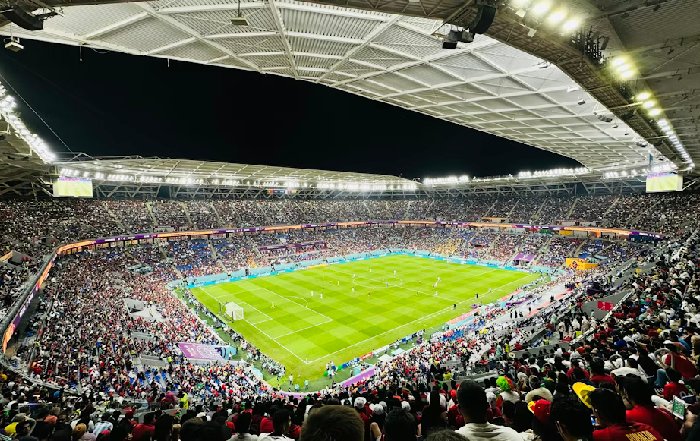
The Global Business of Sport: Economic Impacts of International Sporting Events in 2026
Why International Sporting Events Matter to the Global Economy
International sporting events have become some of the most powerful catalysts of economic activity, brand visibility, and geopolitical influence in the world, and for readers of usa-update.com, the intersection of sports, business, and policy is no longer a niche concern but a central part of understanding how the modern economy functions. From the FIFA World Cup 2026 to continental competitions, global tournaments, and city-hosted championships in North America, Europe, Asia, and beyond, major events now operate as complex multi-year investment projects, blending infrastructure, tourism, media rights, sponsorship, and technology into integrated economic ecosystems that extend far beyond the playing field.
As governments, corporations, and local communities weigh the benefits and risks of hosting mega-events, the conversation has shifted from simplistic projections of visitor spending toward a more nuanced assessment of long-term value creation, social impact, regulatory environments, and sustainability. Readers following developments on the USA Update business and economy pages increasingly recognize that the global sports calendar is now a de facto economic calendar, shaping investment flows, infrastructure planning, employment trends, and consumer behavior in the United States and across key markets such as Europe, Asia, and emerging economies in South America and Africa.
International sporting events sit at the intersection of public policy and private enterprise, and their economic impact is best understood not as a single windfall but as a layered and dynamic process that touches construction, hospitality, media, technology, finance, and urban development. As the 2026 cycle unfolds, with North America playing an outsized role in hosting and broadcasting, understanding the business logic, risk profiles, and strategic opportunities attached to these events is essential for executives, investors, policymakers, and professionals tracking the global landscape through platforms like usa-update.com.
The Economic Architecture of Mega Sporting Events
The economic impact of major sporting events can be divided into several interlocking pillars: direct spending, indirect and induced effects, infrastructure investment, media and sponsorship revenue, and longer-term legacy outcomes that may transform a city's or nation's competitive position. Institutions such as the International Monetary Fund and the World Bank have increasingly examined how large-scale events influence macroeconomic indicators, from GDP growth to public debt and employment, and their findings show that outcomes are highly context-dependent, shaped by governance quality, project management, and market conditions. Readers can explore broader perspectives on global growth and fiscal policy through resources like the World Bank's global economic prospects.
Direct spending typically includes expenditures by visitors on accommodation, food, transportation, entertainment, and retail, as well as spending by organizing committees and governing bodies on operations, security, logistics, and event management. For example, when an event like the Olympic Games or the FIFA World Cup is staged, host cities see a significant influx of international fans, media crews, and corporate delegations, which drives short-term revenue spikes in the hospitality and service sectors. Analysts at organizations such as Deloitte and PwC frequently model these flows using input-output frameworks to estimate how spending ripples through local and regional economies; interested readers can review broader industry studies via platforms such as Deloitte's sports business insights.
Indirect and induced effects capture the second-order and third-order impacts of this spending, as suppliers to hotels, transport operators, and event organizers increase production, and employees in these sectors spend their wages in the wider economy. While such multiplier effects can be significant, economists increasingly caution against overestimating them, particularly when events are short in duration or when a large portion of spending would have occurred anyway in the absence of the event. The Brookings Institution and similar think tanks have published analyses highlighting how some economic impact studies commissioned by host cities may lean toward optimistic assumptions; readers interested in a policy-oriented view of such debates can learn more about sports economics and public finance.
Infrastructure investment represents another major dimension of the economic architecture, as host cities often commit billions of dollars to stadium construction, transport upgrades, digital connectivity, and urban renewal. While some of these projects deliver enduring productivity gains, others become "white elephants," underutilized once the event concludes. Organizations like the OECD have stressed the importance of aligning event-related infrastructure with long-term urban strategies, emphasizing that transport networks, housing, and digital systems should be designed for post-event usage rather than single-purpose prestige. A broader view on infrastructure policy and best practices is available through the OECD's infrastructure and public investment resources.
Media and sponsorship revenue form the financial backbone of international sporting events, with global broadcasters, digital platforms, and multinational brands competing for rights that grant access to massive audiences across North America, Europe, Asia, and emerging markets. The International Olympic Committee (IOC), FIFA, and other governing bodies have built sophisticated commercial programs that package media rights, licensing, and partnerships into multi-cycle agreements, often denominated in billions of dollars. Industry observers tracking these trends may consult organizations like Statista or Nielsen for data-driven perspectives on viewership and sponsorship valuations, and platforms such as Nielsen's sports insights provide a window into changing consumption patterns.
Finally, legacy outcomes-ranging from enhanced global visibility and tourism appeal to improved public health, sports participation, and urban regeneration-are often cited as the most meaningful long-term benefits of hosting. However, these legacies are difficult to quantify and depend heavily on governance, planning, and post-event management. This is where the experience, expertise, and trustworthiness of local institutions, private partners, and regulatory frameworks play a decisive role, themes that align closely with the policy and regulatory coverage available on usa-update.com's regulation and energy sections.
North America in Focus: The 2026 World Cup and Beyond
For audiences in the United States, Canada, and Mexico, the most prominent example of international sporting events' economic impact in 2026 is the FIFA World Cup 2026, jointly hosted across the three countries. This tournament, the first expanded to 48 teams, is expected to generate unprecedented levels of tourism, broadcasting revenue, and sponsorship activity in North America, while also testing the capacity of cities such as New York, Los Angeles, Toronto, Mexico City, and others to manage complex security, transport, and hospitality operations at scale.
Economic projections prepared for host cities and states estimate billions of dollars in incremental activity, though the range of forecasts is wide due to uncertainty about visitor behavior, exchange rates, and substitution effects. Organizations like the U.S. Travel Association have pointed out that major events can accelerate recovery in tourism and business travel, particularly when combined with strategic marketing campaigns that position host regions as long-term destinations for conferences, leisure, and investment. Readers interested in broader travel trends can explore global travel and tourism data through the UN World Tourism Organization.
For usa-update.com, which covers developments across news, events, travel, and consumer behavior, the World Cup offers a lens into how the United States is leveraging sports as a platform for economic diplomacy, regional branding, and infrastructure modernization. U.S. cities are not only preparing stadiums and fan zones but also rethinking airport capacity, public transit, digital connectivity, and security protocols, often in collaboration with technology partners and federal agencies.
Canada and Mexico, meanwhile, view the tournament as an opportunity to reinforce their tourism and investment narratives, particularly in key markets such as Europe, South America, and Asia. Canadian host cities aim to showcase their livability, sustainability, and innovation ecosystems, while Mexican destinations are working to balance the benefits of high-profile events with the need to address security perceptions and ensure inclusive economic gains for local communities. The cross-border nature of the 2026 World Cup also highlights the importance of regulatory coordination, visa facilitation, and air travel capacity across North America, topics that intersect with business, employment, and policy discussions on usa-update.com.
Beyond the World Cup, North America continues to host a range of international events, from Formula 1 races in the United States and Canada to major tennis tournaments, golf majors, and global esports championships. These events collectively contribute to job creation in sectors such as event management, digital media, hospitality, and sports technology, areas of particular interest to readers following jobs, employment, and technology trends on the site.
Europe's Evolving Model: Sustainability, Heritage, and Urban Strategy
Europe remains a central stage for international sporting events, with countries like the United Kingdom, Germany, France, Spain, Italy, and the Netherlands regularly hosting football championships, cycling grand tours, motorsport races, and multi-sport competitions. However, the European model is evolving toward a more sustainability-focused and community-oriented approach, reflecting both regulatory pressures from the European Union and shifting public expectations around environmental impact and social equity.
Major events such as the UEFA European Championship, the Tour de France, and the Ryder Cup are increasingly framed not just as commercial spectacles but as opportunities to advance sustainable mobility, renewable energy adoption, and urban regeneration. The European Commission has emphasized green infrastructure, low-emission transport, and circular economy principles in public investment guidelines, and host cities are now expected to align event planning with broader climate targets. Readers can learn more about sustainable urban development through the Commission's environment portal.
For example, recent European hosts have invested in modernizing rail networks, expanding cycling infrastructure, and implementing smart-city technologies to manage crowd flows and energy usage during events. Stadiums are being retrofitted with solar panels, advanced water management systems, and digital building controls, while event organizers work with local authorities to reduce single-use plastics and encourage public transport usage. These initiatives illustrate how sports can function as testbeds for innovation in energy, mobility, and city management, themes that resonate with the energy and lifestyle coverage on usa-update.com.
At the same time, Europe's long-standing sports heritage and dense club ecosystems create economic opportunities that extend beyond mega-events, as cities leverage their reputations as football, cycling, or winter sports hubs to attract year-round tourism, conferences, and corporate sponsorship. Countries like Switzerland and Denmark have positioned themselves as centers for international sports governance and innovation, hosting organizations and research institutes that shape global standards in governance, integrity, and technology. The Council of Europe and other regional bodies have also worked on frameworks to combat match-fixing, corruption, and doping, recognizing that trust and integrity are essential to the long-term economic value of sports; readers may explore broader governance initiatives through resources like the Council of Europe's sport division.
From a business perspective, European events demonstrate how carefully designed regulatory frameworks, transparent bidding processes, and robust stakeholder engagement can mitigate some of the financial risks historically associated with mega-events. Cities have become more cautious about assuming large debt burdens for stadium construction and are increasingly favoring modular, multi-purpose venues and shared-hosting models that distribute costs and benefits across regions or countries, an approach that is influencing planning in other regions including North America and Asia.
- North AmericaWorld Cup 2026 host (USA, Canada, Mexico). Focus on airport upgrades, transit, digital connectivity & security infrastructure across 16 host cities.↑ High
- EuropeShifting toward sustainability-led events. UEFA, Tour de France & Ryder Cup integrate green mobility, renewable energy and smart-city tech.↑ Steady
- Asia-PacificChina, Japan & Singapore drive growth via domestic leagues, esports & digital fan platforms. Geopolitical risk creates portfolio diversification pressure.↑ Fast
- South AmericaPost-Brazil 2014/Rio 2016 lessons shape cautious planning. Urban transformation potential offset by cost escalation & venue utilization risks.↔ Mixed
- AfricaAspiring hosts viewing mega-events as infrastructure accelerators. Governance, financing & security perception remain key constraints.↑ Emerging
Asia-Pacific and Emerging Markets: Growth, Ambition, and Risk
Asia-Pacific has emerged as one of the most dynamic regions in the global sports economy, with countries such as China, Japan, South Korea, Singapore, Thailand, and Australia competing to host tournaments, build professional leagues, and attract international franchises. Major events like the Olympic Games Tokyo 2020 (held in 2021), the Asian Games, and various world championships have left a complex legacy, combining infrastructure upgrades and global visibility with debates over cost overruns, pandemic disruptions, and long-term utilization.
China, in particular, has pursued an ambitious strategy of positioning itself as both a host and a key market for global sports, investing heavily in stadiums, winter sports facilities, and digital platforms, while also promoting domestic leagues and e-commerce-driven fan engagement. However, geopolitical tensions, regulatory shifts, and public health considerations have introduced new uncertainties, prompting international federations and sponsors to diversify their event portfolios and market footprints. Readers seeking broader context on Asia's economic trajectory can consult resources such as the Asian Development Bank's regional outlook.
In Southeast Asia, countries like Malaysia, Thailand, and Singapore have focused on niche strengths, such as hosting motorsport, mixed martial arts, or esports events, often aligned with tourism and financial services strategies. Singapore, for instance, has leveraged its position as a regional financial hub to host global sports business conferences and attract headquarters of sports media and data companies, integrating events into a broader innovation and services economy. This mirrors developments in Australia and New Zealand, where rugby, cricket, and multi-sport events are used to reinforce national branding and stimulate inbound tourism from Europe, Asia, and North America.
Emerging markets in South America and Africa, including Brazil, South Africa, and others, present both opportunities and challenges in the international sporting event landscape. The experiences of Brazil's FIFA World Cup 2014 and Rio 2016 Olympic Games demonstrated the potential for large-scale urban transformation but also underscored the risks of cost escalation, political controversy, and underutilized venues. African nations, meanwhile, have expressed interest in hosting more global tournaments, viewing them as platforms to accelerate infrastructure development and attract foreign investment, but they face constraints related to financing, governance, and security perceptions. Organizations like the African Development Bank provide insights into how infrastructure and tourism investments can be structured to support sustainable growth, with relevant analysis available through the AfDB's knowledge hub.
For business leaders and policymakers following global trends through usa-update.com, Asia-Pacific and emerging markets represent both growth frontiers and risk centers. The region's expanding middle class, digital connectivity, and appetite for sports content create significant opportunities for broadcasters, sponsors, and technology providers, yet the complexity of regulatory environments, currency volatility, and political risk requires careful due diligence and long-term strategic planning.
Media, Technology, and the Digital Transformation of Event Economics
The economic impact of international sporting events in 2026 cannot be understood without examining the role of media and technology, which have transformed how events are produced, distributed, and monetized. The shift from traditional linear broadcasting to streaming, over-the-top (OTT) platforms, and social media has opened new revenue streams but also fragmented audiences, forcing rights holders, leagues, and event organizers to innovate in content formats, pricing models, and fan engagement strategies.
Global media companies such as NBCUniversal, Disney's ESPN, Amazon, and DAZN are competing for premium rights, often integrating live sports into broader subscription bundles that include entertainment, news, and on-demand content. This convergence is particularly visible in the United States, where sports coverage influences the economics of streaming platforms and cable networks, and where international events like the World Cup or Olympics are key assets in attracting and retaining subscribers. Industry observers can explore broader media trends through resources like the Pew Research Center's media and technology research.
Technology is also reshaping in-venue experiences and operational efficiency, as organizers deploy advanced connectivity, data analytics, biometrics, and contactless payment systems to improve security, crowd management, and consumer convenience. 5G networks, edge computing, and augmented reality experiences allow fans in stadiums and at home to interact with events in new ways, from real-time statistics overlays to personalized camera angles and interactive advertising. Technology vendors and integrators, including major firms like Cisco, Intel, and Samsung, view international sporting events as showcases for their capabilities, often partnering with host cities and organizing committees to deliver high-visibility deployments.
Esports and virtual events add another layer to the economic picture, as digital-native competitions attract global audiences without the same infrastructure requirements as traditional mega-events, yet still generate significant sponsorship, media, and merchandise revenue. Platforms like Twitch and YouTube have become central to the distribution of esports content, and traditional sports organizations are increasingly investing in or partnering with esports entities to reach younger demographics. The Entertainment Software Association and other industry bodies provide insights into the growth of gaming and esports, and interested readers can learn more about the digital games economy through their research.
For usa-update.com, which covers intersections between technology, entertainment, and business, the digital transformation of sports events is a critical theme. It affects how companies allocate marketing budgets, how cities design connectivity infrastructure, how regulators approach data privacy and cybersecurity, and how jobs in sports and entertainment are evolving toward more tech-centric roles. In this context, international sporting events function not only as economic catalysts but also as laboratories for digital innovation and workforce transformation.
Employment, Skills, and Workforce Opportunities
International sporting events create a complex web of employment opportunities, ranging from temporary roles in construction, security, hospitality, and event operations to longer-term positions in sports management, media, technology, and urban planning. While some critics dismiss event-related jobs as short-lived or precarious, a more detailed analysis reveals that mega-events can accelerate skills development, career pathways, and institutional capabilities, particularly when host cities and countries integrate events into broader employment and education strategies.
Construction projects tied to stadiums, transport networks, and urban redevelopment often generate thousands of jobs, though the quality and sustainability of these roles depend on labor regulations, contractor practices, and the extent to which local workers are prioritized over imported labor. Hospitality and tourism sectors typically experience surges in demand, prompting hotels, restaurants, and transport providers to hire additional staff and invest in training. For workers in these sectors, major events can provide valuable experience in international service standards, language skills, and cross-cultural communication, which can enhance employability well beyond the event itself.
At a more specialized level, international events create demand for professionals in sports marketing, sponsorship sales, broadcast production, digital content creation, data analytics, cybersecurity, and facility management. Universities and training institutions in the United States, Europe, and Asia have responded by developing sports management and sports technology programs, often in collaboration with leagues, clubs, and event organizers. Organizations like the International Labour Organization (ILO) have examined how such events intersect with decent work standards and labor rights, and readers can explore the ILO's work on sports and employment for a global perspective.
For readers of usa-update.com tracking jobs and employment trends, the key takeaway is that international sporting events are not just short-term hiring spikes but part of a broader ecosystem of careers in sports, tourism, media, and technology. As North America prepares for the World Cup and other global events, local and state governments, educational institutions, and private employers have an opportunity to design targeted training programs, apprenticeships, and career pathways that align event-related roles with long-term labor market needs. In doing so, they can enhance the experience, expertise, and trustworthiness of the regional workforce, making cities more competitive in attracting future events and related investment.
Finance, Risk, and Public-Private Partnerships
The financial architecture of international sporting events is increasingly built on complex public-private partnerships, in which governments, organizing committees, sponsors, broadcasters, and investors share costs, risks, and returns. While traditional models often placed a heavy burden on public budgets, leading to concerns about debt and opportunity costs, more recent approaches seek to balance public objectives-such as urban development, international visibility, and social inclusion-with private-sector expertise and capital.
In many cases, stadiums and ancillary facilities are financed through a mix of public funds, private investment, and long-term lease or concession agreements, with revenue streams derived from naming rights, ticket sales, hospitality, retail, and non-sporting events. Financial institutions, infrastructure funds, and real estate developers view event-related projects as opportunities to participate in large-scale, high-profile investments, though they must carefully assess demand risk, regulatory stability, and potential reputational issues. Organizations such as the World Economic Forum have highlighted best practices in structuring such partnerships, and readers may learn more about infrastructure financing and PPP models through their resources.
Risk management is a central concern, encompassing not only financial risk but also operational, political, and reputational dimensions. The COVID-19 pandemic underscored the vulnerability of international events to public health crises, while geopolitical tensions and climate-related disruptions have added new layers of uncertainty. Insurers, reinsurers, and specialized brokers have had to rethink coverage for event cancellation, liability, cyber incidents, and supply chain disruptions, and organizers now devote significant attention to scenario planning and contingency strategies. The International Association of Event Hosts and similar bodies have developed guidelines to help cities and organizations navigate these challenges, emphasizing transparent communication and stakeholder engagement.
For business readers following usa-update.com's finance and business sections, the financial dynamics of mega-events offer insights into broader themes of infrastructure finance, sovereign risk, and the role of institutional investors in public projects. They also illustrate how capital markets and regulatory frameworks influence which cities and countries are seen as credible hosts. Jurisdictions with strong rule of law, robust procurement processes, and clear regulatory environments are better positioned to attract investment and manage complex event portfolios, reinforcing the importance of governance and trust in the global sports economy.
Regulation, Governance, and Trust
The credibility and long-term economic value of international sporting events depend heavily on governance and regulation, both within sports organizations and in host jurisdictions. Scandals related to corruption, match-fixing, doping, and human rights have, at various times, undermined public trust in governing bodies such as FIFA, the IOC, and national federations, prompting calls for greater transparency, accountability, and ethical standards. Reforms have been implemented in many organizations, though debates continue about their sufficiency and enforcement.
Host countries face scrutiny over issues such as labor standards, freedom of expression, environmental impact, and the displacement of local communities. International human rights organizations and NGOs have pressured event organizers and sponsors to adopt more rigorous due diligence processes, aligning with frameworks like the UN Guiding Principles on Business and Human Rights. Readers can learn more about business and human rights standards through the Office of the UN High Commissioner for Human Rights.
Regulators and policymakers, particularly in advanced economies like the United States, the European Union, and the United Kingdom, have also paid increasing attention to financial transparency, anti-money laundering compliance, and competition policy in the sports sector. Investigations into media rights deals, club ownership structures, and sponsorship arrangements reflect a broader trend toward treating sports as a significant economic sector subject to the same standards as other industries. For usa-update.com, which covers regulatory developments on its regulation and international pages, these issues highlight the growing intersection between sports, law, and public policy.
Trust, in this context, is not an abstract concept but a tangible asset that influences the willingness of fans, sponsors, broadcasters, and governments to engage with events and organizations. Strong governance frameworks, independent oversight, and transparent reporting contribute to the perceived legitimacy of events, which in turn affects ticket sales, sponsorship valuations, and media interest. As international sporting events continue to expand in scale and complexity, governance and regulation will remain central determinants of their economic impact and long-term sustainability.
Consumer Behavior, Tourism, and Lifestyle Impacts
International sporting events exert a powerful influence on consumer behavior, tourism patterns, and lifestyle choices, shaping how individuals allocate time, attention, and spending. Fans traveling to events often extend their stays to explore host cities and regions, contributing to local economies through hotel bookings, dining, shopping, and cultural activities. Even those who do not attend in person may increase spending on home entertainment, merchandise, and related experiences, creating revenue opportunities for retailers, streaming platforms, and hospitality providers.
Sports events can also act as catalysts for lifestyle changes, encouraging greater participation in physical activity, outdoor recreation, and community engagement. After successful hosting of major events, some countries have reported increases in sports club memberships, gym attendance, and grassroots participation, though the durability of these trends varies. Public health agencies and sports ministries often seek to harness the visibility of mega-events to promote active lifestyles and wellness, aligning with broader health policy objectives. Readers can explore global health and physical activity data through organizations like the World Health Organization.
For the audience of usa-update.com, which spans interests across lifestyle, travel, and consumer trends, international sporting events offer a window into how leisure, identity, and consumption are evolving in the 2020s. The rise of sports tourism, for example, has led to specialized travel packages, fan festivals, and experiential offerings that combine live events with cultural, culinary, and adventure activities. Cities and regions are increasingly tailoring their tourism strategies to capture this segment, leveraging digital marketing, social media, and influencer partnerships to reach global audiences.
At the same time, shifts in consumer expectations around sustainability, inclusivity, and authenticity are influencing how events are designed and marketed. Fans are more attuned to issues such as carbon footprints, accessibility, and local community benefits, and they may reward or penalize organizers and sponsors based on perceived values alignment. This dynamic reinforces the importance of transparent communication, responsible sourcing, and community engagement in maximizing the positive economic and reputational impact of events.
What's Ahead: Strategic Lessons for 2026 and Beyond
So with North America at the center of global attention due to the FIFA World Cup and a wider calendar of international competitions, several strategic lessons emerge for policymakers, business leaders, and professionals following developments on usa-update.com. First, the economic impact of international sporting events is real but highly contingent on planning quality, governance, and alignment with long-term development goals; simplistic promises of guaranteed windfalls are increasingly viewed with skepticism by informed stakeholders.
Second, the integration of events into broader strategies for infrastructure, tourism, digital innovation, and workforce development is crucial. Cities and countries that treat mega-events as catalysts within multi-decade plans-rather than isolated spectacles-are more likely to realize enduring benefits in competitiveness, livability, and brand positioning. Platforms like usa-update.com, with coverage spanning economy, business, international, and events, are well positioned to track how these strategies play out across regions from the United States and Canada to Europe, Asia, South America, and Africa.
Third, the digital transformation of sports-through streaming, data analytics, smart venues, and esports-means that the line between physical and virtual events is blurring, creating new revenue opportunities but also new competition for attention and spending. Organizations that demonstrate expertise in both traditional event operations and digital engagement will be best placed to capture value, while regulators and policymakers must adapt to new issues in data privacy, intellectual property, and competition.
Finally, trust and integrity remain foundational. Whether in bidding processes, labor practices, environmental commitments, or financial reporting, the credibility of host governments, governing bodies, and corporate partners directly influences the willingness of fans, sponsors, and investors to participate. In an era of heightened scrutiny and instant global communication, experience, expertise, authoritativeness, and trustworthiness are not optional attributes but essential components of sustainable success in the business of international sport.
For readers of usa-update, the economic impact of international sporting events is not merely a distant macroeconomic topic but a lived reality that affects local jobs, infrastructure, consumer choices, and global positioning. As the United States and its partners across North America, Europe, Asia, and beyond navigate the opportunities and challenges of hosting and participating in these events, informed analysis and responsible decision-making will determine whether the promise of global sport translates into lasting economic and social value.
