
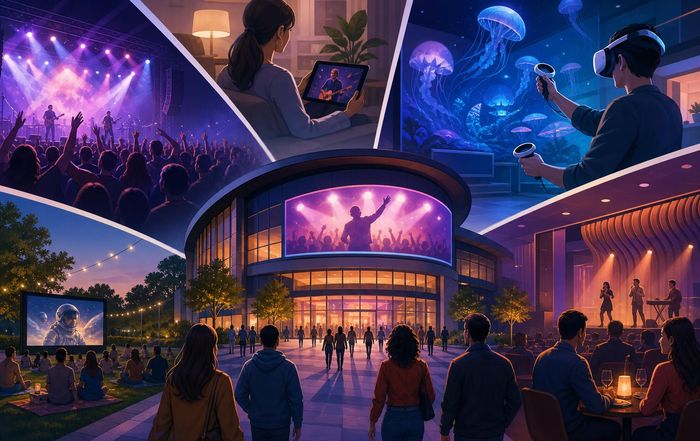
How Entertainment Venues Are Adapting to New Audiences
Live Venue Experiences!
The global entertainment landscape has been reshaped by shifting demographics, rapid technological innovation, and a series of economic and social disruptions that began earlier in the decade. For readers of usa-update.com, who follow developments across the economy, technology, lifestyle, and international trends, the evolution of entertainment venues offers a revealing window into how businesses are rethinking physical spaces, digital engagement, and revenue models to meet the expectations of new audiences. From concert halls and sports arenas in the United States to theaters and festivals across Europe, Asia, and beyond, operators are moving beyond traditional ticketing and static programming to build flexible, data-driven, and immersive environments that can withstand volatility and compete with the richness of at-home digital entertainment.
This transformation is not occurring in isolation. It intersects with broader shifts in consumer spending, regulatory frameworks, labor markets, and energy usage that usa-update.com regularly covers in its focus on the U.S. economy, business, and consumer behavior. As entertainment venues adapt, they are becoming testbeds for innovation in areas such as digital payments, artificial intelligence, sustainability, and hybrid work, making them strategically important for investors, policymakers, and executives across multiple sectors.
The New Audience: Demographics, Expectations, and Behaviors
Entertainment venues in 2026 are serving audiences that are more diverse, more digitally fluent, and more demanding than at any point in recent memory. In the United States and across North America, younger generations who grew up with ubiquitous streaming services, social media, and mobile gaming expect live experiences to match the personalization and interactivity they enjoy on platforms such as Netflix, YouTube, TikTok, and Twitch. At the same time, older demographics, including affluent retirees in the U.S., Europe, and countries such as Canada and Australia, are looking for higher comfort, safety, and service standards when attending concerts, theater performances, or sports events.
Research from organizations such as Pew Research Center and McKinsey & Company has highlighted how post-pandemic consumers blend online and offline experiences, with many choosing live events only when they offer clear added value over digital alternatives. Those who wish to understand shifting consumer sentiment can explore broader analyses of U.S. news and trends and international developments through outlets such as Pew Research Center and McKinsey's insights on media and entertainment.
In Europe and Asia, similar patterns are visible, although local cultural norms and regulatory environments shape how audiences engage with venues. In countries such as the United Kingdom, Germany, France, and the Netherlands, strong public support for the arts combines with rigorous safety and accessibility standards, prompting venues to prioritize inclusivity and sustainability. In South Korea, Japan, and Singapore, highly connected urban populations expect seamless integration between physical venues and digital ecosystems, including mobile-first ticketing, social media engagement, and advanced in-venue technologies.
Across these regions, younger audiences are also more value-conscious, influenced by inflation, housing costs, and student debt, while still willing to pay premium prices for unique, once-in-a-lifetime experiences. This duality is forcing venue operators to refine their pricing strategies, segment their offerings, and rely more heavily on data analytics to understand who is attending, what they value, and how to convert occasional visitors into loyal patrons.
Technology at the Core: Hybrid, Immersive, and Data-Driven Venues
The most visible shift in entertainment venues since the early 2020s has been the integration of advanced technology into every aspect of the live experience. Hybrid formats, where physical events are combined with digital access, have moved from emergency solutions during public health crises to long-term business strategies. Concerts, conferences, and sports events now frequently offer tiered digital access options, including live streams, on-demand replays, interactive chat features, and exclusive behind-the-scenes content, allowing venues to reach global audiences in markets such as South America, Asia, and Africa without physical expansion.
Organizations such as Live Nation Entertainment and major sports leagues have invested heavily in platforms that merge ticketing, streaming, and fan engagement, while technology providers including Microsoft, Amazon Web Services, and Google Cloud support the infrastructure behind large-scale live and virtual events. Those interested in the broader technological context can follow developments through MIT Technology Review or sector-specific coverage on Variety and The Hollywood Reporter.
Inside venues, immersive technologies such as augmented reality (AR), virtual reality (VR), and extended reality (XR) are being deployed to create layered experiences that extend beyond the main performance. In the United States, new multi-purpose arenas in cities like Las Vegas, Los Angeles, and Austin are experimenting with AR-enhanced fan zones, interactive art installations, and personalized content delivered via mobile apps. In Europe and Asia, venues in cities such as London, Berlin, Tokyo, and Seoul are integrating similar features, often in partnership with local technology startups and creative studios.
Data collection and analytics underpin these innovations. From the moment a customer interacts with a venue's website or mobile app, information about preferences, purchasing behavior, and engagement is captured and analyzed, subject to privacy regulations such as the General Data Protection Regulation (GDPR) in Europe and evolving state-level privacy laws in the United States. This data is used to tailor marketing campaigns, optimize dynamic pricing, design loyalty programs, and even inform programming decisions, as operators seek to align their offerings with the tastes of specific demographic segments.
For readers of usa-update.com who follow technology and innovation, the convergence of entertainment, data, and digital infrastructure illustrates how venues are becoming sophisticated platforms rather than static buildings, with implications for cybersecurity, cloud computing, and artificial intelligence adoption.
Health, Safety, and Trust: Building Confidence in Physical Spaces
Trust is now a central asset for any entertainment venue. Audiences in 2026 remain acutely aware of health, safety, and crowd management issues, influenced by past public health crises and high-profile incidents at large events. Operators in the United States, Canada, and across Europe and Asia have invested significantly in visible and invisible safety measures, ranging from advanced air filtration and touchless entry systems to real-time crowd analytics that help prevent overcrowding and improve emergency response.
Regulatory agencies and industry bodies, including the U.S. Centers for Disease Control and Prevention (CDC), the World Health Organization (WHO), and national safety regulators in countries such as the United Kingdom, Germany, and Japan, continue to update guidance on large gatherings, ventilation standards, and emergency preparedness. Those seeking a deeper understanding of evolving public health guidelines can review resources from the CDC and World Health Organization.
For venues, compliance is only the baseline. To win audience confidence, they must communicate safety measures clearly and consistently, ensuring that visitors understand what to expect before, during, and after events. Mobile apps and digital signage now frequently display information on venue capacity, cleaning schedules, and emergency procedures, while staff are trained to handle questions and concerns in a transparent and reassuring manner. Insurance requirements and liability considerations have also become more stringent, affecting contract negotiations with promoters, touring artists, and event organizers.
In North America and Europe, authorities have increasingly focused on crowd control, security screening, and fire safety, prompting venues to invest in training, simulation exercises, and technologies such as AI-assisted surveillance and predictive analytics. In regions such as Asia and the Middle East, large-scale events and mega-venues are often subject to additional governmental oversight, requiring close collaboration between operators, law enforcement, and municipal authorities.
For business leaders and policymakers tracking regulatory trends, usa-update.com provides additional context on regulation and compliance, highlighting how rules in sectors such as entertainment often foreshadow broader changes across the service economy.
Flexible Spaces and Multi-Use Strategies
One of the most significant strategic shifts among entertainment venues since the early 2020s has been the move toward flexibility and multi-use design. Rather than building single-purpose arenas or theaters that sit idle between major events, operators are designing spaces that can be reconfigured rapidly for concerts, esports competitions, conferences, trade shows, immersive art experiences, and corporate gatherings. This approach reflects lessons learned during periods of forced closure, when underutilized venues faced severe financial strain.
Architectural firms and engineering consultancies have collaborated with venue operators to create modular seating, movable stages, and adaptable acoustic systems that enable swift transitions between event types. In the United States, stadiums that once hosted only sports events now regularly accommodate music festivals, technology conferences, and community gatherings, while theaters in cities such as New York, Chicago, and San Francisco host rotating programs that blend live performance, film screenings, and interactive installations. Similar patterns are visible in Europe, where venues in cities like London, Paris, Berlin, and Madrid are diversifying their calendars to appeal to both local residents and international visitors.
In Asia-Pacific markets such as Singapore, South Korea, Japan, and Australia, multi-use venues are often integrated into larger mixed-use developments that combine retail, hospitality, residential, and office components, creating ecosystems that support year-round activity and multiple revenue streams. This model is particularly attractive to investors and urban planners seeking to revitalize city centers and waterfronts, and it aligns with broader trends in commercial real estate and urban regeneration.
Readers interested in how these strategies intersect with employment and labor dynamics can explore related coverage on jobs and employment trends and employment policy, as multi-use venues often require more versatile staffing models, cross-training, and new categories of technical and creative roles.
How Entertainment Venues Are Winning New Audiences
Explore the strategic shifts reshaping live venues: immersive tech, flexible spaces, safety, sustainability, loyalty, data, workforce skills, and regional growth.
Digital-first audiences
Mobile ticketing, personalization, streams, and app-based services now shape the full journey.
Flexible spaces
Venues are redesigned for concerts, esports, conferences, art, festivals, and corporate events.
Trust & responsibility
Safety, accessibility, sustainability, and community value have become competitive advantages.
Audience Experience Readiness Calculator
Move the slider to estimate how strongly a venue is adapting to new audience expectations.
Strong base: keep improving hybrid access, safety communication, and loyalty data.
Strategic Roadmap
Map audience segments
Identify younger digital natives, premium comfort seekers, tourists, local communities, and remote fans.
Layer digital engagement
Add mobile journeys, digital wallets, live streams, replays, exclusive content, and loyalty touchpoints.
Build resilience
Use modular design, diversified revenue, energy efficiency, staff training, and proactive governance.
Mini Decision Tree
What should a venue prioritize first?
The Economics of Adaptation: Revenue, Costs, and Investment
Behind the visible changes in programming and technology lies a complex economic recalibration. Entertainment venues in 2026 are operating in an environment characterized by fluctuating consumer spending, evolving sponsorship models, and rising costs related to labor, energy, insurance, and compliance. To remain viable, operators must diversify revenue streams, improve operational efficiency, and attract long-term investment, often from institutional investors, private equity firms, and sovereign wealth funds.
Traditional revenue sources such as ticket sales and concessions are now complemented by digital access fees, subscription-based fan clubs, premium VIP packages, and branded experiences developed in partnership with corporations in sectors such as technology, finance, and consumer goods. Major brands, including Coca-Cola, PepsiCo, Nike, and Adidas, continue to view venues as powerful platforms for experiential marketing, while financial institutions and fintech players are integrating payments, loyalty, and financial services into the event ecosystem. Those interested in the financial underpinnings of this evolution can consult analyses from organizations such as the International Monetary Fund and World Bank on global consumer spending and service-sector growth.
Cost management is equally critical. Rising wages in the United States, Europe, and parts of Asia, combined with supply chain challenges and higher energy prices, have increased operating expenses. Venues are responding by investing in energy-efficient infrastructure, automation, and predictive maintenance systems that reduce downtime and resource consumption. Partnerships with energy providers and technology firms enable the use of smart meters, LED lighting, and building management systems that optimize heating, cooling, and lighting based on real-time occupancy. For readers tracking energy markets and sustainability, usa-update.com offers broader context on energy trends and their impact on businesses.
Investment in new or upgraded venues increasingly depends on demonstrating resilience and adaptability. Lenders and investors are scrutinizing business plans to ensure that facilities can pivot between different event types, scale digital offerings, and maintain strong relationships with promoters, artists, and local communities. In markets such as the United States, Canada, and the United Kingdom, public-private partnerships remain a common mechanism for funding large venues, with municipalities often contributing infrastructure support in exchange for economic development, tourism, and job creation.
Sustainability and Social Responsibility as Competitive Advantages
In 2026, environmental and social considerations are no longer optional add-ons for entertainment venues; they are central to brand positioning, regulatory compliance, and risk management. Audiences, especially younger consumers in North America, Europe, and regions such as Scandinavia, increasingly evaluate venues based on their environmental footprint, community engagement, and labor practices. Venues that can demonstrate progress on these fronts are better positioned to attract both visitors and corporate partners.
Sustainability initiatives range from energy-efficient building design and renewable power usage to waste reduction, sustainable sourcing of food and merchandise, and promotion of low-carbon transport options. Certification schemes such as LEED (Leadership in Energy and Environmental Design) and BREEAM (Building Research Establishment Environmental Assessment Method) provide frameworks for assessing and communicating environmental performance, while organizations like the U.S. Green Building Council and World Resources Institute offer guidance on best practices. Venues in cities such as Copenhagen, Stockholm, Amsterdam, and Vancouver have become case studies in how to integrate sustainability into both construction and daily operations.
Social responsibility encompasses accessibility, diversity and inclusion, community outreach, and fair labor practices. Venues are expected to provide barrier-free access for people with disabilities, inclusive programming that reflects the diversity of local populations, and safe, harassment-free environments for staff and patrons. In the United States and Europe, anti-discrimination laws and labor regulations require venues to implement robust policies and training programs, while in emerging markets, international standards and corporate commitments often fill gaps where local regulations are less developed.
For readers of usa-update.com, who track lifestyle trends and evolving consumer values, the emphasis on sustainability and social responsibility reveals how entertainment venues are aligning with broader shifts in corporate governance and stakeholder expectations. Businesses that lead in these areas not only mitigate risk but also gain reputational advantages that can translate into higher demand and stronger partnerships.
Digital Engagement, Loyalty, and the Attention Economy
Entertainment venues operate within a fiercely competitive attention economy, where streaming platforms, social media, gaming, and short-form content vie for consumer time and spending. To remain relevant, venues must extend their relationships with audiences beyond the event itself, building ongoing engagement through digital channels, loyalty programs, and content strategies that reinforce the value of live experiences.
Mobile apps and integrated platforms now serve as the primary interface between venues and visitors, offering ticketing, wayfinding, food and beverage ordering, merchandise purchasing, and personalized recommendations. These apps often connect to broader ecosystems operated by technology companies such as Apple, Google, and Meta, enabling seamless integration with digital wallets, social networks, and content platforms. For those interested in how these technologies shape consumer behavior, resources such as Harvard Business Review and Forrester Research provide in-depth analysis of customer experience and digital transformation.
Loyalty programs have evolved from simple point-based systems to sophisticated, tiered structures that reward engagement across multiple touchpoints, including pre-event content consumption, social media activity, referrals, and repeat attendance. Some venues and promoters are experimenting with blockchain-based ticketing and digital collectibles, allowing fans to own verifiable digital mementos of their attendance, although regulatory scrutiny and market volatility have tempered the initial enthusiasm around certain crypto-based models.
Content strategy is another critical component. Venues are increasingly acting as media producers, generating behind-the-scenes footage, interviews, and recap videos that can be distributed across platforms such as YouTube, Instagram, and X (formerly Twitter). This content not only promotes future events but also reinforces the emotional connection between audiences and physical spaces. In markets such as South Korea and Japan, where fan culture is highly organized and engaged, venues collaborate closely with entertainment agencies and fan communities to co-create content and experiences that deepen loyalty.
For usa-update.com, which covers entertainment alongside business and technology, these developments highlight the convergence of media, marketing, and venue operations, underscoring the importance of integrated strategies that span both digital and physical realms.
Globalization, Localization, and Cultural Exchange
Entertainment venues in 2026 operate within a globalized industry where touring artists, international festivals, and cross-border collaborations are standard, yet they must also remain deeply rooted in local culture to resonate with their immediate communities. This balance between globalization and localization is particularly important for venues in major hubs such as New York, Los Angeles, London, Berlin, Tokyo, Seoul, Singapore, and São Paulo, which attract both local residents and international visitors.
Global touring circuits enable artists and productions to move efficiently between North America, Europe, Asia, and increasingly Africa and South America, supported by logistics providers, promoters, and agencies that coordinate schedules, transport, and marketing. Organizations such as AEG Presents, CAA, and WME play central roles in this ecosystem, while cultural institutions and public agencies in countries like France, Germany, and the United Kingdom provide funding and support for international cultural exchange. Those interested in broader cultural policy and international collaboration can explore resources from bodies such as UNESCO and the European Commission's culture and creative sectors.
At the same time, venues must reflect and celebrate local identities, traditions, and emerging talent. In the United States, this can mean programming that highlights regional music scenes, local theater companies, and community festivals, alongside global touring acts. In Europe, venues often collaborate with local arts organizations, universities, and cultural festivals to create distinctive offerings that differentiate them from competitors in other cities. In Asia, where governments in countries such as South Korea, Japan, and Singapore have invested heavily in creative industries, venues often serve as showcases for domestic talent that has gained international recognition through K-pop, anime, film, and gaming.
Tourism is a key driver of this global-local dynamic. Travelers from North America, Europe, and Asia increasingly seek authentic cultural experiences when visiting cities abroad, and entertainment venues are central to that appeal. For readers planning trips or analyzing tourism trends, usa-update.com provides additional context on travel and international developments and international news, illustrating how venues contribute to destination branding and economic impact.
Labor, Skills, and the Future Workforce of Entertainment Venues
The adaptation of entertainment venues to new audiences is also reshaping the workforce that supports them. From front-of-house staff and security personnel to sound engineers, lighting designers, data analysts, and digital marketers, the skills required to operate modern venues are becoming more varied and technologically intensive. At the same time, labor markets in the United States, Europe, and parts of Asia are tight, with competition for skilled workers and rising expectations around wages, benefits, and working conditions.
In North America and Europe, unions and professional associations representing stagehands, performers, technicians, and hospitality workers have negotiated new agreements that address issues such as flexible scheduling, health and safety protections, and training for new technologies. Educational institutions and vocational programs are updating curricula to include digital production, event technology, and customer experience management, while major venue operators and promoters are investing in in-house training and apprenticeship schemes.
The rise of hybrid and digital events has created new roles focused on streaming production, remote audience engagement, and data analysis. Professionals with experience in software development, UX design, and digital content creation are increasingly in demand, blurring the boundaries between traditional entertainment roles and technology careers. In markets such as Canada, the Netherlands, and the Nordic countries, where public support for arts and education is robust, coordinated efforts between government, industry, and academia are helping to build sustainable talent pipelines.
Readers following labor and career trends can find additional insights on jobs and employment at usa-update.com, where coverage of workforce dynamics in entertainment connects to broader shifts in the service economy, remote work, and skills development.
Regulation, Risk, and Governance
As entertainment venues become more technologically advanced, globally connected, and economically significant, they face a more complex regulatory and governance environment. Issues such as data privacy, ticketing transparency, secondary markets, consumer protection, and competition law are now central concerns for operators, regulators, and consumer advocates alike.
In the United States, federal and state authorities have scrutinized ticketing practices, particularly in relation to dynamic pricing, service fees, and resale platforms. High-profile cases involving major ticketing companies and promoters have prompted calls for greater transparency and competition, with ongoing debates about how best to protect consumers while allowing market flexibility. Organizations such as the Federal Trade Commission (FTC) and state attorneys general play key roles in enforcing consumer protection laws, while advocacy groups and industry associations lobby for reforms.
In Europe, the European Commission and national regulators enforce competition rules, data protection under the GDPR, and consumer rights related to event cancellations, refunds, and fair terms. In markets such as the United Kingdom, Germany, and France, regulators have taken action against misleading advertising and unfair contract terms in the entertainment sector, setting precedents that influence global practices. For those interested in regulatory developments and consumer rights, resources from the European Commission and OECD provide comparative perspectives.
Cybersecurity and digital risk are also rising priorities. As venues collect more data and rely on networked systems for ticketing, access control, and in-venue services, they become potential targets for cyberattacks and data breaches. Governance frameworks must therefore include robust cybersecurity measures, incident response plans, and compliance with standards such as ISO/IEC 27001. Boards and executive teams overseeing large venue portfolios are increasingly expected to demonstrate competence in digital risk management, with investors and insurers factoring cybersecurity posture into their assessments.
For usa-update.com readers tracking regulation, the entertainment sector offers a clear example of how digital transformation brings both opportunity and regulatory scrutiny, underscoring the need for proactive governance and stakeholder engagement.
Opportunities and Challenges Across Regions
The pace and nature of adaptation among entertainment venues vary across regions, influenced by economic conditions, infrastructure, cultural norms, and policy frameworks. In the United States and Canada, a combination of private investment, public support, and entrepreneurial innovation has led to a wave of new and renovated venues, particularly in growing metropolitan areas and destination cities. However, smaller markets and independent venues continue to face financial pressure, relying on local community support, grants, and creative programming to survive.
In Europe, strong cultural policies and public funding in countries such as Germany, France, the Netherlands, and the Nordic nations support a dense network of venues, from large concert halls to small community theaters. These systems provide resilience but can also be constrained by bureaucratic processes and budgetary pressures. In the United Kingdom, Brexit-related challenges and changing funding structures have added complexity to the operating environment for venues and touring productions, particularly those that rely on cross-border mobility.
Asia presents a diverse picture. In countries such as South Korea, Japan, Singapore, and China, rapid urbanization, rising middle-class incomes, and government-backed investments in cultural infrastructure have fueled the development of cutting-edge venues and entertainment districts. These markets are at the forefront of integrating technology, retail, and hospitality into entertainment experiences. In Southeast Asia, including Thailand and Malaysia, growth is strong but uneven, with significant opportunities in tourism-oriented cities and challenges related to infrastructure and regulation in others.
In South America and Africa, markets such as Brazil and South Africa are expanding their entertainment infrastructure, driven by urban growth, youth demographics, and increasing international interest. However, economic volatility, currency fluctuations, and political risk can pose challenges for long-term investment. International organizations and development banks sometimes play a role in financing cultural infrastructure projects, recognizing their potential to support tourism, employment, and social cohesion.
For global business leaders and policymakers, these regional variations highlight the importance of local knowledge and partnerships. Coverage on international business and events at usa-update.com can provide additional context for readers evaluating cross-border opportunities in the entertainment sector.
The Role of Media, Finance, and Cross-Industry Partnerships
Entertainment venues do not operate in isolation; they are embedded within broader ecosystems that include media companies, financial institutions, technology providers, and consumer brands. Cross-industry partnerships have become a defining feature of venue strategies in 2026, enabling operators to share risk, access capital, and tap into specialized expertise.
Media conglomerates such as Disney, Comcast's NBCUniversal, Warner Bros. Discovery, and Paramount Global leverage their content libraries, franchises, and distribution networks to create live experiences that extend their brands into physical spaces. Theme parks, touring shows, fan conventions, and immersive exhibitions based on film, television, and gaming IP draw audiences to venues around the world, blurring the line between screen-based entertainment and live events. Those seeking to understand the media dimension of this trend can follow industry coverage from Deadline and Screen Daily.
Financial institutions, including major banks and asset managers, provide financing for venue construction and renovation, often through complex capital structures involving municipal bonds, private equity, and real estate investment trusts (REITs). Specialized investment firms focus on infrastructure and experiential assets, viewing venues as long-term holdings that can generate stable cash flows when well-managed. Readers interested in the financial and investment aspects of this landscape can explore related analyses on finance and markets at usa-update.com.
Technology companies, from global giants to regional startups, partner with venues to deploy solutions in areas such as digital ticketing, biometrics, crowd analytics, AR/VR experiences, and cybersecurity. These collaborations often take the form of multi-year agreements that position venues as showcase sites for new technologies, creating mutual benefits in terms of innovation, marketing, and data insights.
Consumer brands across sectors such as automotive, beverages, fashion, and electronics use venues as platforms for experiential marketing, product launches, and customer engagement, integrating their offerings into the event experience through sponsorships, pop-up installations, and co-branded content. This convergence of media, finance, technology, and consumer industries underscores the strategic significance of entertainment venues as hubs of economic and cultural activity.
Thinking What's Still To Come: Major Needs and Imperatives
Entertainment venues that succeed in adapting to new audiences share several common strategic imperatives. They embrace technology not as a novelty but as an integrated component of the customer journey, from discovery and booking to in-venue experience and post-event engagement. They invest in flexible spaces and multi-use models that allow for rapid adaptation to changing demand and unforeseen disruptions. They place health, safety, sustainability, and social responsibility at the core of their value proposition, recognizing that trust and reputation are fundamental to long-term success.
Equally important, leading venues develop sophisticated data capabilities and governance frameworks, enabling them to personalize offerings, optimize operations, and navigate regulatory complexities while respecting privacy and ethical considerations. They cultivate diverse, skilled workforces equipped to manage both physical and digital dimensions of live experiences, and they build robust partnerships across media, finance, technology, and consumer sectors.
For the great readership of USA update, which covers professional interests in economy, business, entertainment, technology, and consumer trends, the evolution of entertainment venues offers valuable insights into how organizations can respond to disruptive change with innovation, resilience, and a renewed focus on experience, expertise, authoritativeness, and trustworthiness. As live events continue to reclaim their place in the cultural and economic fabric of cities across the United States, North America, and the wider world, venues that understand and anticipate the needs of new audiences will not only survive but thrive, shaping the future of shared human experiences in an increasingly digital age.
