
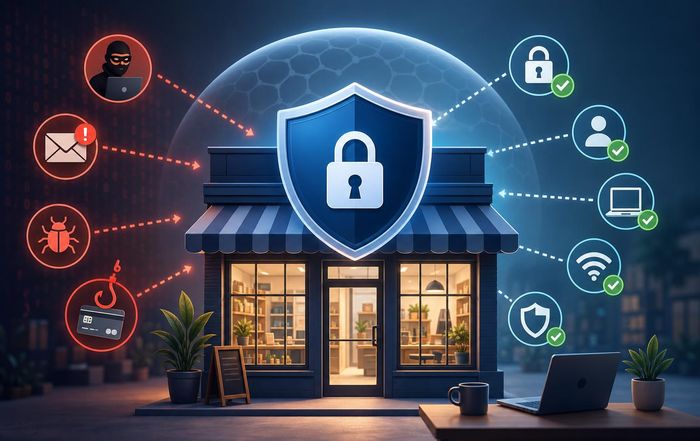
Why Cybersecurity Awareness Matters for Small Enterprises
The New Cyber Reality for Small Businesses!
Cybersecurity is no longer a niche technical concern reserved for large corporations and government agencies; it has become a core business risk for small enterprises across the United States, North America, and major markets worldwide. As digital transformation accelerates and cloud-based tools, remote work, and online payments become standard, small firms are increasingly exposed to threats that were once the domain of multinational corporations. For a premium online publication like USA update, which serves subscribing members and also returning visiting readers interested in the economy, business, jobs, technology, regulation, and consumer issues, the rise of cyber risk is not an abstract story but a daily operational reality that shapes competitiveness, trust, and long-term resilience.
Cybercriminals have learned that small organizations often hold valuable data but operate with limited security budgets and expertise, making them attractive and relatively easy targets. According to the Federal Bureau of Investigation and other law enforcement agencies, reported cyber incidents affecting smaller firms have grown steadily over the past several years, with ransomware, phishing, and business email compromise attacks now common across sectors. Readers who follow ongoing developments on U.S. economic and business trends increasingly recognize that a single data breach can erase years of profit, damage a carefully built brand, and trigger regulatory and legal consequences that many small firms are not prepared to handle.
In this context, cybersecurity awareness is not merely an IT training topic; it is a strategic business capability that directly affects revenue, customer relationships, workforce stability, and even access to credit and insurance. Small enterprises that understand this shift and invest in practical, risk-based cybersecurity awareness programs position themselves not only to avoid loss but also to win new opportunities in supply chains, partnerships, and digital markets where trust and compliance are decisive factors.
Understanding the Threat Landscape
The cyber threat environment facing small enterprises in 2026 is broader, more automated, and more commercially organized than at any point in the past. Attackers leverage sophisticated tools that are widely available on criminal marketplaces, while advances in artificial intelligence, deepfake technology, and automated phishing kits lower the barrier to entry for less skilled actors. Organizations such as CISA and NIST in the United States provide detailed guidance on emerging threats, but many small firms remain unaware of how these risks translate into day-to-day vulnerabilities in their own operations. Those who follow ongoing technology coverage and digital innovation updates can see the dual nature of this evolution: the same technologies that power growth also expand the potential attack surface.
One of the most pervasive threats remains ransomware, in which attackers encrypt a company's data and demand payment, often in cryptocurrency, to restore access. Learn more about how ransomware has evolved from opportunistic attacks to targeted campaigns against smaller organizations by consulting resources from https://www.cisa.gov. Phishing attacks, where employees are tricked into clicking malicious links or sharing login credentials, continue to rise in sophistication, frequently using realistic branding and personalized details gathered from social media and public sources. Business email compromise scams, which involve impersonating executives or suppliers to redirect payments, have caused substantial losses for small firms engaged in domestic and international trade, affecting the broader ecosystem of business and international commerce that usa-update readers and verified subs monitor closely.
In addition, the growth of remote and hybrid work arrangements, cross-border e-commerce, and cloud-based collaboration tools has blurred traditional network boundaries. Small enterprises often rely on a mix of personal devices, shared Wi-Fi networks, and third-party platforms, each of which may introduce vulnerabilities if not properly configured and monitored. Organizations like ENISA in Europe and INTERPOL globally highlight how attackers now routinely exploit weak passwords, unpatched software, and misconfigured cloud storage to gain initial access. As supply chains become more interconnected, a breach at a small supplier in Canada, Germany, or Brazil can quickly propagate to larger partners in the United States or Asia, turning local incidents into international disruptions that are closely tracked in global news and regulatory updates.
Why Small Enterprises Are Prime Targets
A persistent misconception among small business owners is the belief that cybercriminals are primarily interested in large corporations with vast databases and deep pockets. In reality, attackers often prefer smaller organizations precisely because they tend to have weaker defenses, less formal security policies, and limited resources for incident response. Reports from organizations such as the National Cyber Security Centre in the United Kingdom and the Australian Cyber Security Centre show that small and medium enterprises are frequently overrepresented in cyber incident statistics relative to their size in the economy. This pattern holds across sectors, from retail and hospitality to manufacturing, professional services, and nonprofit organizations.
Cyber Threat Risk Assessment
Evaluate your organization's vulnerability level
Small enterprises typically manage sensitive customer data, payment information, intellectual property, and confidential supplier details, all of which can be monetized quickly on underground markets or used for extortion. In regions like North America, Europe, and Asia, where digital payment systems and online customer portals are now standard, the value of this data has risen considerably. Learn more about how data has become a critical economic asset by exploring research from https://www.weforum.org. Attackers understand that a small business owner facing operational disruption may feel intense pressure to pay a ransom or comply with extortion demands in order to stay afloat, particularly when insurance coverage is limited or uncertain.
In addition, small firms often serve as entry points into larger organizations through supply chain relationships. A compromised vendor in Italy, Spain, or South Africa may have network connections, shared credentials, or trusted communications channels with larger clients, enabling attackers to pivot from a small initial target to a more lucrative one. This supply chain dimension has drawn the attention of regulators and industry groups worldwide, with frameworks such as the NIST Cybersecurity Framework and the ISO/IEC 27001 standard emphasizing third-party risk management. Businesses that follow regulatory and compliance developments on usa-update.com will recognize that major buyers increasingly require evidence of basic cybersecurity controls from their smaller partners, turning security awareness into a prerequisite for market access and contract eligibility.
The Business Impact: Beyond Technical Disruption
When a small enterprise suffers a cyber incident, the consequences extend far beyond temporary IT problems. For many organizations, the most damaging effects are financial, reputational, and operational, with long-lasting implications for growth, employment, and customer relationships. The direct costs can include ransom payments, forensic investigations, system restoration, legal fees, and regulatory fines, particularly in jurisdictions with stringent data protection laws such as the European Union's GDPR or California's privacy regulations. Learn more about how data protection rules are evolving globally by reviewing resources from https://www.oecd.org.
Indirect costs are often even more significant. Customers who learn that their personal or financial data has been exposed may lose trust and shift their business to competitors, especially in sectors like online retail, professional services, and healthcare, where confidentiality is paramount. For readers who track consumer behavior and market confidence, it is increasingly evident that trust is a fragile asset in a digital marketplace and that a single breach can undo years of brand-building. Employees may experience stress and uncertainty during and after an incident, particularly if payroll, scheduling systems, or internal communications are disrupted, which can in turn affect retention and recruitment in already tight labor markets.
Cyber incidents also have implications for financing and insurance. Banks, investors, and insurers are paying closer attention to the cybersecurity posture of small enterprises when evaluating creditworthiness, underwriting policies, or negotiating terms. Organizations such as the World Bank and International Monetary Fund have highlighted cyber risk as a systemic concern for financial stability, underscoring that resilience at the small business level contributes to broader economic health. Businesses that maintain strong security awareness programs and can demonstrate adherence to recognized best practices may benefit from more favorable borrowing conditions and access to specialized cyber insurance products, while those that neglect these areas may face higher premiums or limited coverage, issues that intersect directly with finance and business coverage on usa-update.com.
Cybersecurity as a Component of Corporate Culture
For small enterprises, building a culture of cybersecurity awareness is often more effective than relying solely on technical solutions or periodic training sessions. Culture, in this context, refers to the shared values, attitudes, and behaviors that shape how employees, managers, and owners think about and respond to digital risk. When cybersecurity is integrated into everyday decision-making, from how emails are handled to how new software is selected, the organization becomes more resilient, even when facing sophisticated and evolving threats.
Leadership plays a decisive role in setting this tone. Owners, founders, and senior managers must communicate clearly that cybersecurity is a business priority, not an optional technical add-on. Resources from Harvard Business Review and similar outlets explain how leaders who model good cyber hygiene-such as using strong passwords, enabling multi-factor authentication, and participating in training-send a powerful signal to their teams. Learn more about effective leadership in digital transformation contexts by consulting https://www.mckinsey.com. Small enterprises that weave cybersecurity into onboarding processes, performance expectations, and regular staff meetings are more likely to sustain awareness over time, even when turnover is high or workloads are intense.
Creating this culture also involves aligning cybersecurity with the organization's mission and values. For a community-based business in the United States, a tech startup in Canada, or a family-owned manufacturer in Germany, protecting customer data and ensuring uninterrupted service can be framed as an extension of existing commitments to quality, integrity, and reliability. Publications like usa-update.com, which regularly highlight employment and workplace trends, can help small enterprises understand how a strong cybersecurity culture supports employee engagement and professional development by giving staff the skills and confidence to operate safely in digital environments.
Practical Awareness: People as the First Line of Defense
Technology alone cannot protect a small enterprise if its people are not equipped to recognize and respond to threats. Human error remains a leading cause of security incidents, whether through clicking on malicious links, reusing weak passwords, or mishandling sensitive data. However, with targeted, ongoing awareness efforts, employees at all levels can become a powerful first line of defense rather than a liability.
Effective cybersecurity awareness programs for small enterprises are grounded in practical, relatable scenarios rather than abstract technical theory. For instance, training that shows staff how to spot suspicious email addresses, unexpected attachments, or unusual payment requests is more impactful when it draws on real examples from the company's sector or region. Organizations such as SANS Institute and Cyber Readiness Institute offer guidance on structuring such programs. Learn more about practical cyber hygiene and everyday security practices by visiting https://www.staysafeonline.org, which provides resources tailored to businesses of varying sizes.
Regular, short training sessions, combined with simulated phishing tests and clear reporting channels, help reinforce good habits without overwhelming employees. It is important that staff feel safe reporting mistakes or suspicious activity; a culture of blame can discourage early reporting and allow incidents to escalate. Small enterprises that discuss cybersecurity in team meetings, share brief security tips in internal newsletters, and recognize employees who demonstrate good security practices create an environment where vigilance becomes routine. For readers following jobs and workplace dynamics, it is worth noting that cybersecurity awareness can also be framed as a valuable professional skill, enhancing employees' career prospects in a labor market that increasingly values digital literacy.
Regulatory, Legal, and Contractual Drivers
Cybersecurity awareness for small enterprises is not only a matter of risk management and culture but also a growing legal and regulatory obligation. Governments in the United States, Europe, Asia, and other regions have introduced or updated laws that require organizations to protect personal data, report breaches, and implement reasonable security measures. In the United States, sector-specific regulations, state privacy laws, and federal guidance create a complex landscape that small firms must navigate, especially those operating in healthcare, financial services, or critical infrastructure sectors. Learn more about evolving U.S. regulatory expectations and enforcement priorities by consulting https://www.ftc.gov, where the Federal Trade Commission outlines its approach to data security and consumer protection.
In Europe, regulations such as the GDPR and the NIS2 Directive impose stringent requirements on organizations that process personal data or provide essential services, with potential fines that can be devastating for small enterprises. Similar frameworks are emerging in countries across Asia, including Singapore, Japan, and South Korea, as well as in regions like South America and Africa. Small firms that trade internationally or handle data from overseas customers must be aware of these obligations, even if they are physically located in the United States or Canada. Keeping up with international regulatory developments and cross-border business issues is therefore essential for any enterprise that operates online or engages in global commerce.
Contractual requirements further reinforce this trend. Large corporations, government agencies, and institutional clients increasingly include cybersecurity clauses in their contracts with suppliers and service providers, specifying minimum security controls, incident reporting timelines, and audit rights. Small enterprises that wish to participate in these supply chains must demonstrate awareness of these requirements and show that they have implemented appropriate measures. Resources from ISO and NIST can help small businesses understand what is expected, while industry associations and chambers of commerce often provide sector-specific guidance. The intersection of regulation, contracts, and risk management is now a central theme in business and regulatory reporting that informs strategic decisions for small firms.
Economic and Strategic Advantages of Cyber Awareness
While cybersecurity is often framed in terms of cost and compliance, small enterprises that embrace awareness as a strategic capability can unlock tangible economic advantages. In competitive markets across the United States, Europe, and Asia, customers increasingly prefer to do business with organizations that can credibly demonstrate their commitment to data protection and operational resilience. For readers who follow business trends and market positioning, it is clear that trust has become a differentiator, particularly in digital-first industries such as e-commerce, fintech, and online services.
By investing in cybersecurity awareness, small enterprises can reduce the likelihood and severity of incidents, thereby avoiding the direct and indirect costs associated with breaches. Over time, this can translate into lower insurance premiums, fewer disruptions to revenue, and improved cash flow stability, all of which are critical for long-term survival and growth. Learn more about how risk management and resilience strategies contribute to financial performance by reviewing analysis from https://www.brookings.edu, which explores the intersection of technology, regulation, and economic outcomes.
Cyber awareness can also open doors to new opportunities. Many large organizations, including Microsoft, Amazon Web Services, and Google Cloud, offer partner programs, marketplaces, and co-selling arrangements that require participants to meet specific security standards. Small enterprises that build robust security practices and document their controls are better positioned to join these ecosystems, access new customers, and expand into international markets. Furthermore, as governments in countries such as Germany, Canada, and Singapore promote digitalization and innovation through grants and procurement initiatives, they often prioritize suppliers who demonstrate strong cybersecurity awareness and compliance, creating additional incentives for small firms to invest in this area.
Sector-Specific Considerations Across Regions
Cybersecurity awareness takes different forms depending on the sector and region in which a small enterprise operates, and understanding these nuances is crucial for effective risk management. In the United States and Canada, for example, small healthcare providers, clinics, and telemedicine startups must contend with strict privacy regulations and the high value of medical data on the black market, making them frequent targets of ransomware and data theft. Learn more about healthcare cybersecurity challenges and best practices by consulting resources from https://www.hhs.gov, where the U.S. Department of Health and Human Services publishes sector-specific guidance.
In Europe, small manufacturers in Germany, Italy, and the Netherlands that participate in Industry 4.0 initiatives face risks associated with connected machinery, industrial control systems, and intellectual property theft. For these firms, cybersecurity awareness must extend beyond office staff to include engineers, plant operators, and maintenance personnel who interact with operational technology. In Asia, small enterprises in countries such as Singapore, Japan, and South Korea that engage in cross-border e-commerce or fintech services must navigate both local regulations and the expectations of global customers, making awareness of international standards and payment security practices essential. Visiting readers who like to follow technology and innovation coverage here will recognize that as more sectors adopt cloud platforms, Internet of Things devices, and AI tools, the boundaries between traditional IT and operational environments continue to blur.
Tourism and travel-related small businesses, from boutique hotels in Thailand and New Zealand to tour operators in South Africa and Brazil, face their own set of challenges. Online booking systems, digital payment platforms, and customer review sites collect and process large volumes of personal and financial data, while seasonal staffing and high employee turnover can complicate awareness efforts. For those following travel and lifestyle industries, it is clear that a security incident during peak season can have disproportionate economic consequences, underscoring the need for continuous awareness and simple, well-communicated security procedures that temporary staff can quickly adopt.
Integrating Cybersecurity into Daily Operations
For many small enterprises, the question is not whether cybersecurity awareness matters, but how to integrate it into daily operations without overwhelming limited resources. The most effective strategies are incremental and pragmatic, focusing on high-impact actions that align with existing workflows and priorities. Rather than attempting to implement every possible control at once, small firms can begin by identifying their most critical assets-such as customer databases, financial systems, and key intellectual property-and focusing awareness efforts on the people and processes that interact with these assets.
Organizations such as NIST provide simplified frameworks that help small businesses assess their current security posture, identify gaps, and prioritize improvements. Learn more about using risk-based approaches and practical guidance for smaller organizations by visiting https://www.nist.gov, which offers resources tailored to non-experts. Awareness initiatives can then be aligned with these priorities, ensuring that employees who handle sensitive data receive more frequent and specialized training, while general staff are equipped with foundational skills such as recognizing phishing attempts and protecting their devices.
Embedding cybersecurity into routine processes is equally important. For example, small enterprises can incorporate security checks into onboarding and offboarding procedures, vendor selection, and software procurement decisions. Regularly scheduled reviews of access rights, password policies, and backup procedures can be combined with short awareness reminders, turning what might otherwise be sporadic initiatives into sustained practices. Readers who track unaffiliated and impartial news and events related to cyber incidents will appreciate that organizations that rehearse their response to potential attacks-through tabletop exercises or incident simulations-tend to recover more quickly and communicate more effectively with customers, regulators, and partners when real incidents occur.
The Place of Public-Private Collaboration and Community Support
Small enterprises do not have to navigate cybersecurity challenges alone. A growing ecosystem of public agencies, industry associations, nonprofits, and private-sector partners offers tools, training, and support tailored to smaller organizations. Government initiatives in the United States, such as programs from CISA, the Small Business Administration, and state-level cyber centers, provide free or low-cost resources that can significantly enhance awareness and preparedness. Learn more about small business cybersecurity programs and guidance by consulting https://www.sba.gov, which aggregates information on training, grants, and best practices.
Industry groups and chambers of commerce across North America, Europe, and Asia increasingly host workshops, webinars, and peer-learning sessions focused on cybersecurity for small enterprises. These forums allow business owners to share experiences, learn from incidents in their sectors, and understand how peers are addressing similar challenges. For usa-update, which passionately covers events and business-focused gatherings, highlighting such collaborative initiatives can help readers discover practical opportunities to strengthen their own organizations.
Private-sector providers, including managed security service providers and cloud platform vendors, also play a role in supporting small enterprises, often bundling security tools and awareness training into broader service offerings. However, it is important for small business owners to approach these relationships with an informed perspective, understanding that while outsourcing certain functions can be efficient, ultimate responsibility for data protection and regulatory compliance remains with the organization itself. Cybersecurity awareness at the leadership level enables better evaluation of vendor claims, more effective contract negotiations, and clearer expectations regarding incident response and reporting.
Forward Thinking - Cyber Awareness as a Core Business Competency!
As space and time progresses and digital technologies continue to reshape the global economy, cybersecurity awareness is solidifying its place as a core competency for small enterprises, on par with financial literacy, customer service, and operational efficiency. The convergence of regulatory expectations, customer demands, and evolving threats means that organizations that fail to cultivate this competency risk falling behind, not only in terms of security but also in market relevance and growth potential. For the fantastic and engaged fans and followers here who track daily updated developments in economy, business, technology, jobs, and consumer behavior, this trend underscores the need to view cybersecurity not as a temporary project but as an enduring element of strategic planning.
Small enterprises that succeed in this environment will be those that treat cybersecurity awareness as an ongoing journey rather than a one-time task. They will regularly revisit their risk assessments, update training materials, and adapt their policies to reflect new technologies, business models, and regulatory requirements. They will cultivate partnerships with public agencies, industry groups, and trusted vendors, leveraging external expertise while building internal capability. Learn more about how continuous improvement and adaptive risk management contribute to organizational resilience by exploring thought leadership from https://www.deloitte.com, which analyzes long-term trends in cybersecurity and governance.
Ultimately, cybersecurity awareness matters for small enterprises because it enables them to participate fully and confidently in the digital economy. It protects jobs, sustains customer trust, and supports innovation in sectors ranging from entertainment and lifestyle services to manufacturing, finance, and travel. For a super online business hubs, which connects academic and sometimes scientific thinkers with 100% new and original insights across news, business, technology, lifestyle, and more, the message is clear: in an interconnected world where data, systems, and markets span continents, cybersecurity awareness is not simply a defensive measure; it is a means of sustainable growth and competitive advantage for small enterprises in the United States and around the globe.
