
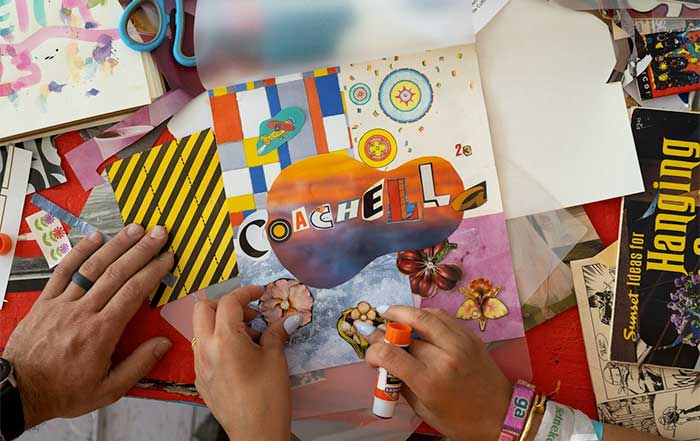
Coachella: How a Desert Festival Became a Global Economic, Cultural, and Technological Powerhouse
From Desert Experiment to Global Institution
By 2026, the Coachella Valley Music and Arts Festival has long since transcended its origins as a bold desert experiment and evolved into a central case study in how culture, business, technology, and global tourism intersect in the United States. For the business-focused readers of USA Update, Coachella is no longer just a headline entertainment story; it is a mature ecosystem that reveals how a single event can generate sustained economic impact, shape international perceptions of American culture, and serve as a testbed for innovation in live experiences, digital media, and consumer behavior.
When Paul Tollett and Rick Van Santen of Goldenvoice staged the inaugural Coachella in 1999 at the Empire Polo Club in Indio, California, their ambition was to bring a European-style festival sensibility to the United States, drawing inspiration from established events like Glastonbury in the United Kingdom and Roskilde in Denmark. The first edition, with a lineup that included Beck, Rage Against the Machine, and The Chemical Brothers, fell short of commercial expectations, but it planted the seeds of an experience-driven model that would later define a generation of festivals. What began as a risky bet in the late 1990s has, by 2026, become a benchmark in the global live entertainment industry, with implications that extend far beyond music into U.S. economic trends, employment, technology, and consumer culture.
The early 2000s were critical in establishing Coachella's identity. By booking acts such as Radiohead, The White Stripes, and Coldplay, Goldenvoice crafted a lineup strategy that balanced credibility with commercial appeal, attracting a growing audience of dedicated music fans while slowly pulling in mainstream attention. The festival's desert setting, framed by the San Jacinto Mountains and enhanced by large-scale art installations, differentiated it from urban events and positioned it as an immersive cultural pilgrimage. As major media outlets including Rolling Stone, Billboard, and The New York Times began to cover the festival's performances and cultural significance, Coachella's reputation expanded from a regional California gathering to a national and then international symbol of contemporary music culture. Readers who follow evolving entertainment and cultural narratives can find further context in USA Update's entertainment coverage.
Building a Cultural and Economic Landmark
Over the next two decades, Coachella refined a formula that combined artistic ambition with disciplined operational management. The decision in 2012 to expand to two consecutive weekends with nearly identical lineups was a turning point that signaled the festival's transition from a large event to a scaled entertainment platform. This move allowed Goldenvoice and its parent company AEG Presents (part of Anschutz Entertainment Group) to double capacity, spread logistical pressure, and increase revenue while maintaining a controlled, high-quality experience.
This operational model has made Coachella one of the most valuable assets in the U.S. live entertainment portfolio. Industry analyses from organizations such as Pollstar and coverage by outlets like Billboard and Variety have consistently ranked Coachella among the world's highest-grossing festivals. In peak years, gross revenues have exceeded the hundred-million-dollar mark, supported not only by ticket sales but also by sponsorships, concessions, and premium experiences. The festival's performance has become a key data point in understanding the resilience and growth trajectory of the broader U.S. live events sector, especially in the aftermath of the pandemic disruptions earlier in the 2020s. For readers tracking the financial dimensions of entertainment, USA Update's finance section provides additional analysis of how such events integrate into capital markets, media conglomerates, and investor strategies.
Coachella's contribution to the regional economy of the Coachella Valley and the state of California is equally significant. Studies cited by regional tourism boards and industry groups have estimated that the festival injects hundreds of millions of dollars into local communities each year, supporting hotels, vacation rentals, restaurants, transportation providers, and a wide range of hospitality and service businesses. The event has also helped reposition the Coachella Valley-from Palm Springs to Indio-as a year-round tourism and events hub, complementing traditional leisure and golf tourism with a younger, more diverse, and more international visitor base. Readers interested in how major events reshape travel patterns can explore broader U.S. travel trends and the evolving role of destination branding.
Iconic Performances and the Power of Cultural Moments
Coachella's enduring influence is inseparable from the performances that have defined its history. Industry observers frequently point to Daft Punk's 2006 set, staged within a now-legendary pyramid of lights, as a watershed in live electronic music production and a catalyst for the explosion of EDM-focused festivals worldwide. Similarly, Prince's 2008 performance demonstrated the festival's ability to attract and showcase musical legends, while Dr. Dre and Snoop Dogg's 2012 set-featuring the holographic recreation of Tupac Shakur-signaled a new era in the integration of digital effects with live performance.
Perhaps no moment crystallized Coachella's global cultural power as clearly as Beyoncé's 2018 headlining performance, widely dubbed "Beychella." That show, meticulously choreographed and deeply rooted in Black cultural history and HBCU marching band traditions, was not merely a concert but a statement of identity, representation, and artistic ambition. It was simultaneously a live event, a global livestream, and later a streaming documentary via Netflix, demonstrating how Coachella's stage could anchor multi-platform content strategies. Coverage from outlets such as The Guardian and The Washington Post framed the performance as a cultural milestone, illustrating how a festival originally modeled on European rock gatherings had become a platform for some of the most important artistic narratives of the twenty-first century.
These landmark performances underscore why Coachella remains a critical case study for business leaders and policymakers tracking the evolution of American soft power. The festival is not only a revenue generator; it is a global amplifier of cultural messages that shape perceptions of the United States among audiences from Europe, Asia, South America, and beyond. Readers interested in how cultural exports influence diplomacy, branding, and international relations can explore USA Update's international coverage.
Fashion, Lifestyle, and the Commercialization of Aesthetics
By the mid-2010s, Coachella had become a powerful engine for lifestyle and fashion trends, making the festival a recurring focal point for brands and designers. The so-called "festival chic" aesthetic-bohemian silhouettes, fringe, denim cutoffs, floral motifs, and desert-inspired accessories-spread rapidly across retail channels, from fast-fashion chains to luxury labels. Companies such as H&M and Forever 21 launched dedicated festival collections, while higher-end brands like Saint Laurent and Chloé used Coachella-adjacent imagery in campaigns targeting younger consumers.
Fashion media including Vogue, Harper's Bazaar, and Elle began to treat Coachella as a semi-official launch of spring and summer style trends, devoting extensive coverage to celebrity and influencer outfits. This dynamic turned the festival into both a runway and a laboratory for consumer behavior, where brands could observe how new looks, accessories, and collaborations performed in real time across social networks. For readers focused on consumer markets and branding, USA Update's consumer insights offer a broader view of how experiential events shape purchasing decisions and brand loyalty.
In parallel, Coachella has been instrumental in defining a certain aspirational lifestyle narrative centered on wellness, travel, and digital visibility. Yoga sessions, wellness activations, gourmet food options, and curated "experiences" have become part of the festival's texture, aligning with broader shifts in how younger demographics prioritize experiences over physical goods. For lifestyle and culture observers, this convergence of music, fashion, wellness, and social media content offers a revealing snapshot of changing values in American and global youth culture, a theme regularly explored in USA Update's lifestyle coverage.
🎪 Coachella: Evolution Timeline
From Desert Experiment to Global Cultural Powerhouse
The Influencer and Celebrity Economy in the Desert
By the late 2010s and early 2020s, Coachella had firmly established itself as a nexus of celebrity and influencer activity. Coverage from outlets such as People, Vanity Fair, and E! News routinely highlighted appearances by figures like Kendall Jenner, Gigi Hadid, Vanessa Hudgens, and Leonardo DiCaprio, while social media creators built entire seasonal content strategies around the festival. For many influencers, being seen at Coachella-and documenting every moment on Instagram, TikTok, and YouTube-became a form of professional capital, signaling relevance, access, and brand alignment.
Brands across sectors-from beauty and fashion to beverages, technology, and automotive-have used Coachella as a platform for influencer-driven campaigns. Sponsored trips, branded houses, pop-up lounges, and exclusive parties allow companies to generate high volumes of user-generated content and social impressions in a compressed time frame. In effect, the festival serves as a dense, real-world social graph in motion, where collaborations, endorsements, and narratives are created live and then distributed globally in near real time.
This blending of cultural participation and marketing has sparked debate among critics and fans, some of whom argue that the festival's original emphasis on music and artistic discovery has been overshadowed by commercial spectacle. Nonetheless, from a business standpoint, Coachella offers a clear example of how live events have become central nodes in the influencer economy, with measurable impacts on brand awareness, product launches, and consumer sentiment. Readers tracking the intersection of entertainment, marketing, and digital platforms can find ongoing analysis in USA Update's business coverage and technology updates.
Livestreaming, Hybrid Experiences, and the Digital Audience
Coachella's early adoption of livestreaming in partnership with YouTube in 2011 marked another inflection point in the festival's evolution. By making select performances available to global audiences in real time, the festival extended its reach far beyond the physical limits of the Empire Polo Club. Over the years, viewers from Europe, Asia, South America, and Africa have tuned in to watch headliners and emerging acts alike, often discovering new artists and genres in the process.
The livestream strategy has served multiple objectives. It has reinforced Coachella's position as a global brand, enabled sponsors to reach vast digital audiences, and provided artists with additional exposure that can translate into higher streaming numbers, touring demand, and media coverage. The 2018 "Beychella" livestream, for example, generated substantial social media engagement and subsequent viewership spikes on platforms like Spotify and Apple Music, illustrating how live performance, digital distribution, and recorded music consumption now form a tightly integrated ecosystem. For readers interested in the evolving business models of media and entertainment, resources such as Harvard Business Review and McKinsey & Company's media insights offer useful frameworks for understanding these shifts.
In the early 2020s, particularly during and after the COVID-19 pandemic, Coachella and other major festivals experimented further with hybrid formats, integrating augmented reality (AR), virtual reality (VR), and interactive features into their digital offerings. While the core Coachella experience remains firmly rooted in physical attendance, the festival's willingness to explore immersive technologies has positioned it as a bellwether for how live events may evolve in the coming decade. For a deeper look at how such technologies are reshaping events and experiences, readers can explore USA Update's technology coverage.
Employment, Skills, and the Festival Labor Market
Beyond headline revenues and brand partnerships, Coachella has become a substantial generator of employment and skills development. Each edition of the festival relies on thousands of workers spanning a wide range of roles: stagehands, riggers, lighting and sound engineers, security personnel, medical staff, hospitality workers, food and beverage vendors, transportation coordinators, cleaning crews, and more. Many of these positions are temporary or seasonal, but they contribute meaningfully to regional employment and provide valuable experience in large-scale event operations.
For young professionals and students seeking careers in entertainment production, event management, marketing, or media, Coachella is often seen as a prestigious training ground. Working on the festival can lead to opportunities with touring productions, other major festivals, sports events, and corporate experiential marketing campaigns. The skills developed-logistics, crisis management, technical operations, customer service, and cross-functional coordination-are highly transferable across industries. Readers tracking labor trends and workforce development in creative sectors can explore related themes in USA Update's employment coverage and jobs insights.
At the same time, Coachella has faced scrutiny regarding working conditions, wages, and worker protections, reflecting broader concerns across the gig and events economy. Reports of long hours in extreme heat, limited access to benefits, and the complexity of contractor arrangements have led to calls for stronger labor standards and regulatory oversight. These debates mirror national conversations about worker classification, minimum wage policies, and the rights of temporary and contract workers, topics that are central to USA Update's regulation coverage.
Ownership, Politics, and Reputational Risk
Coachella's ownership structure has occasionally placed it at the center of political and reputational debates. Goldenvoice is a subsidiary of AEG Presents, part of Anschutz Entertainment Group, controlled by billionaire Philip Anschutz. In the late 2010s, media reports highlighted Anschutz's donations to conservative political organizations, prompting criticism from some artists and fans who viewed these contributions as misaligned with the festival's perceived progressive cultural identity. Although Anschutz later issued statements clarifying his positions and distancing himself from certain groups, the controversy underscored how the financial and governance structures behind cultural institutions can become focal points for public scrutiny.
This dynamic is not unique to Coachella; it reflects a broader trend in which consumers and artists increasingly evaluate the values and political activities of corporate entities. For business leaders, the Coachella case illustrates the importance of aligning ownership practices, philanthropy, and public messaging with the expectations of diverse stakeholders, particularly in sectors where cultural and social identities are central. Readers following corporate governance and stakeholder capitalism can find additional context in resources such as The Conference Board and Brookings Institution, alongside USA Update's business analysis.
Sustainability, Energy, and the Green Festival Imperative
As environmental concerns have intensified globally, Coachella's ecological footprint has come under increasing scrutiny. The festival draws hundreds of thousands of attendees who travel by car, plane, and bus, consumes significant energy for stages, lighting, and infrastructure, and generates substantial volumes of waste. Environmental organizations and local activists have raised questions about water use in a drought-prone region, greenhouse gas emissions, and the lifecycle impact of temporary structures and installations.
In response, Coachella's organizers have progressively expanded sustainability initiatives. These have included carpool incentives and shuttle programs designed to reduce individual vehicle use, recycling and composting efforts, water refill stations, and the use of solar and other renewable energy sources for portions of the festival's power needs. In recent years, the festival has also partnered with environmental nonprofits to promote awareness and pilot new approaches to waste reduction and resource management. For readers interested in how large-scale events are adapting to environmental imperatives, USA Update's energy coverage and economy insights provide a broader framework for understanding the transition to more sustainable business practices.
The challenge for Coachella and similar events in 2026 is to move from incremental improvements to more systemic change. This may involve deeper integration of renewable energy, more rigorous carbon accounting and offset strategies, improved public transportation links, and closer collaboration with local communities on long-term environmental stewardship. As regulators and investors worldwide place greater emphasis on ESG (environmental, social, and governance) metrics, the sustainability performance of high-profile events like Coachella is likely to attract growing attention from policymakers, shareholders, and consumers alike.
The Luxury Layer: VIP Experiences and High-End Tourism
While Coachella's general admission tickets offer access to the core experience, the festival has also cultivated a robust tier of premium and luxury offerings. VIP passes provide enhanced viewing areas, dedicated entrances, upgraded amenities, and exclusive lounges, while ultra-premium packages can include private accommodations, concierge services, and curated hospitality experiences. Luxury hotels and resorts across Palm Springs, Rancho Mirage, and La Quinta align their pricing and programming with festival weekends, while private jet and helicopter services cater to high-net-worth attendees and celebrities.
For luxury brands such as YSL Beauty, BMW, and Lacoste, Coachella has become an attractive platform for experiential marketing, allowing them to host invite-only events, showcase products in aspirational contexts, and connect with influential consumers in a relaxed, lifestyle-oriented setting. This layering of mass-market and luxury experiences within the same event is a notable feature of Coachella's business model, demonstrating how a single cultural platform can serve multiple market segments simultaneously. Readers examining trends in luxury tourism and experiential branding can find related insights in USA Update's travel coverage and consumer analysis.
Comparisons with Global Festivals and Coachella's International Role
In the global festival landscape, Coachella is frequently compared to other flagship events such as Glastonbury in the United Kingdom, Tomorrowland in Belgium, Rock in Rio in Brazil, and Fuji Rock in Japan. Each of these festivals has its own identity and historical roots; Glastonbury's association with counterculture and activism, Tomorrowland's focus on EDM and theatrical spectacle, and Rock in Rio's blend of music and national pride illustrate the diversity of global festival cultures.
Coachella's distinguishing feature lies in its hybrid identity. It is simultaneously a music festival, an art exhibition, a fashion showcase, a social media phenomenon, and a commercial platform. Its timing early in the year positions it as an unofficial kickoff to the global festival season, and its lineups often influence booking decisions at other events worldwide. International media from Europe, Asia, and Latin America routinely frame their coverage of local festivals in relation to Coachella, using it as a reference point for production values, artist rosters, and audience experience. For readers interested in how American cultural exports shape global trends, USA Update's international section provides further discussion of cross-border cultural flows.
In recent years, the growth of middle-class and affluent consumers in regions such as Asia, South America, and the Middle East has contributed to a rise in international attendees at Coachella. For these visitors, the festival serves not only as an entertainment destination but also as a gateway to broader U.S. travel itineraries, linking California with other North American cities and attractions. This dynamic reinforces Coachella's role as both a cultural and tourism asset for the United States, with implications for airlines, hospitality providers, and local economies across multiple regions.
Technology, Innovation, and the Future of Live Experiences
As of 2026, Coachella remains at the forefront of experimentation in live-event technology. The festival's long-standing emphasis on large-scale art installations has evolved into increasingly sophisticated multimedia experiences, incorporating projection mapping, interactive sculptures, and AI-driven visual systems. The holographic appearance of Tupac Shakur in 2012, once a novel spectacle, is now viewed as an early sign of a broader shift toward mixed-reality performances, virtual cameos, and digital augmentation of live shows.
More recently, advances in AR and VR have opened possibilities for remote attendance experiences that go beyond passive livestream viewing. Experimental projects have allowed fans equipped with VR headsets to navigate virtual replicas of stages or interact with digital overlays synchronized to live performances. While these technologies remain supplementary rather than central to Coachella's core value proposition, they point toward a future in which physical and digital participation coexist more seamlessly. For business and technology leaders, Coachella's role as a testbed for these innovations offers valuable insights into how consumers may engage with entertainment, sports, and events over the next decade. Readers can explore these themes further in USA Update's technology coverage.
In parallel, the festival has adopted increasingly sophisticated digital ticketing, access control, and data analytics systems. RFID wristbands, mobile ticketing, and integrated apps have improved security and operational efficiency while generating granular data on attendee behavior, movement, and spending. This data, in turn, informs decisions about site design, staffing, concessions, and programming, illustrating how data-driven approaches are becoming integral to large-scale event management.
Coachella as a Mirror of American Culture in 2026
From the vantage point of 2026, Coachella can be seen as a mirror reflecting broader currents in American society and the global economy. It embodies the country's strengths in creative industries, technology integration, and brand building, while also revealing tensions around commercialization, inequality, environmental impact, and political polarization. The festival's evolution from a niche desert gathering to a global cultural touchstone parallels the rise of experience-driven consumption, the centrality of social media in personal identity, and the increasing interdependence of entertainment, tourism, and digital platforms.
For USA Update and its readers across the United States, North America, and worldwide, Coachella offers a rich case study that touches nearly every area of interest: it is a driver of regional and national economic activity, a recurring feature in news and cultural coverage, a magnet for high-profile events, a generator of employment and skills, and a showcase for innovation in business and technology. Its story illustrates how a single festival can influence policy debates, shape consumer behavior, and project American cultural influence across continents.
As Coachella looks toward its next decades, the key questions revolve around sustainability, inclusivity, and adaptability. How will the festival balance growth with environmental responsibility and community impact? How will it navigate evolving expectations around representation, equity, and worker rights? And how will it integrate emerging technologies without losing the human connection that makes live music experiences so powerful?
The answers to these questions will not only determine Coachella's future but also offer valuable lessons for businesses, policymakers, and cultural institutions worldwide. For ongoing analysis of how events like Coachella continue to redefine entertainment, economy, and lifestyle in the United States and beyond, readers can turn to USA Update's homepage and its dedicated sections on business, finance, events, news, and lifestyle.
