
The Smart TV Power Shift in the United States: Brands, Trust, and the Connected Living Room
In 2026, smart televisions in the United States have fully completed their transformation from passive screens into active, always-connected platforms that shape how Americans consume news, entertainment, and information, manage their homes, and even conduct business. For usa-update.com, whose readers follow developments in the economy, technology, regulation, energy, consumer behavior, and international markets, the evolution of the smart TV market offers a revealing lens on broader shifts in digital infrastructure and household priorities. The brands that now dominate living rooms from New York to Los Angeles and across North America represent far more than hardware specifications; they embody strategic bets on artificial intelligence, content partnerships, data governance, and sustainability, while serving as indicators of where U.S. consumer trust and discretionary spending are headed.
Smart TVs have become a central reference point for understanding the interplay between U.S. innovation, Asian manufacturing leadership, European regulatory influence, and global streaming platforms. As households in the United States, Canada, the United Kingdom, Germany, South Korea, Japan, Australia, and beyond converge on similar viewing habits, the U.S. market still sets the tone for premium positioning, advertising models, and cross-device integration. In this environment, the leading brands-Samsung, LG Electronics, Sony, TCL, Hisense, and Vizio-are competing not only on image quality or price, but also on their perceived expertise, long-term reliability, and ability to act as trusted digital gatekeepers for American families.
Readers of usa-update.com who follow developments in the U.S. economy, technology trends, business strategy, consumer behavior, and regulatory policy will find in the smart TV sector a concentrated example of Experience, Expertise, Authoritativeness, and Trustworthiness (E-E-A-T) being translated into market share and brand loyalty. The way these companies design products, manage data, and communicate with U.S. consumers is increasingly decisive in determining which brands become permanent fixtures in American living rooms and which remain temporary experiments in a crowded marketplace.
Samsung in 2026: From Display Leader to Home Ecosystem Anchor
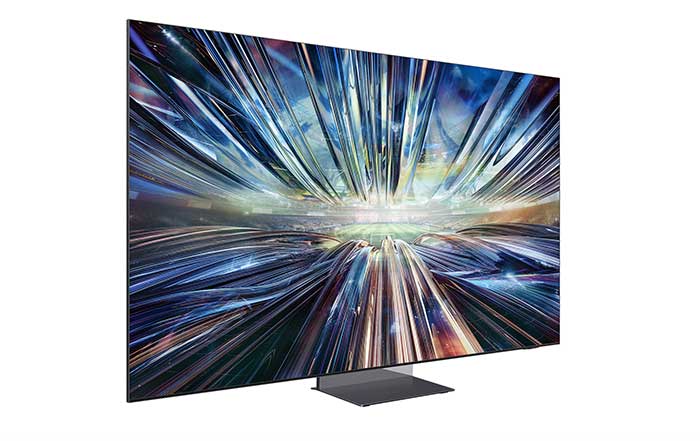
By 2026, Samsung has retained its status as the most visible smart TV brand in the United States, not only because of its extensive product range but because it has successfully repositioned the television as the anchor of a broader home ecosystem. Its premium Neo QLED and OLED lines, supported by mini-LED backlighting, advanced quantum dot technology, and high peak brightness, continue to appeal to viewers who prioritize color accuracy, HDR performance, and visibility in bright American living rooms. At the same time, Samsung's aggressive push into ultra-large screens-sizes of 85 inches and above-has helped define the aspirational standard for home theaters across the U.S., Canada, and Western Europe.
The company's proprietary Tizen OS has matured into a robust, app-rich platform that integrates seamlessly with leading streaming services and live TV aggregators. In 2026, American users expect instant access to Netflix, Disney+, Max, Amazon Prime Video, Peacock, and Apple TV+, and Samsung has focused on ensuring that these services are not only available but optimized through features like advanced HDR tone mapping and automatic game mode switching. The company's AI-powered processors analyze content frame by frame, upscaling lower-resolution streams and adjusting sound profiles in real time, which is particularly attractive to sports fans and movie enthusiasts who want a near-cinematic experience without leaving home. Readers interested in the company's current innovation roadmap can review the latest product and sustainability initiatives on the Samsung global site.
For U.S. consumers and businesses, however, Samsung's significance now extends beyond display technology. The brand has embedded its televisions deeply into the smart home, positioning them as central dashboards for SmartThings-enabled devices, from thermostats and lighting to security cameras and appliances. This strategy aligns with the broader U.S. trend toward integrated home management, where a single interface coordinates multiple functions. At the same time, Samsung's emphasis on energy-efficient panels and solar-powered or USB-C rechargeable remotes reflects growing American concern about sustainability, an area closely followed in usa-update.com's energy coverage. In a market increasingly sensitive to environmental impact, Samsung's eco-packaging, recycled materials, and compliance with Energy Star standards reinforce its image as a brand that combines technological leadership with responsible design.
LG Electronics: OLED Mastery and the Premium Cinema-at-Home Experience
LG Electronics has, by 2026, entrenched its reputation in the United States as the undisputed authority in OLED technology, a position built over more than a decade of sustained investment in self-emissive displays. Its OLED televisions, including the popular C-series and G-series lines, remain a benchmark for black levels, contrast, and color fidelity, making them the preferred choice for American cinephiles, creative professionals, and gamers who want a screen that closely matches professional mastering displays. The ultra-thin form factors and gallery-style designs resonate especially with urban buyers in cities such as New York, Chicago, Los Angeles, London, and Berlin, where interior design and minimalism are key considerations.
LG's webOS interface has evolved into a highly polished, card-based system that offers intuitive navigation and fast access to major streaming platforms, live TV, and cloud gaming services. The company has continued to expand its AI capabilities through AI ThinQ, enabling voice control, personalized recommendations, and deeper integration with smart home devices. For U.S. households balancing hybrid work, remote learning, and entertainment, LG televisions now serve as multi-purpose hubs that can host video conferences, display productivity dashboards, and support fitness and wellness apps. Those seeking a deeper understanding of LG's display and AI strategy can explore the latest developments on the LG Electronics site.
From an E-E-A-T perspective, LG's authority is particularly strong in the professional and enthusiast communities. Film studios, colorists, and game developers often use LG OLED displays as reference monitors, which reinforces the perception among U.S. consumers that these televisions deliver "creator-intended" images. Support for Dolby Vision, Dolby Atmos, NVIDIA G-SYNC, AMD FreeSync, and 4K 120 Hz gaming with low input lag has made LG a default recommendation on many gaming and home cinema forums in North America and Europe. This technical credibility, combined with sustained high rankings in independent reviews from organizations such as Rtings, Consumer Reports, and CNET, has translated into strong consumer confidence and repeat purchases, a trend reflected in the broader consumer market analysis followed by usa-update.com readers.
Sony: Bridging Hollywood, Gaming, and High-End Television
In 2026, Sony occupies a unique and influential position in the U.S. smart TV market, leveraging its dual identity as both a hardware manufacturer and a global entertainment powerhouse. The Sony BRAVIA lineup, spanning OLED and advanced LED models, is distinguished by its focus on cinematic realism, motion handling, and color accuracy that aligns closely with the standards used in professional production environments. For American consumers who care deeply about film and series quality, especially in major streaming markets like the United States, the United Kingdom, Germany, and Japan, Sony's heritage in cameras, professional monitors, and Sony Pictures Entertainment gives the brand a level of authority few competitors can match.
Sony's adoption of Google TV as its primary smart platform has resonated strongly with U.S. users who are already embedded in the Android and Google Assistant ecosystem. The interface provides personalized rows of content recommendations across services, advanced voice search, and tight integration with YouTube, YouTube TV, and Google Play. At the same time, Sony has invested heavily in cognitive processing chips that analyze scenes in real time, enhancing textures, contrast, and sound positioning to create a sense of immersion that appeals to high-end buyers. For detailed insights into Sony's integration of imaging, audio, and entertainment, readers can explore the Sony global website.
The company's relationship with the gaming industry is a decisive differentiator. With PlayStation 5 continuing to be a major force in console gaming across North America, Europe, and Asia, Sony has optimized BRAVIA televisions for features such as 4K 120 Hz, variable refresh rate, auto low-latency mode, and game-specific picture profiles. Marketing campaigns highlighting "Perfect for PlayStation 5" have reinforced the perception that Sony offers a uniquely integrated gaming and viewing experience. This synergy, combined with the company's long-standing emphasis on quality and durability, supports strong consumer trust metrics, especially among tech-savvy buyers who follow detailed performance benchmarks on sites like Digital Trends and The Verge.
🖥️ 2026 U.S. Smart TV Market Guide
Compare Leading Brands, Features & Market Trends
TCL: Scaling Value and Innovation for the Mass Market
TCL has evolved from a perceived budget alternative to a serious mainstream contender in the U.S. smart TV sector by 2026, particularly in the midrange and upper-midrange segments. The brand's strategy of combining attractive pricing with increasingly sophisticated display technologies has resonated strongly with American families, renters, and younger consumers who want large screens and robust streaming capabilities without paying premium-brand prices. Its adoption of QLED panels, mini-LED backlighting, and high refresh rates in select models allows TCL to compete credibly with more established brands on picture performance while maintaining a value-oriented proposition.
In software, TCL has diversified beyond its early reliance on Roku TV, increasingly promoting Google TV and its own refined interfaces in certain markets. This multi-platform approach allows the company to meet different consumer expectations in the United States, Canada, and Europe, where preferences for streaming ecosystems can vary. For many U.S. buyers, TCL televisions offer the essential features-4K resolution, HDR support, and broad app availability-at prices that make frequent upgrades more feasible, especially as new standards like 4K 120 Hz and advanced gaming features become more common. Readers who want to understand TCL's latest U.S. product lineup and distribution strategy can visit the TCL USA website.
From the perspective of usa-update.com's audience, TCL is a case study in how global manufacturing efficiencies and aggressive pricing are reshaping consumer expectations and retail dynamics, themes that intersect with finance and jobs. The brand's close partnerships with major retailers such as Best Buy, Walmart, and Costco have ensured that its televisions are highly visible across the United States, reinforcing a perception of accessibility and reliability. While long-term durability remains a key consideration for some buyers, TCL has steadily improved its warranty support and after-sales service in North America, recognizing that sustained growth requires not only low prices but also credible commitments to customer care.
Hisense: Disruption, Laser TV, and the Battle for Attention
By 2026, Hisense has solidified its role as a disruptive force in the U.S. smart TV market, particularly in the value and performance-per-dollar segments. The company's ULED branding, which combines quantum dot color, advanced local dimming, and high brightness, has become familiar to many American shoppers, especially those looking for large-screen televisions with strong HDR performance at midrange prices. Hisense has also differentiated itself through its pioneering laser TV and ultra-short-throw projector systems, which offer massive image sizes suitable for dedicated media rooms and corporate environments.
In the United States, Hisense has pursued a dual strategy of competitive pricing and visible sponsorships, including partnerships with major sports events such as the FIFA World Cup and various North American leagues. These sponsorships, combined with favorable reviews on technology sites like Tom's Guide, have helped the brand overcome early skepticism and build recognition among mainstream consumers. The company's adoption of Google TV and continued collaboration with Roku in certain models ensures that its televisions provide a familiar and app-rich experience to U.S. households already accustomed to these ecosystems.
From an E-E-A-T standpoint, Hisense is still in the process of consolidating its reputation in North America and Europe, but its rapid technological progress and willingness to experiment with form factors position it as a brand to watch. For readers of usa-update.com tracking international business dynamics, Hisense illustrates how Chinese manufacturers are moving up the value chain, challenging incumbents not only on price but increasingly on innovation, feature sets, and design.
Vizio: American Branding, Local Insight, and Advertising-Driven Models
Vizio, headquartered in California, remains a distinctive presence in the U.S. smart TV landscape in 2026, combining American branding with global manufacturing partnerships. Its positioning is built on delivering solid performance at approachable prices while maintaining an understanding of U.S. viewing habits and advertising markets. Vizio's SmartCast platform has matured into a stable and widely compatible system that supports Netflix, Hulu, Disney+, YouTube TV, and other leading services, while offering built-in support for Apple AirPlay, Google Chromecast, and voice assistants such as Amazon Alexa and Google Assistant.
One of Vizio's defining characteristics in recent years has been its pivot toward an advertising and data-driven business model, where the television becomes a gateway for targeted ads and audience measurement. This approach reflects broader trends in the U.S. media industry, where connected TV advertising is one of the fastest-growing segments. For American consumers, the trade-off involves receiving competitively priced hardware in exchange for accepting a degree of data collection and ad exposure, a balance that has drawn attention from regulators and privacy advocates. Readers interested in the policy implications of such models can follow developments in usa-update.com's regulation and news sections.
Despite occasional criticism over software stability and data practices, Vizio continues to benefit from its domestic roots and familiarity with U.S. retail channels. The company's presence in big-box stores, combined with recurring recognition in value-focused buying guides from outlets such as Consumer Reports, has allowed it to maintain a strong foothold in American households. Its story underscores how a brand can leverage local market knowledge, advertising partnerships, and competitive pricing to remain relevant in an industry dominated by multinational giants.
The Streaming-Centric Living Room: Content as the Primary Driver
The modern U.S. smart TV market cannot be understood without recognizing the central role of streaming platforms, which have become the primary content source for a majority of American households. By 2026, services such as Netflix, Disney+, Max, Amazon Prime Video, Apple TV+, Hulu, and Peacock have not only replaced traditional cable subscriptions for many viewers but have also reshaped how televisions are designed and marketed. Smart TV brands now compete to demonstrate which models can deliver the smoothest, highest-quality experience for streaming, including support for Dolby Vision, HDR10+, and immersive audio formats.
This streaming-centric environment has also led to the rise of FAST (free ad-supported streaming television) channels and integrated live TV hubs, where services like Pluto TV, Tubi, and The Roku Channel are pre-installed and prominently featured. For cost-conscious U.S. consumers, particularly younger viewers and households in regions where subscription fatigue is rising, these free services make smart TVs even more essential as gateways to entertainment. Industry analyses from sources such as Variety and Statista show that ad-supported tiers and free channels are gaining significant traction, influencing how brands prioritize interface design and content partnerships.
For usa-update.com readers focused on entertainment industry developments and business strategy, the smart TV is now a key node in a complex revenue ecosystem where subscription fees, in-app purchases, targeted advertising, and data licensing intersect. The brands that can balance user experience, content diversity, and responsible data practices are best positioned to maintain long-term trust in an increasingly crowded and competitive market.
Regulation, Privacy, and Data Governance in the Smart TV Era
As smart TVs have become more capable, their role as data-collecting devices has drawn heightened scrutiny from U.S. regulators, consumer advocates, and international authorities. Televisions now routinely gather information about viewing habits, app usage, voice commands, and even device identifiers, all of which can be used to personalize content recommendations and target advertising. In response, institutions such as the Federal Trade Commission (FTC) have taken a more active stance on enforcing transparency and consent requirements, particularly following high-profile cases where smart TV manufacturers were accused of collecting data without adequate disclosure. Readers can consult the FTC's official site for updates on enforcement actions and consumer guidance.
In parallel, the influence of global privacy regimes such as the European Union's General Data Protection Regulation (GDPR) and state-level laws in the United States, including the California Consumer Privacy Act (CCPA) and its subsequent amendments, has forced smart TV brands to adopt more standardized and robust privacy controls across markets. Companies now emphasize clearer on-screen privacy prompts, more granular settings for data collection, and improved access to privacy dashboards where users can review and delete stored data. These measures are not only legal obligations but also essential components of building trust among increasingly privacy-conscious U.S. consumers.
For readers of usa-update.com monitoring the intersection of technology, regulation, and consumer rights, smart TVs have become emblematic of the broader debate over connected devices and surveillance capitalism. The sector illustrates how regulatory frameworks, corporate self-regulation, and consumer expectations interact to shape product design and business models, with implications that extend well beyond the living room.
Smart TVs, Employment, and the Broader Economic Footprint
The impact of the smart TV industry on the U.S. economy extends far beyond the factories where panels and components are manufactured, many of which are located in South Korea, China, Vietnam, and other parts of Asia. In the United States, thousands of jobs are supported through retail distribution, logistics, repair services, software development, content creation, and advertising. Major retailers rely on televisions as anchor products that drive store traffic and online sales, while streaming platforms depend on the installed base of smart TVs to grow subscription and advertising revenues.
American-based entities such as Vizio, as well as U.S. branches of Samsung, LG, Sony, TCL, and Hisense, maintain offices focused on sales, marketing, customer support, and research. These roles contribute to local employment in states like California, New Jersey, Texas, and New York. In addition, the rise of smart TVs has stimulated demand for related services, including broadband internet, home networking equipment, and professional installation, generating secondary employment effects across the technology and services sectors. For a broader view of how consumer electronics feed into labor markets and income trends, readers can explore usa-update.com's employment analysis and jobs coverage.
From a macroeconomic perspective, the smart TV market intersects with issues such as global supply chain resilience, semiconductor availability, and trade policy. The disruptions of the early 2020s prompted many brands to diversify suppliers and consider more regionally balanced manufacturing strategies, a trend that continues to influence pricing and product availability in 2026. For businesses and policymakers tracking these developments, the smart TV is a tangible example of how globalized production networks and consumer demand in the United States interact to shape both domestic and international economic outcomes.
Gaming, Cloud Services, and the New Interactive Television Standard
By 2026, gaming has become a central use case for smart TVs, particularly among younger demographics in the United States, Canada, Europe, and Asia-Pacific markets such as South Korea and Japan. The widespread adoption of consoles like PlayStation 5 and Xbox Series X|S, along with the growth of PC gaming and cloud-based platforms, has led consumers to view televisions as performance displays rather than passive screens. Features such as 4K 120 Hz refresh rates, variable refresh rate (VRR), auto low-latency mode (ALLM), and HDMI 2.1 connectivity are now expected in midrange and premium models from Samsung, LG, Sony, TCL, and Hisense.
At the same time, cloud gaming services have gained traction, allowing users to stream games directly to their televisions without dedicated consoles or PCs. Partnerships between television manufacturers and platforms like NVIDIA GeForce NOW, Xbox Cloud Gaming, and regional cloud services in Europe and Asia have expanded the range of interactive experiences available through smart TVs. This shift aligns with broader trends toward device-agnostic computing, where the television becomes one of several access points to powerful remote servers. For detailed reporting on how gaming and television converge, readers can consult specialized technology outlets such as IGN and PCMag.
For usa-update.com's audience, the integration of gaming into the smart TV experience underscores the importance of cross-sector innovation and the blurring of boundaries between hardware, software, and services. It also highlights the role of televisions in shaping household bandwidth requirements, home networking investments, and even real estate decisions, as dedicated gaming and media rooms become more common in new U.S. housing developments.
Sustainability, Energy Efficiency, and Responsible Consumption
Sustainability has moved from a niche concern to a mainstream purchasing criterion in the U.S. smart TV market by 2026, particularly among younger consumers and environmentally conscious households. Brands such as Samsung, LG, and Sony have responded by emphasizing energy-efficient panels, eco-friendly packaging, and the use of recycled materials in product casings and stands. Compliance with Energy Star guidelines and similar standards in Canada, the European Union, and other regions has become a baseline expectation, and many companies now publish detailed environmental impact reports on their corporate websites.
In addition to hardware design, manufacturers are exploring longer product lifecycles through extended software support and modular components, recognizing that reducing e-waste is a critical part of sustainable business practice. Initiatives such as Samsung's solar-powered remote controls, LG's focus on power-efficient OLED technologies, and Sony's efforts to reduce plastic usage in packaging illustrate how sustainability is increasingly integrated into product roadmaps rather than treated as an afterthought. Those interested in the intersection of energy policy, consumer behavior, and technology can explore usa-update.com's dedicated energy section and broader economy coverage.
For American consumers, energy-efficient televisions offer dual benefits: lower electricity bills and alignment with personal and national climate goals. This combination of economic and ethical incentives reinforces the importance of transparent labeling and third-party verification, areas where organizations like the U.S. Department of Energy and Environmental Protection Agency play a significant role. As sustainability continues to shape brand perception, companies that can demonstrate credible, measurable progress are likely to enjoy a competitive advantage in the U.S. and other advanced markets.
Smart TVs as the Command Center of the Connected Home
In 2026, the smart TV's role as the central interface for the connected home is more apparent than ever. Televisions from Samsung, LG, Sony, TCL, Hisense, and Vizio increasingly function as visual dashboards for smart lighting, climate control, security systems, and connected appliances. Integration with voice assistants such as Amazon Alexa, Google Assistant, and Apple Siri allows users to control home devices using voice commands or on-screen menus, further blurring the line between entertainment and home management.
This trend is particularly pronounced in the United States, Canada, and Western Europe, where adoption of smart thermostats, smart locks, video doorbells, and connected kitchen appliances has accelerated. For many households, the television is the most visible and frequently used screen in the home, making it a natural hub for monitoring and controlling these devices. Brands that offer seamless interoperability with popular smart home standards, including Matter and Thread, are better positioned to serve consumers who want a unified and future-proof setup. For ongoing coverage of smart home and IoT developments, readers can explore usa-update.com's technology reporting.
From a business perspective, the convergence of smart TVs and home automation creates new opportunities for cross-selling, subscription services, and data-driven personalization. At the same time, it raises complex questions about security, interoperability, and long-term support, all of which are central to maintaining user trust in an era where a compromised television could theoretically provide access to other sensitive devices and systems in the home.
Looking Ahead: Strategic Implications for U.S. Consumers and Businesses
As of 2026, the U.S. smart TV market reflects a mature yet still rapidly innovating sector where global brands compete fiercely for attention, loyalty, and data. Samsung continues to leverage its scale and ecosystem strength, LG Electronics leads in OLED and cinematic fidelity, Sony unites Hollywood, gaming, and high-end display expertise, TCL and Hisense push the boundaries of value and disruptive innovation, and Vizio capitalizes on American branding and advertising-driven models. Each brand's trajectory offers insights into how Experience, Expertise, Authoritativeness, and Trustworthiness translate into real-world consumer decisions and long-term brand equity.
For readers of usa-update.com, the smart TV is more than a household appliance; it is a barometer of broader economic, regulatory, technological, and cultural currents that shape daily life in the United States and across North America, Europe, Asia, and other key regions. Whether one is following breaking news, tracking international developments, evaluating business strategies, or planning lifestyle and entertainment choices, the screen in the living room has become a central interface through which these realities are experienced and understood.
As the industry moves forward, the most successful smart TV brands will be those that combine technical excellence with transparent data practices, robust security, environmental responsibility, and genuine responsiveness to consumer needs. In doing so, they will not only secure their place in American homes but also shape how the next generation of connected devices, services, and digital experiences evolves around the world.
